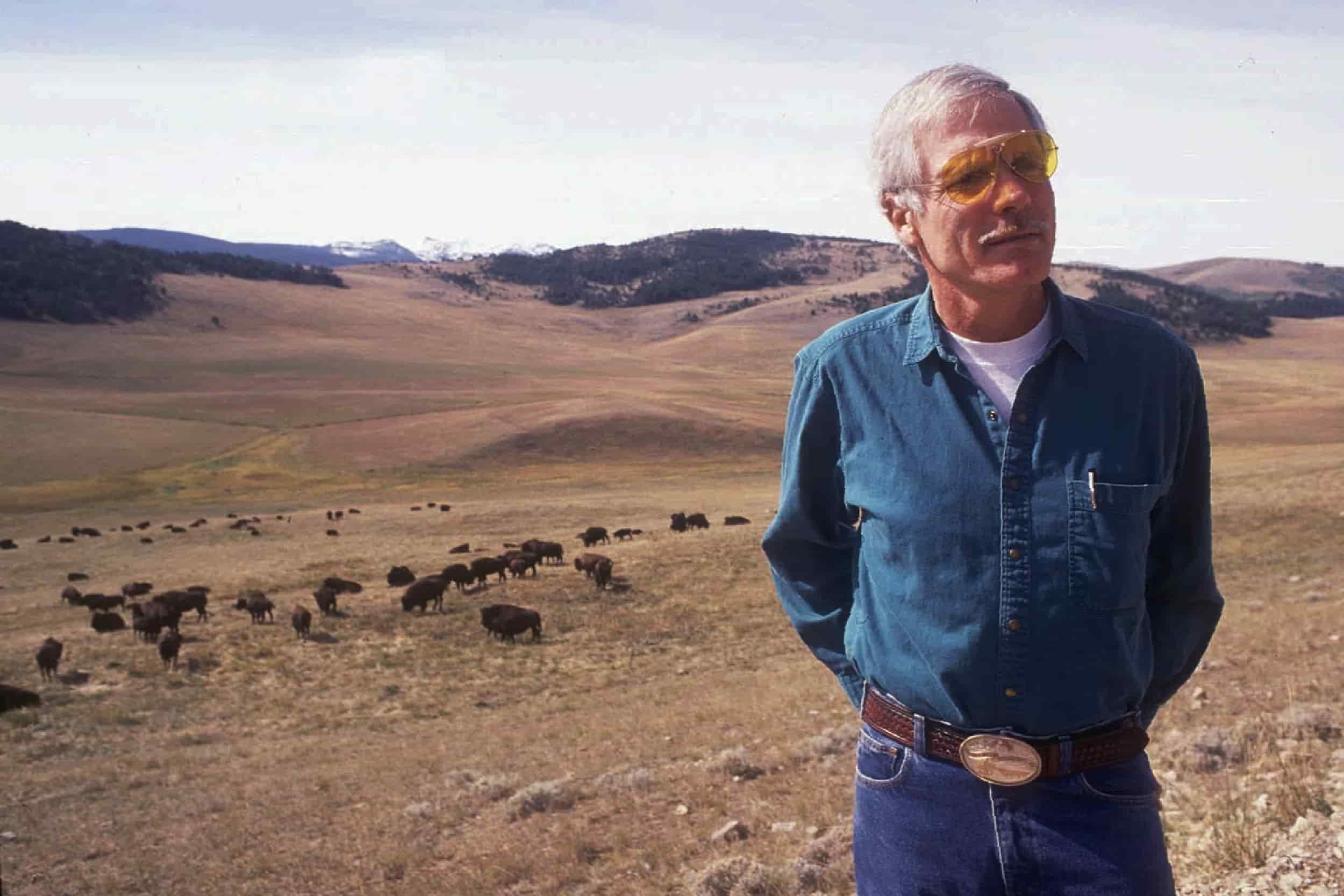
Volume 45, No. 1, Summer 2026
At its best, the American conservation tradition aligns the interests of private landowners, ranchers, hunters, and locals generally with the lands, waters, and wildlife they depend on. This issue, published as the nation marks its 250th year, traces that tradition across two centuries and a continent: from its philosophical roots in the founding era, through the recovery of species that have come to symbolize the country, to the market innovations that have quietly conserved millions of acres. What links these stories is a distinctly American approach: not preservation through prohibition, but conservation through private ownership, voluntary participation, and aligned incentives.

IN THIS ISSUE
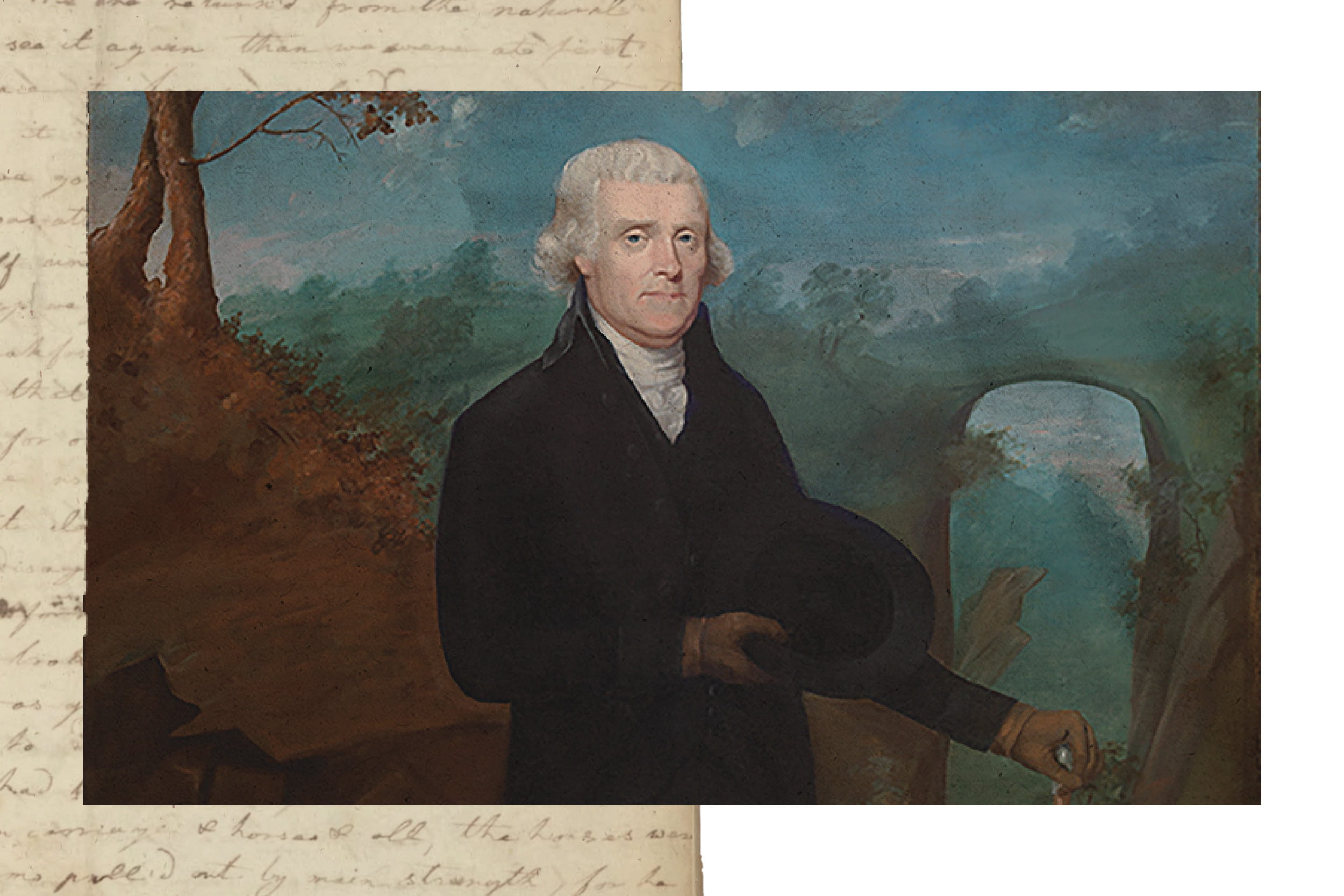
Thomas Jefferson: The Lost Founding Father of American Conservation
Two years before he authored the Declaration of Independence, Thomas Jefferson set out to conserve Virginia’s Natural Bridge—and pioneered a uniquely American model of voluntary stewardship
Read more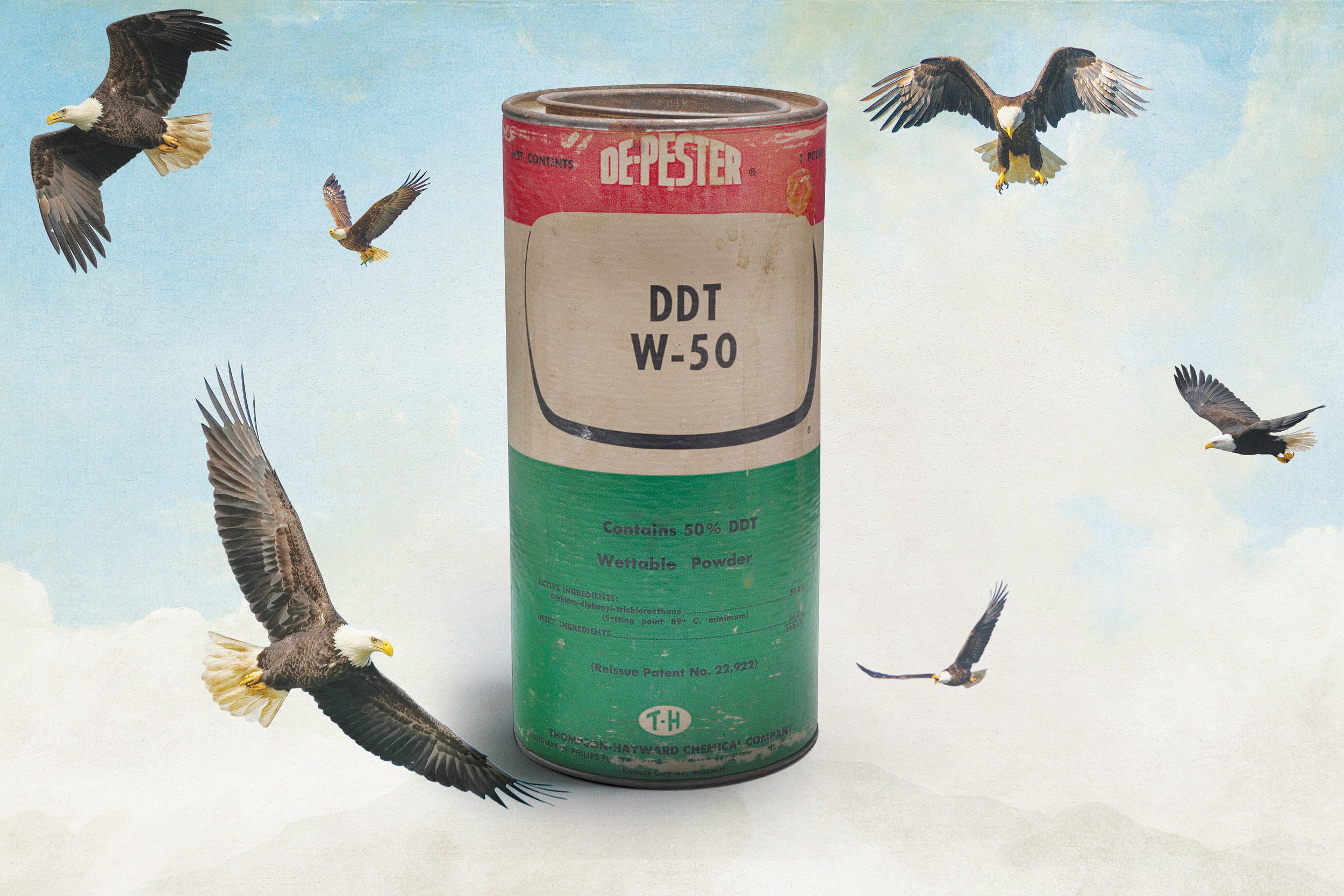
How the Eagle Came Back
At America’s 250th, the bald eagle is more abundant than at any time in living memory. The standard story of recovery needs a rewrite
Read more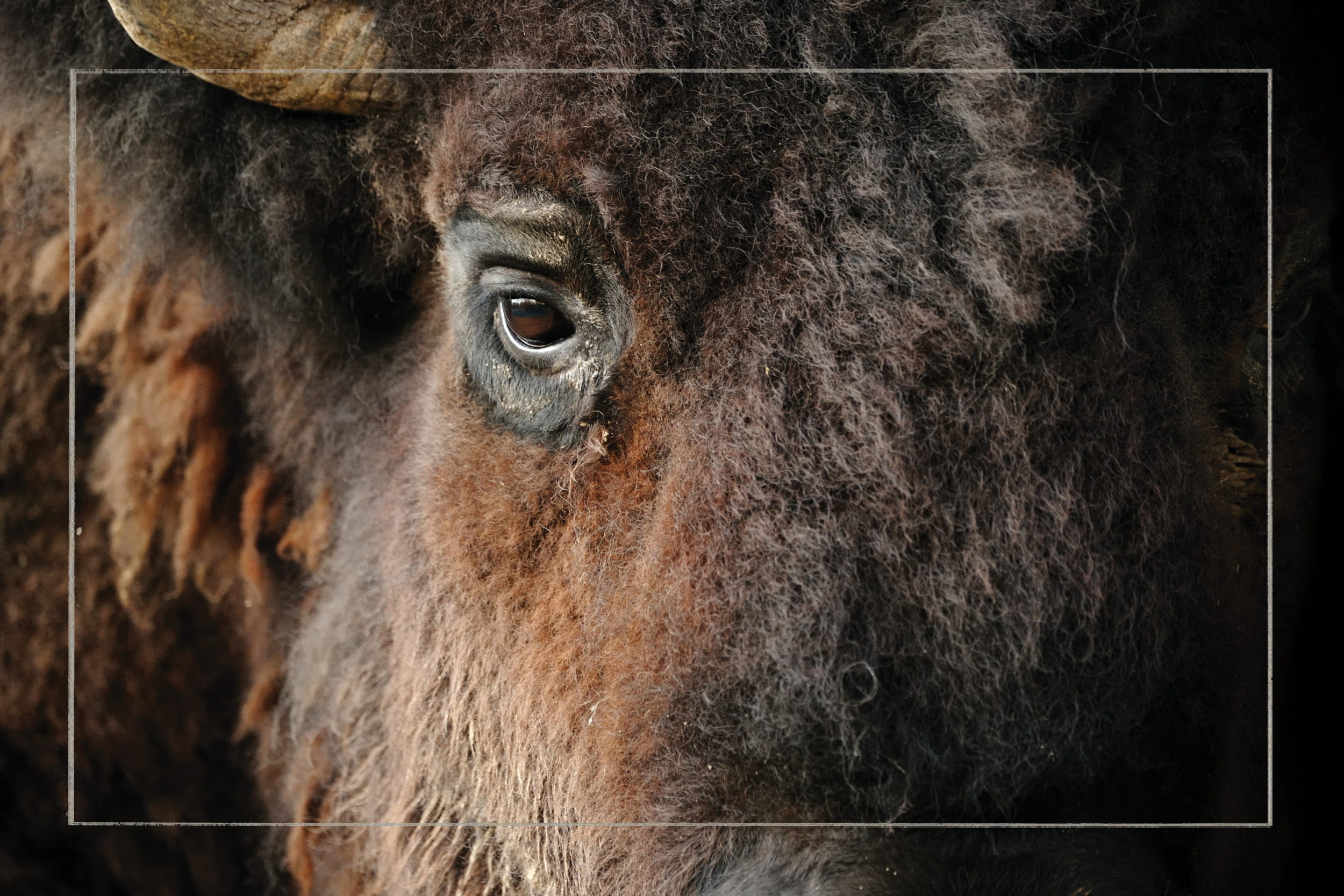
What the Bison Carries
Ten years after the bison became America's national mammal, its complex legacy is still being written
Read more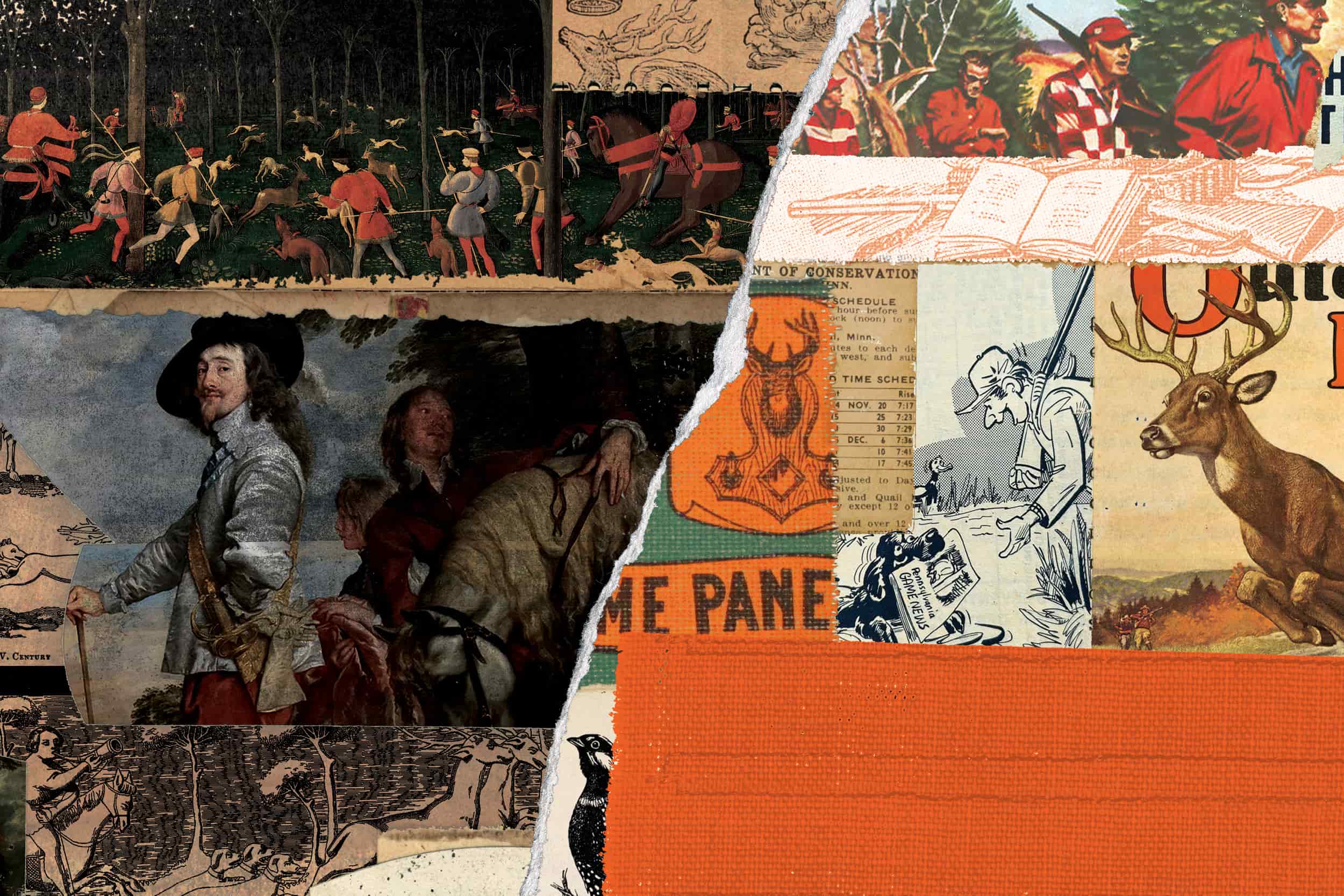
From the King’s Deer to the People’s Wildlife
America’s break from royal game laws created broad access to fish and game, but its lasting achievement was a system where users pay to conserve them
Read more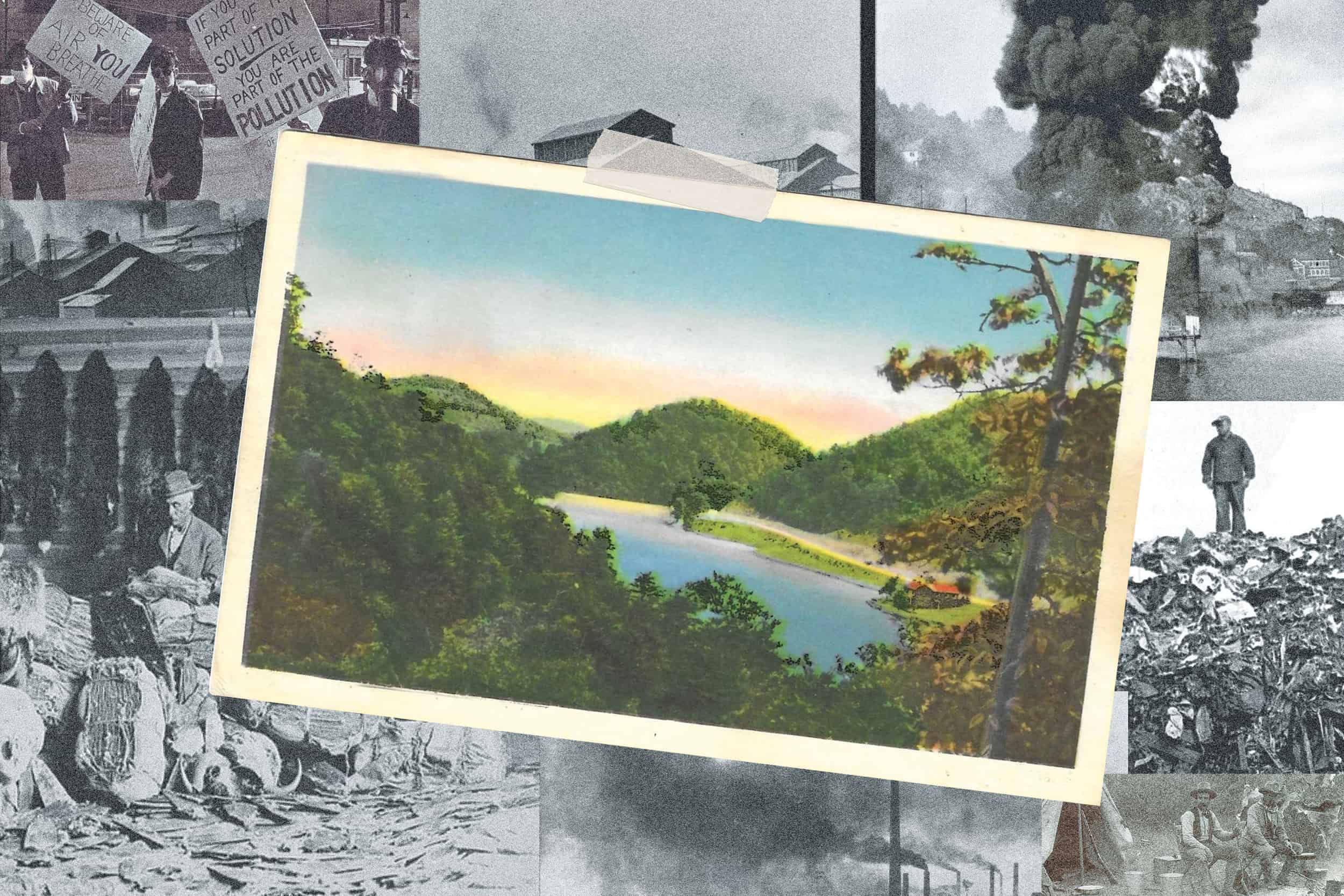
Conservation the American Way
How property rights, incentives, and the rule of law rescued our wildlife, cleaned our rivers, and cleared our skies
Read more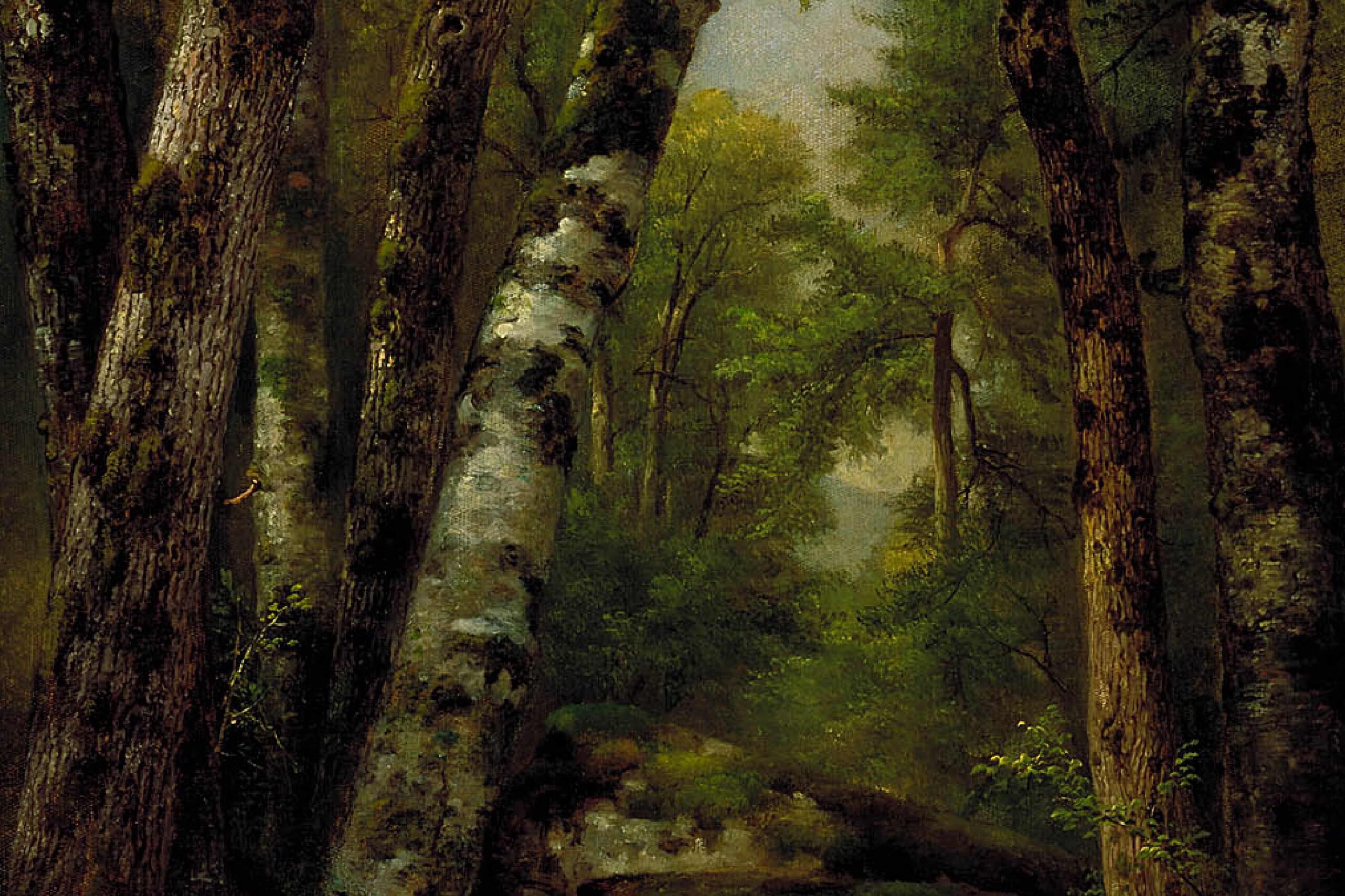
PERC Reports, Summer 2026
At its best, the American conservation tradition has aligned the interests of private landowners, ranchers, hunters, and locals with the lands, waters, and wildlife they depend on
Read more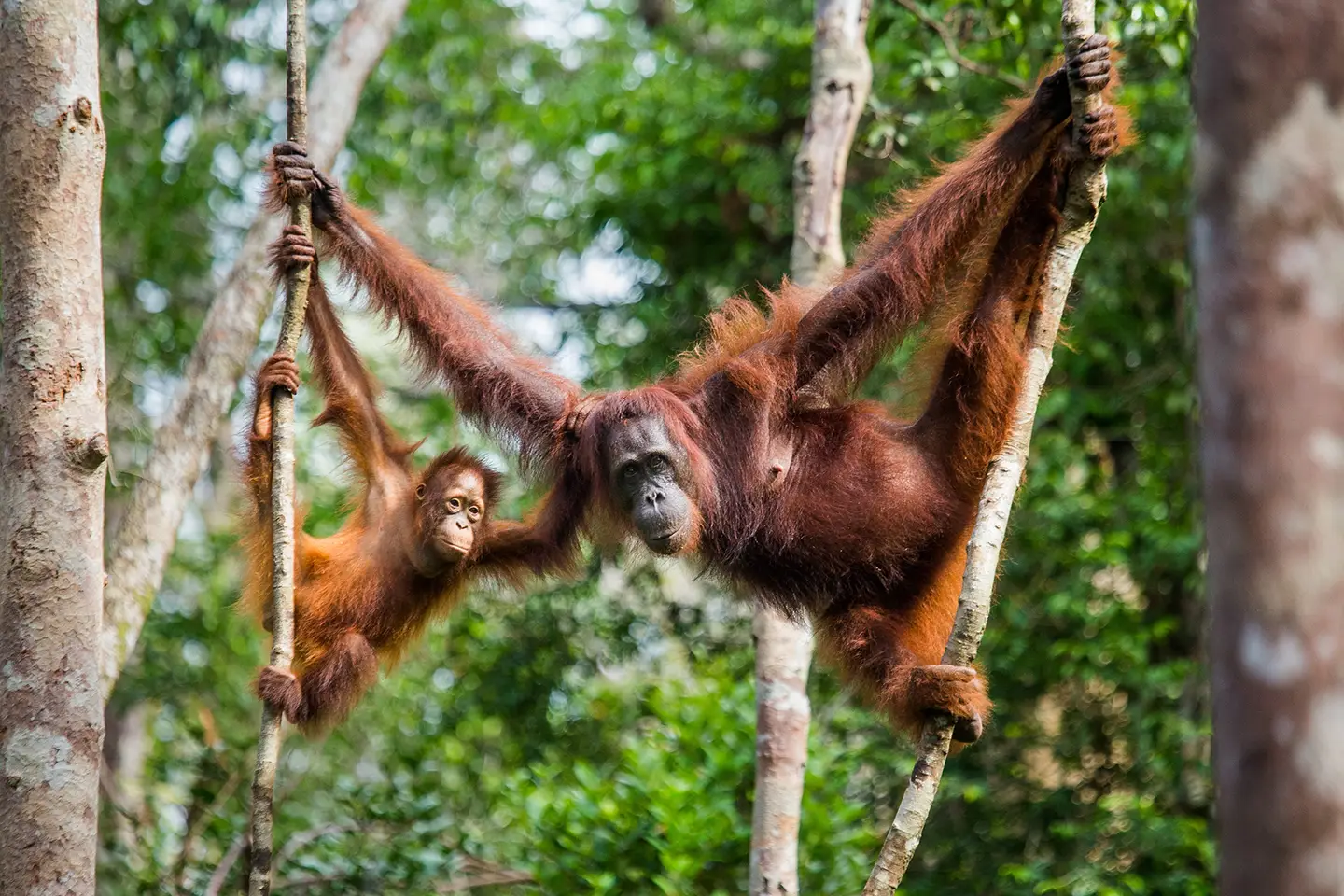
America’s Landscape of Liberty
How America’s wild places shaped our national character—and why conserving them still matters
Read more