
Skip to content

About PERC

All Areas of Focus

All Research

Donate

PERC Reports

Our FREE twice-annual magazine

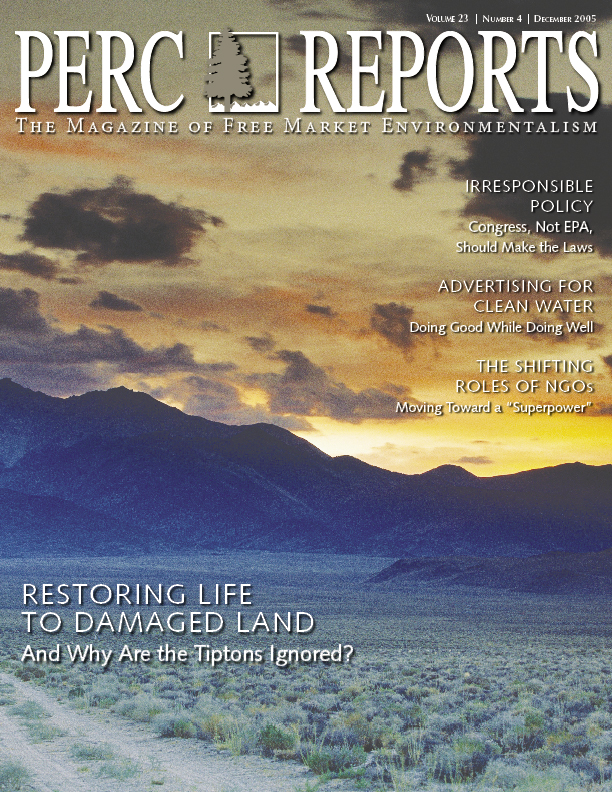
Volume 23, No.4, Winter 2005

Cover Image -

IN THIS ISSUE

Your Pants Are Made of What?

What is the world coming to when Diane Von Furstenberg, Halston, and Oscar de la Renta are using materials made from wood pulp, bamboo, corn fiber, and Japanese leaves that contain anti-allergens. Clothing derived from these strange sources was assembled into “eco-outfits” and featured in the windows of Barneys New York, a high-end specialty storeContinue reading "Open Access:"

Read more

A Cautionary Tale

Over the last decade, the precautionary principle –“better safe than sorry”– often has been invoked to justify government regulatory action. According to advocates of this principle, we must protect ourselves from potential environmental threats –such as greenhouse gases, nuclear power, or arsenic in drinking water– even if we are not sure exactly what will beContinue reading "Open Access:"

Read more

Open Access:

Those who know me will not be surprised by the topic of this column, given that hunting season is in full swing. Why I have such a passion for hunting was captured beautifully by Jon Christensen, a visiting PERC journalist fellow, who spent a chilly evening with me listening to five or six big bullContinue reading "Open Access:"

Read more

Letters to the Editor

Don’t Forget History I am a long-time subscriber to PERC Reports and enjoy reading each issue. But I object to the premise implied in “Betting on the Wealth of Nature” by David McClintick and Ross Emmett (September 2005) regarding natural resource prices and availability. The Simon-Ehrlich wager was based on metals that have long beenContinue reading "Letters to the Editor"

Read more

Irresponsible Environmental Policy

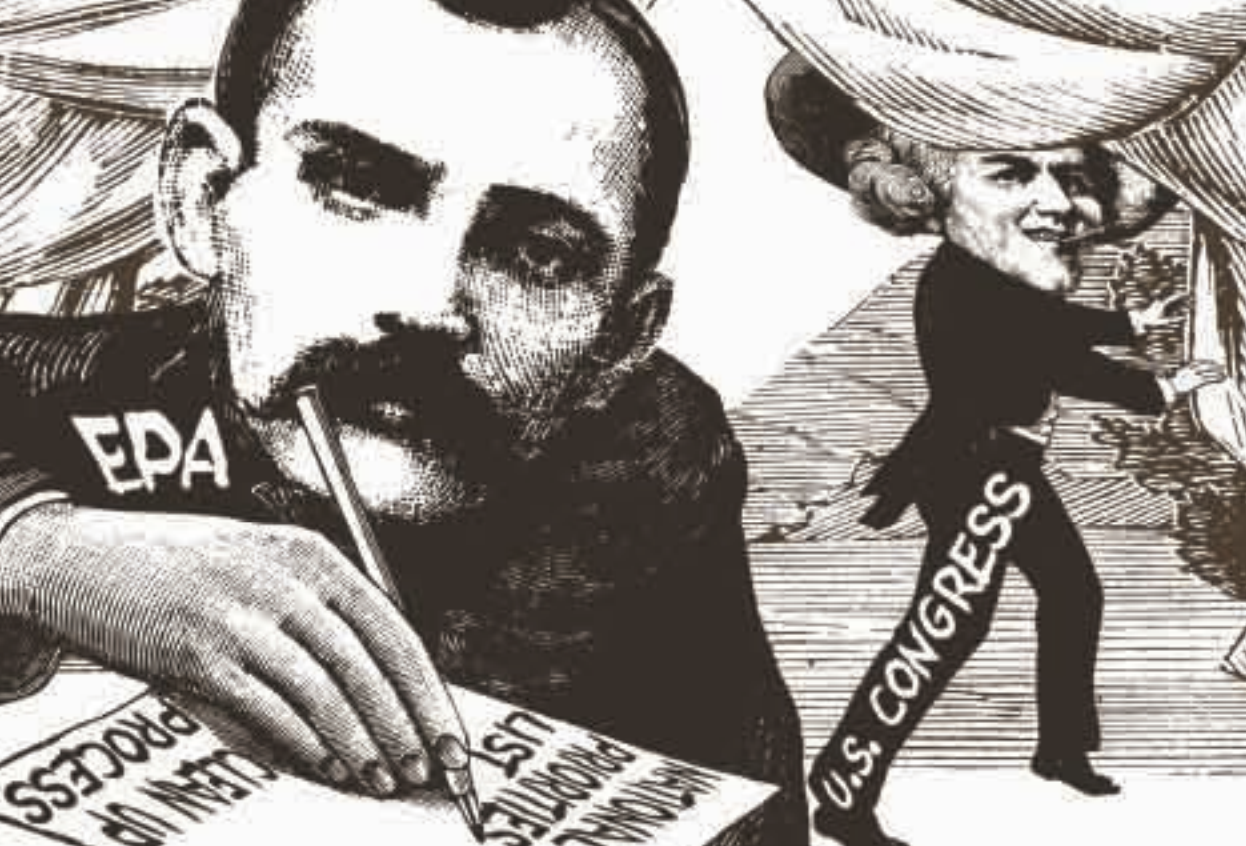
  Although Congress enacts all federal environmental statutes, these statutes leave the making of most federal environmental laws –commonly known as regulations– to the Environmental Protection Agency. The difference between Congress making laws (as the U.S. Constitution instructs it to do) and leaving that job to the EPA is a critical one. If Congress votedContinue reading "Open Access:"

Read more

Advertising for Clean Water

By Carol Ferrie Every year, corporations spend about $150 billion on advertising, says Paul Polizzotto, but very little of it goes to improve quality of life. Polizzotto — surfer, businessman, and environmentalist– has figured out a way to harness some of those advertising dollars through the Adopt-A-Waterway program. "You don’t have to take the oathContinue reading "Advertising for Clean Water"

Read more

Wreaking Environmental Harm

  While many farmers are conscientious stewards of the environment, the incentives of U.S. agricultural policies can lead to practices that damage the environment. Agricultural price supports and trade barriers stimulate production on marginal land, leading to overuse of pesticides, fertilizers, and other effluents. A central if unstated purpose of U.S. farm policy is toContinue reading "Open Access:"

Read more

The Shifting Roles of NGOs

  Nongovernmental organizations (NGOs) used to be gadflies and outsiders challenging businesses and governments (think Greenpeace and Public Citizen, for example). Today, however, NGOs are moving in new directions. Some, for example, are acting increasingly like government agencies, issuing a new generation of de facto regulations in the form of standards, guidelines, and certifications. OthersContinue reading "Open Access:"

Read more
Chili Power

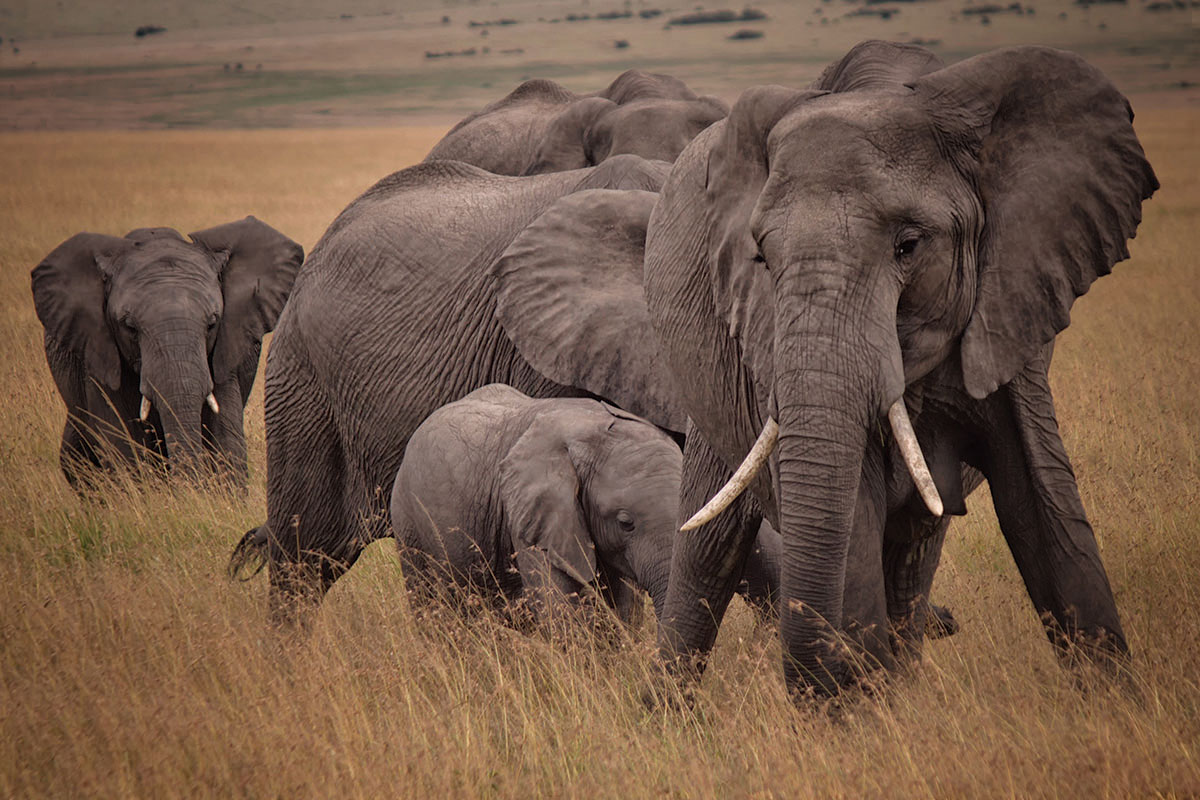
African elephants are not only majestic animals, but also cropraiding nuisances, endangering human lives and livelihoods. Conservation groups have determined that in order to protect elephants it is necessary to protect the people who are sharing the land with them. It is a complex situation that in some areas has been solved by the simpleContinue reading "Open Access:"

Read more