BOZEMAN, Mont. — Montana faces growing pressure on its rivers, streams, and aquifers. A new report from the Property and Environment Research Center (PERC) offers a practical roadmap for helping the state make more of its limited water resources through stronger property rights, voluntary exchange, and modern technology.
Modernizing Montana Water Policy: A Practical Reform Agenda for Unlocking Montana’s Water Markets, authored by PERC research associate Conner Harwood, examines barriers that prevent water from moving to where it is most valued—and proposes reforms that can better serve Montana’s agricultural, environmental, residential, and economic needs.
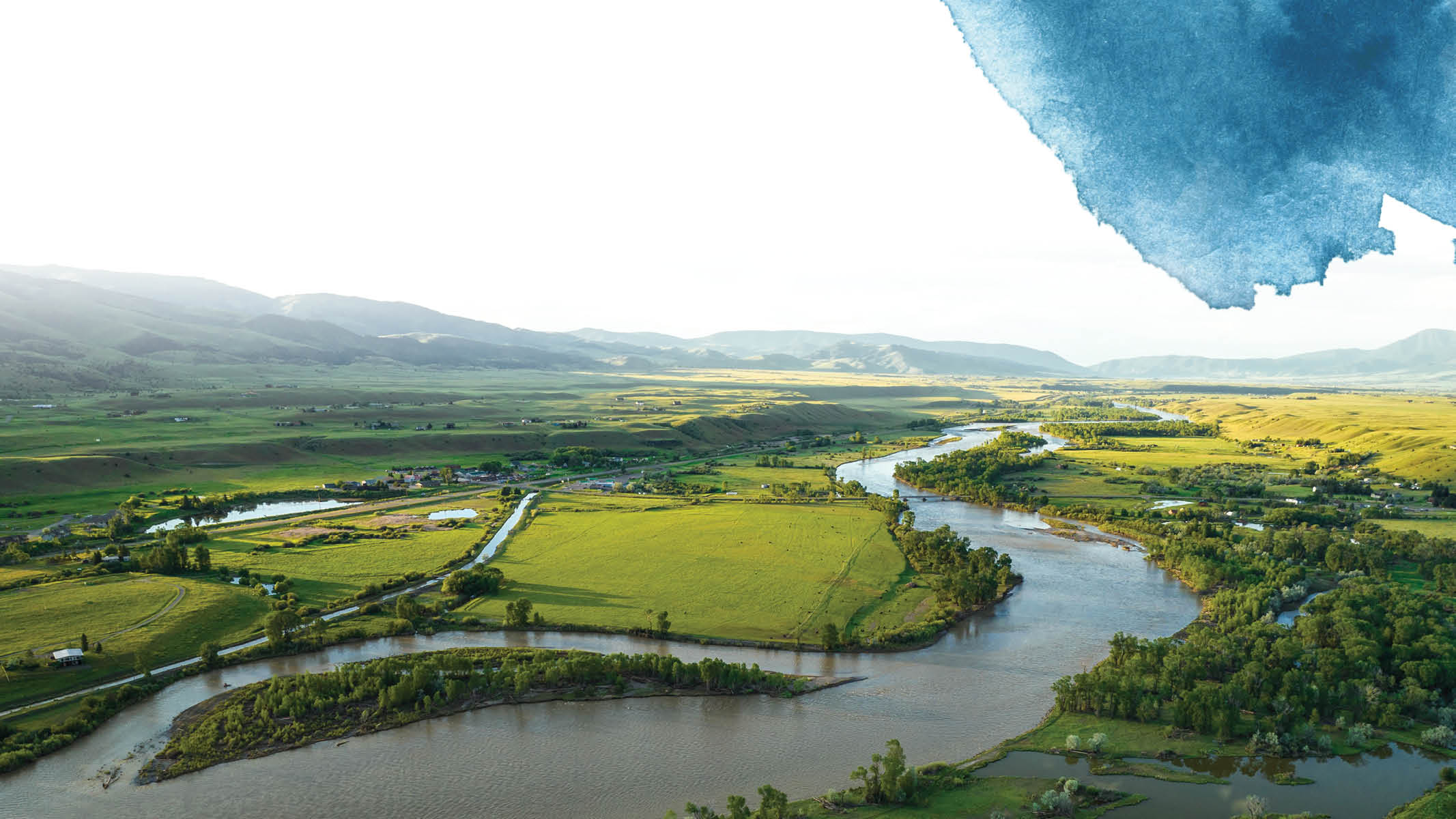
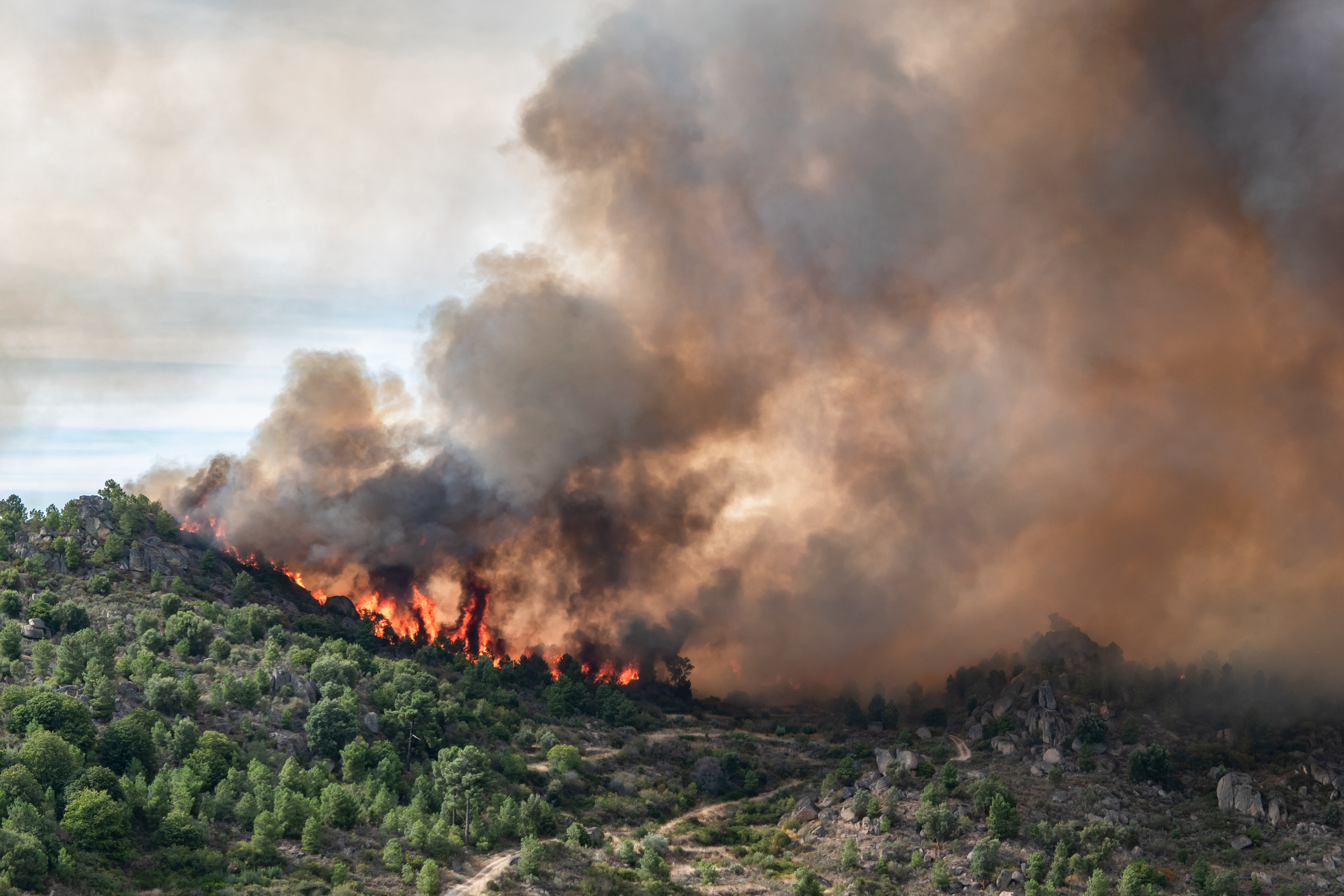
Montana’s water supports more than 2.15 million acres of irrigated land and a fishing sector worth $1.5 billion annually. But declining snowpack, earlier runoff, drought, and growing demand are putting increasing pressure on supplies.
“Montana doesn’t need to reinvent its water management to meet the challenges ahead,” said Harwood. “By strengthening water rights and making voluntary exchange easier, we can give farmers, communities, conservationists, and other water users more tools to adapt to scarcity and find cooperative solutions.”
The report identifies four priorities for reform:
- Finish adjudicating and strengthen enforcement of Montana’s water rights: As of April 2026, final decrees had been issued in just 18 of the state’s 85 basins. PERC recommends completing adjudication, establishing a permanent water court, and creating a clearer system for enforcing water rights during shortages.
- Make it easier to put water back into streams: Montana has more than 4,500 miles of chronically or periodically dewatered streams. Reducing barriers to voluntary water leasing could help willing water-right holders and conservation groups restore flows while respecting existing rights.
- Create market-based alternatives to exempt wells: More than 140,000 exempt wells have been drilled statewide, at least half in basins closed to new water rights. The report proposes mitigation banks and other market mechanisms to accommodate growth while protecting existing users.
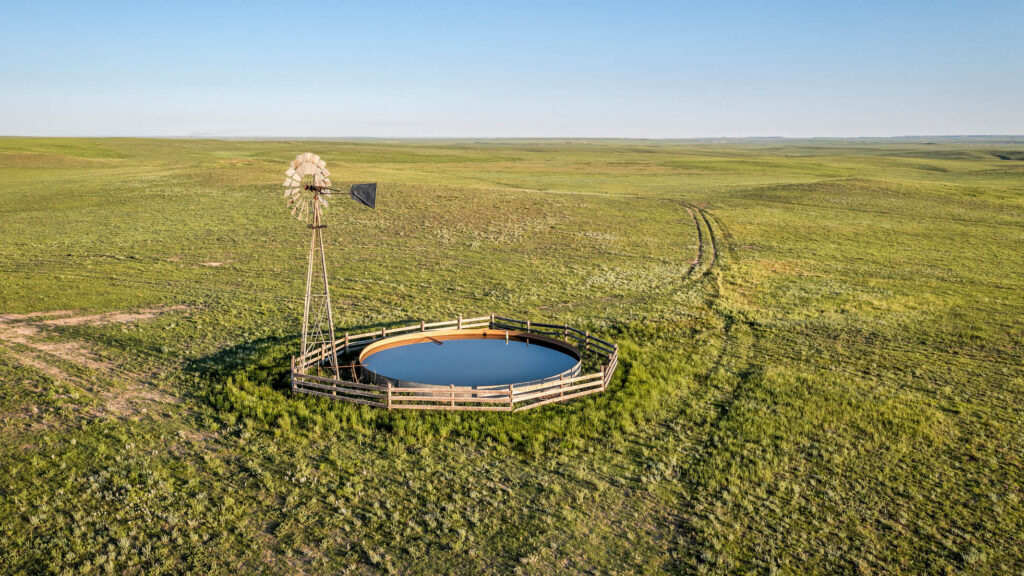
- Bring water measurement into the 21st century: Satellite-based technology such as OpenET could provide more accurate, field-level estimates of water consumption, lowering barriers to water transfers and giving users and regulators better information.
Taken together, these reforms aim to make Montana’s existing prior-appropriation system more flexible and effective as water supplies become increasingly strained, allowing voluntary cooperation to play a larger role in balancing agricultural, environmental, municipal, and industrial needs.