Washington, D.C. — A coalition of sportsmen’s and other conservation organizations today celebrated the U.S. Fish and Wildlife Service’s proposed rule for grizzly bear management, calling the bear’s recovery one of the most significant wildlife recovery achievements in the history of the Endangered Species Act (ESA) and the Service’s proposal a model for adjusting policy as conservation progresses.
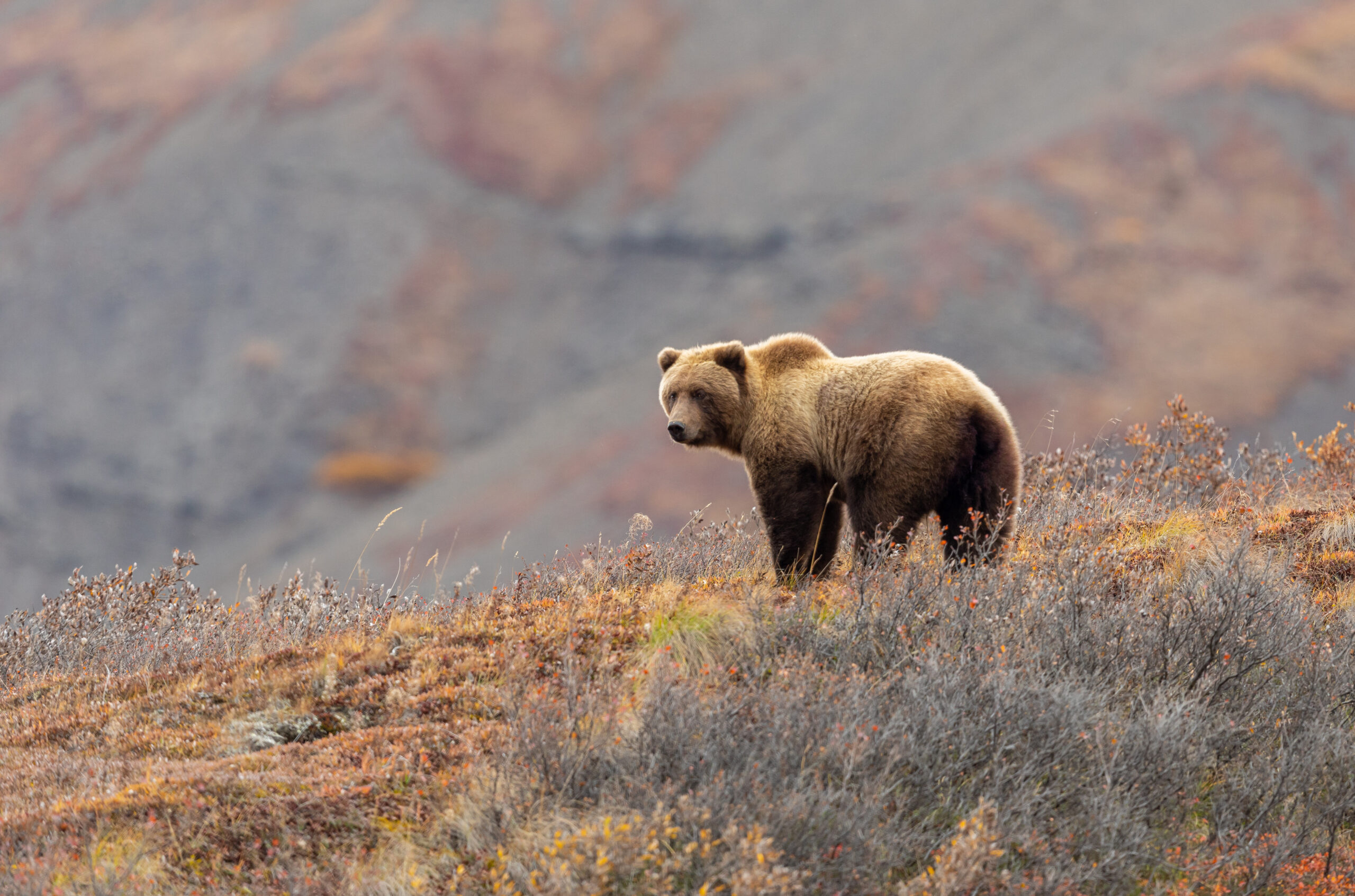
The proposal recognizes the extraordinary recovery of the grizzly bear, including in the Greater Yellowstone area, where bears have grown from 136 animals in 1975 to more than 1,000 today—a success built through five decades of cooperation by states, landowners, sportsmen, and conservation groups. Under the proposed rule, states are provided a path to managing areas that exceed local recovery objectives while the grizzly remains federally listed.
The coalition of conservation organizations, including the Property and Environment Research Center (PERC), Rocky Mountain Elk Foundation, Wyoming Wildlife Federation, and Boone & Crockett Club, submitted a public comment in May 2025, proposing a tiered approach that authorizes state management as areas meet recovery objectives.
The conservation groups view this not only as a milestone for grizzly bears but as proof of concept for how the ESA can incentivize recovery. As bear populations expand their range, increased conflicts detract from public support for recovery. Addressing those conflicts helps encourage that support. A more gradual transition to state management also enables states to earn the trust of landowners and the conservation community. Under this proposal, the federal government and states could adapt management to on-the-ground conservation needs and clear the way for continued progress. To date, no state that has taken management of a recovered species has dropped the ball and required the federal government to step in again to resume managing a species.
What coalition partners are saying
“For fifty years, states and landowners invested in grizzly recovery without any regulatory recognition of what they’d built. This proposal changes that and gives them reason to keep going.” — Jonathan Wood, Vice President of Law and Policy, Property and Environment Research Center (PERC)
“Grizzly populations have grown steadily for decades, exceeding ESA recovery goals, yet state wildlife agencies and affected landowners have been handcuffed with very limited management options,” said RMEF President and CEO Kyle Weaver. “We agree with biologists that grizzlies met and exceeded recovery goals years ago and should be delisted. This proposal allows state wildlife agencies and private landowners to effectively manage the impacts of grizzlies as populations continue to swell and expand.”
“This rule recognizes a conservation victory under ESA and provides for continued conservation under state management. It advances grizzly conservation from the now-resolved problem of too few bears to the now-emerging realities of abundant bears. The predictable and misleading criticism of this will be that bears are losing protection. The accurate view is that bears and people are gaining the benefits of sustainable management.” Simon Roosevelt, Executive Vice President of Conservation, Research, and Policy, Boone and Crockett Club
“Grizzly bear recovery has reached the constructive point where management, not just protection, must lead the next chapter. This step recognizes the decades of work that have delivered significant success, while making clear that continued progress depends on active, state-led management. It is not an endpoint, but a transition. A milestone and a call to action, setting the stage for states to take on greater responsibility. It is up to us to ensure they rise to the occasion. This is a win worth celebrating.” – Jess Johnson, Government Affairs Director, Wyoming Wildlife Federation (WWF)
About PERC
The Property and Environment Research Center (PERC) is the national leader in market solutions for conservation, with over 40 years of research and a network of respected scholars and practitioners. Through research, law and policy, and innovative applied conservation programs, PERC explores how aligning incentives for environmental stewardship produces sustainable outcomes for land, water, and wildlife. Founded in 1980, PERC is nonprofit, nonpartisan, and proudly based in Bozeman, Montana.
About RMEF
Now in its fifth decade of Conserving America’s Big Game,™ RMEF will extend its impact on habitat and public land access to 10 million acres by 2030. RMEF conserves and enhances habitat for elk and a variety of big game, opens and improves access for hunting and other outdoor recreation, conducts science-based wildlife research and ensures the future of our hunting heritage through advocacy, outreach and education. Members, volunteers and supporters nationwide help RMEF further its mission. Find out more and join the movement at rmef.org or 800-CALL-ELK.
About Wyoming Wildlife Federation
Founded in 1937, the Wyoming Wildlife Federation is the state’s oldest and largest sportsmen’s conservation organization. We bring people from across Wyoming together to get real work done for wildlife and our Wyoming way of life, connecting hunters and anglers, landowners, communities, and decision-makers to advance practical, science-based solutions. Our work focuses on healthy habitat and responsible access, strong wildlife and healthy waters, and people staying engaged in the future of Wyoming. Learn more at wyomingwildlife.org.
About the Boone & Crockett Club
Founded by Theodore Roosevelt in 1887, the Boone and Crockett Club promotes guardianship and visionary management of big game and wildlife in North America. The Club maintains the highest standards of fair chase sportsmanship and habitat stewardship. Member accomplishments include enlarging and protecting Yellowstone and establishing Glacier and Denali national parks, founding the U.S. Forest Service, National Park Service and National Wildlife Refuge System, fostering the Pittman-Robertson and Lacey Acts, creating the Federal Duck Stamp program, and developing the cornerstones of modern game laws. The Boone and Crockett Club is headquartered in Missoula, Montana. Click here to learn more about the Boone and Crockett Club.