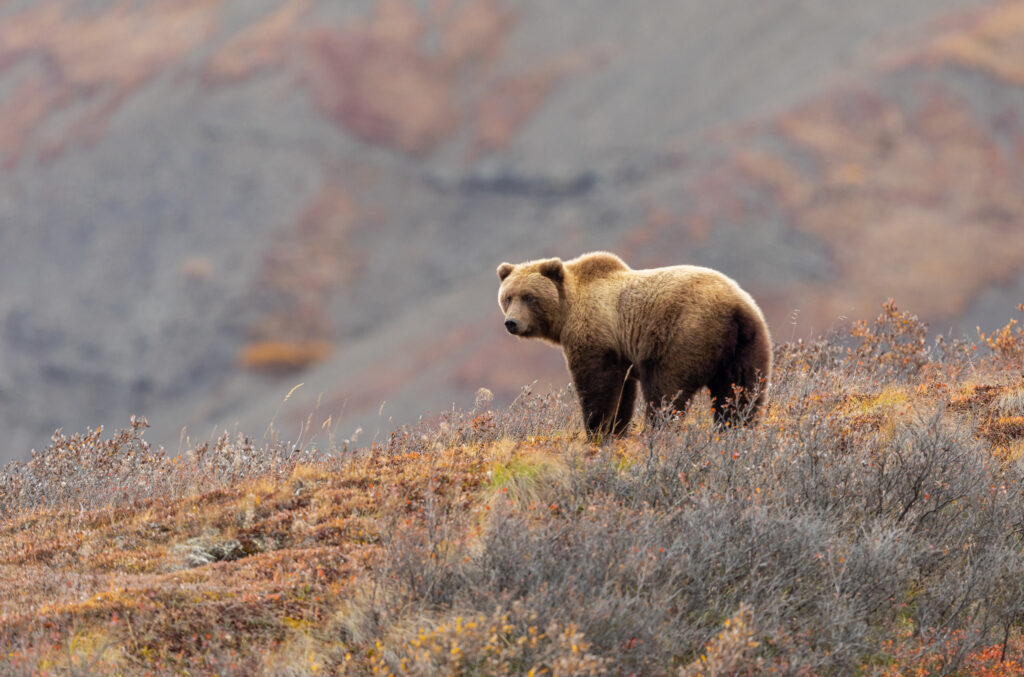
Fifty years ago, when the grizzly bear was listed as a threatened species, the federal government intervened to save this iconic American animal. Its recovery is one of the nation’s signature conservation success stories: In 1975, there were at least 700 bears in the northern Rockies. Today, thanks in large part to the Endangered Species Act, there are more than 2,300, and grizzly bears are expanding their range into areas where they haven’t been seen for more than a century.
The recovery of the grizzly bear is, of course, fantastic news. But, oddly, the government, in the waning days of the Biden administration, continued to treat recovered bear populations as though they still needed federal life support.
In January, the U.S. Fish and Wildlife Service denied requests from Montana and Wyoming to delist Greater Yellowstone and Northern Continental Divide grizzlies—two distinct populations that have met recovery goals for years.
The reasoning? That these bear populations have actually recovered too much; the bears, the government argued, have expanded their range so widely that they should no longer be considered distinct and separate populations.
Read the full article in The Washington Post.