
All Research:
Water Conservation

The Wealth of Indian Nations
Exploring the relation between tribes, property rights and the market

Why Are Indian Reservations so Poor?
At a time when there’s a spotlight on America’s richest 1%, a look at the country’s 310 Indian reservations—where many of America’s poorest 1% live—can be more enlightening.

An Untrustworthy Trustee
It is well past time to hand management of trust assets over to the individuals who own them.

Creating Economic Development on Indian Reservations
The lack of economic development on reservations is a major factor in creating the extreme poverty, unemployment, and the accompanying social issues that Indian nations face.
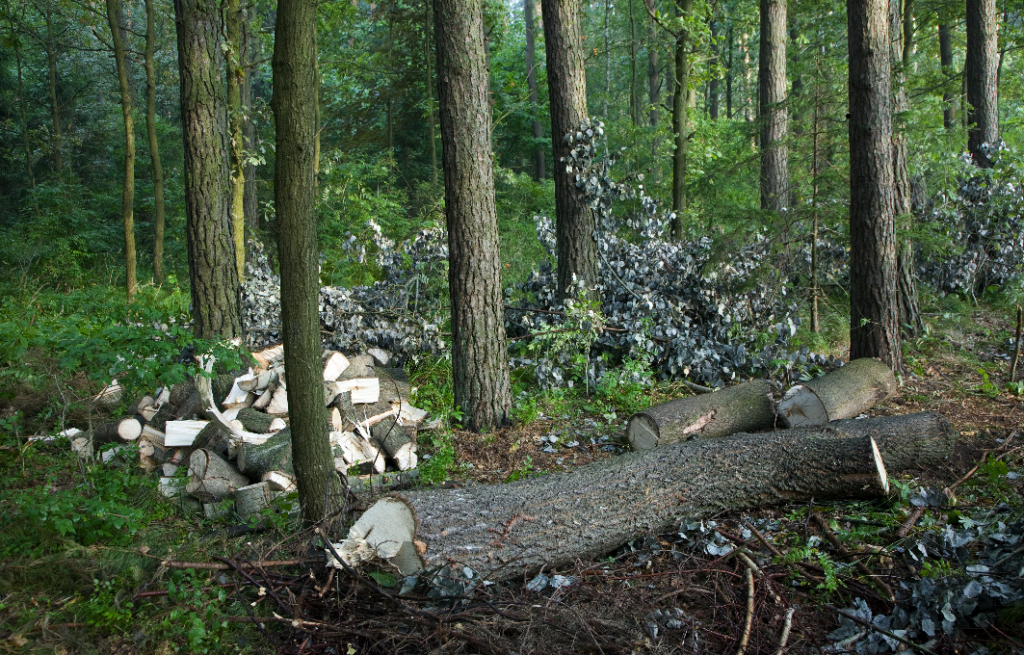
Save Rivers, Destroy Trees
PERC Enviropreneur Institute Alum James Workman discusses the water-wildfire nexus and why we should save rivers and destroy trees.
Unnatural forests are depleting water supplies
By Helen M. Poulos and James G. Workman Ronald Reagan once justified logging with “a tree is a tree; how many more do you need to look at?” Besides, he warned, “trees cause more pollution than automobiles.” We cringed at his biases. Yet due to forces none foresaw, Reagan’s gaffes may now ring true. Today,Continue reading “Unnatural forests are depleting water supplies”
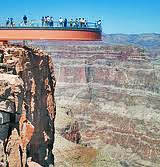
A legal chasm on reservations
The uncertainties of tribal governance and judicial systems has a chilling effect on economic development on reservations. A point in case is the Grand Canyon Skywalk.
At last, some bright spots in Indian country
By Terry L. Anderson When Supreme Court Justice John Marshall described the relationship between Indians and the federal government in 1831 as that of "a ward to his guardian," he sent Native Americans on a path of dependency and poverty. To this day, the Bureau of Indian Affairs (BIA) is the trustee of Indian assets.Continue reading “At last, some bright spots in Indian country”
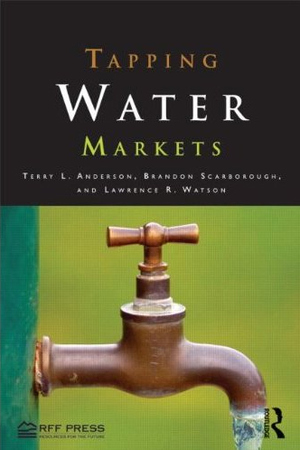
Tapping Water Markets
An exploration of where and why water shortages are occurring and where and why water markets are evolving to resolve conflicting water uses.