Conservation in America has evolved over the last century. In the beginning, it was about protecting land and wildlife from overharvest. We created parks, saved species, and eventually passed strong environmental laws. Those efforts built the foundation we stand on today. But as we look forward, the next era of conservation will be defined not only by what we protect, but also how and with whom.
Conservation is no longer just about boundaries and restrictions — it’s about collaboration, innovation, and participation. Our landscapes and waters are changing fast, shaped by climatic shifts, growing populations, and new economic pressures. To meet these challenges, conservation must be more adaptive, local, and inclusive than ever before.
Beyond Boundaries
Traditional conservation focused on fixed parks or individual species. That worked for many years, but nature doesn’t remain static. Species move, rivers shift, and coastlines change. Protecting nature now means focusing on ecosystem functions and connections, not just drawing lines on a map.
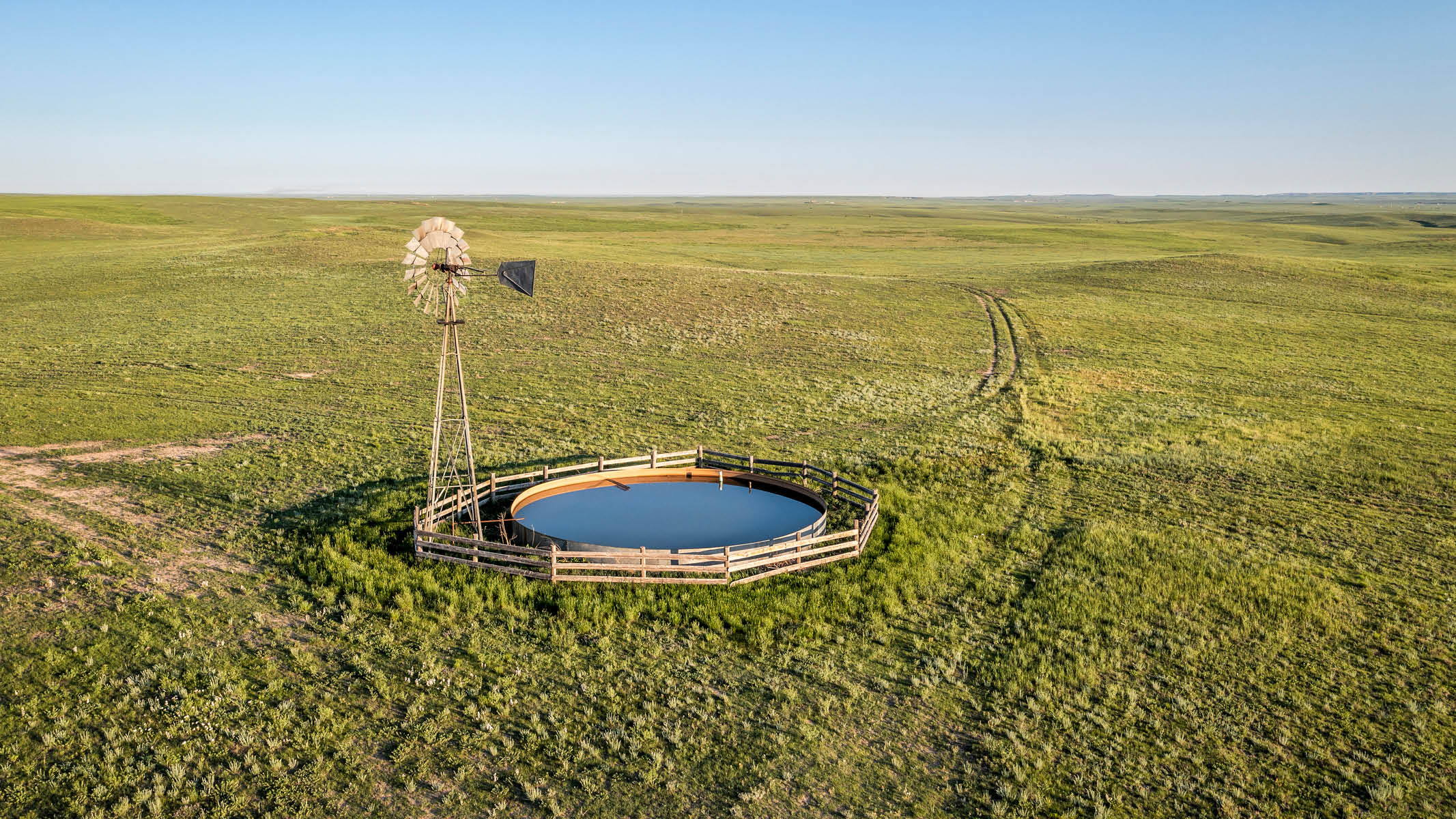
Instead of trying to freeze nature in time, we should help it keep working. Projects that restore water flow in the Everglades or link wildlife corridors across the Great Plains illustrate this new approach, where the goal isn’t to protect every acre but instead to keep life moving.
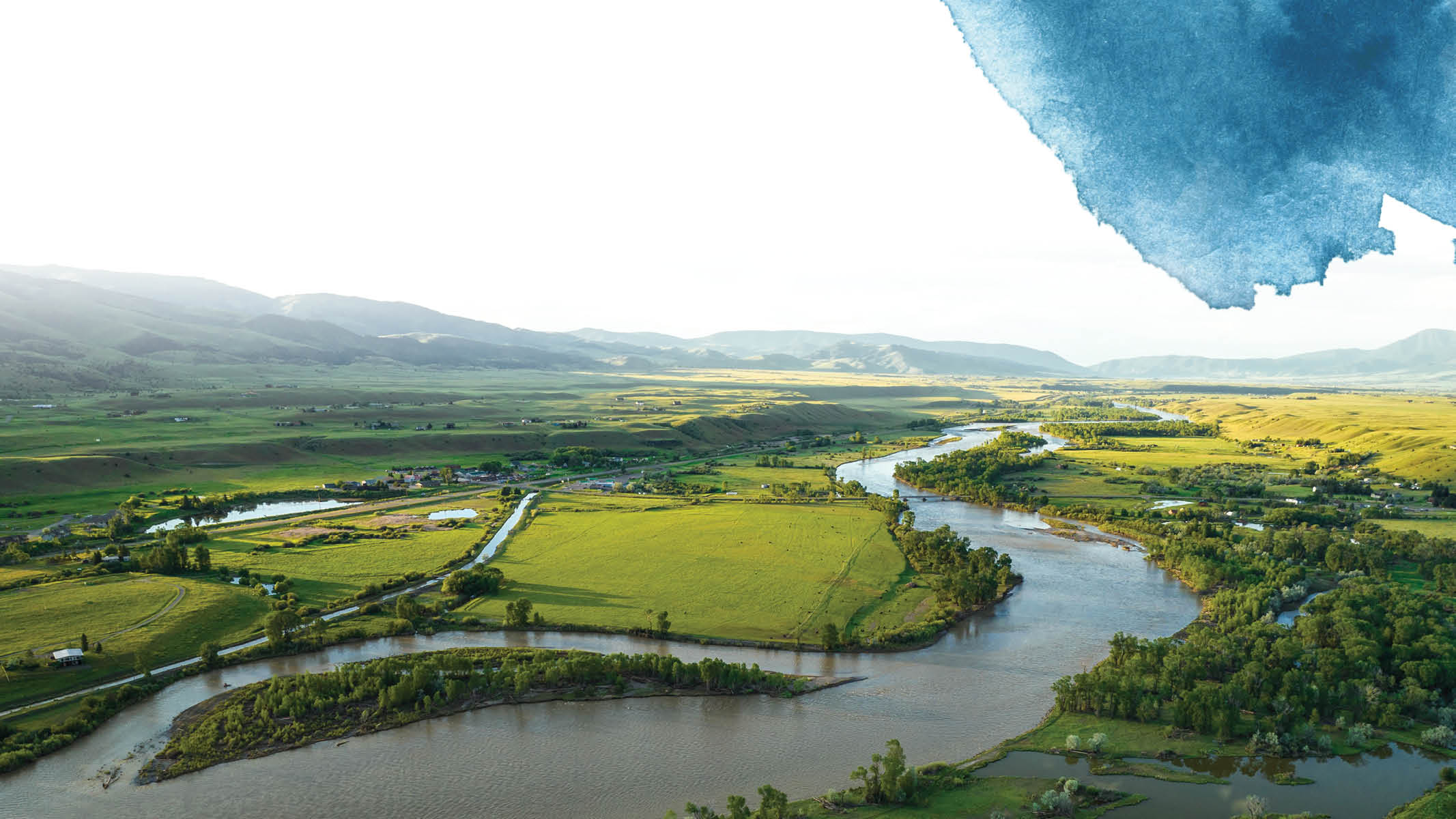
The next era will rely less on top-down federal programs and more on local and private leadership. With decreasing federal budgets, progress is likely to happen faster when local communities lead the way. Across the country, watershed groups are improving water quality, ranchers are restoring habitat for wildlife, and tribal nations are reviving traditional management practices. Lasting conservation comes from those who live and work on the land. The next era of conservation is a return to the civic spirit of early conservation where stewardship was driven by local engagement, not bureaucracy.
Integration of Technology and Markets
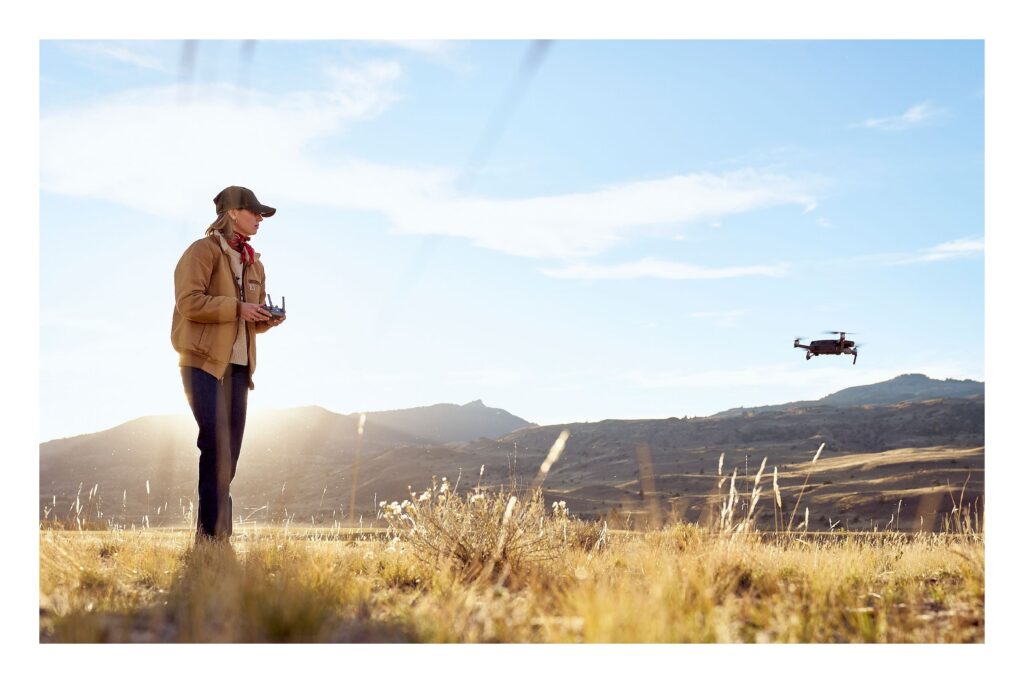
Technological innovations and market incentives are changing what’s possible in conservation. Drones, satellite data, and artificial intelligence are now used to map habitat, track wildlife, and plan restoration projects. At the same time, market-based tools are making conservation a shared investment. Easements, mitigation banks, and ecosystem service markets for carbon and water let landowners and businesses take part in conservation.
When conservation creates value for everyone, it becomes more durable. Together, these tools are blurring the lines between conservation science, business, and community action. They show that innovation and investment can go hand in hand, expanding conservation beyond the realm of government programs into the everyday decisions of landowners, companies, and citizens alike.
Participation Equals Conservation
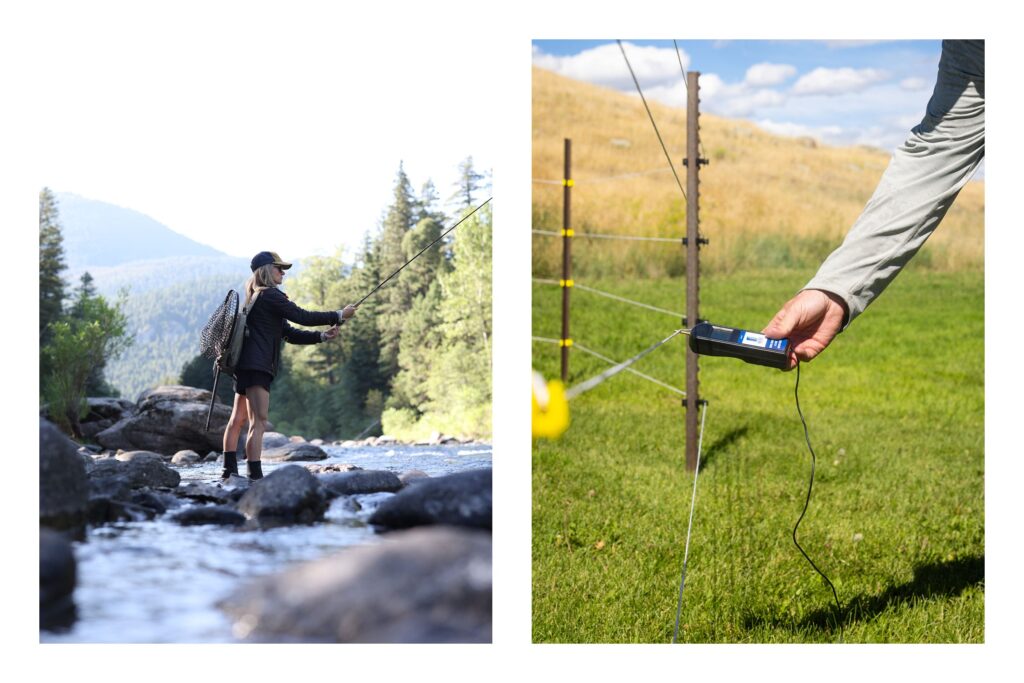
Conservation must welcome everyone with a stake in the land. Hunters, anglers, farmers, ranchers, and outdoor enthusiasts each bring unique experiences and passion to the conversation. When we focus on shared goals such as healthy land, clean water, and abundant wildlife, we can work together instead of apart.
Approaches that blend private working lands with conservation outcomes will define the next era of conservation. The future of conservation will depend more on partnerships than protected acres. It must be flexible, creative, and built on collaboration between people, markets, and technology. Most of all, it will depend on participation where people see themselves as active stewards, not bystanders.
We have good reasons for being optimistic. Our science is strong, and public awareness is growing. The best opportunities now lie in connecting people and nature, not separating them. That’s the next era of conservation — where people and nature thrive together because we choose to manage them as one.