

Companies selling outdoor gear lobby endlessly for more federal wilderness—subsidized by the taxpayer.
Types Archives
A Monumental Mistake
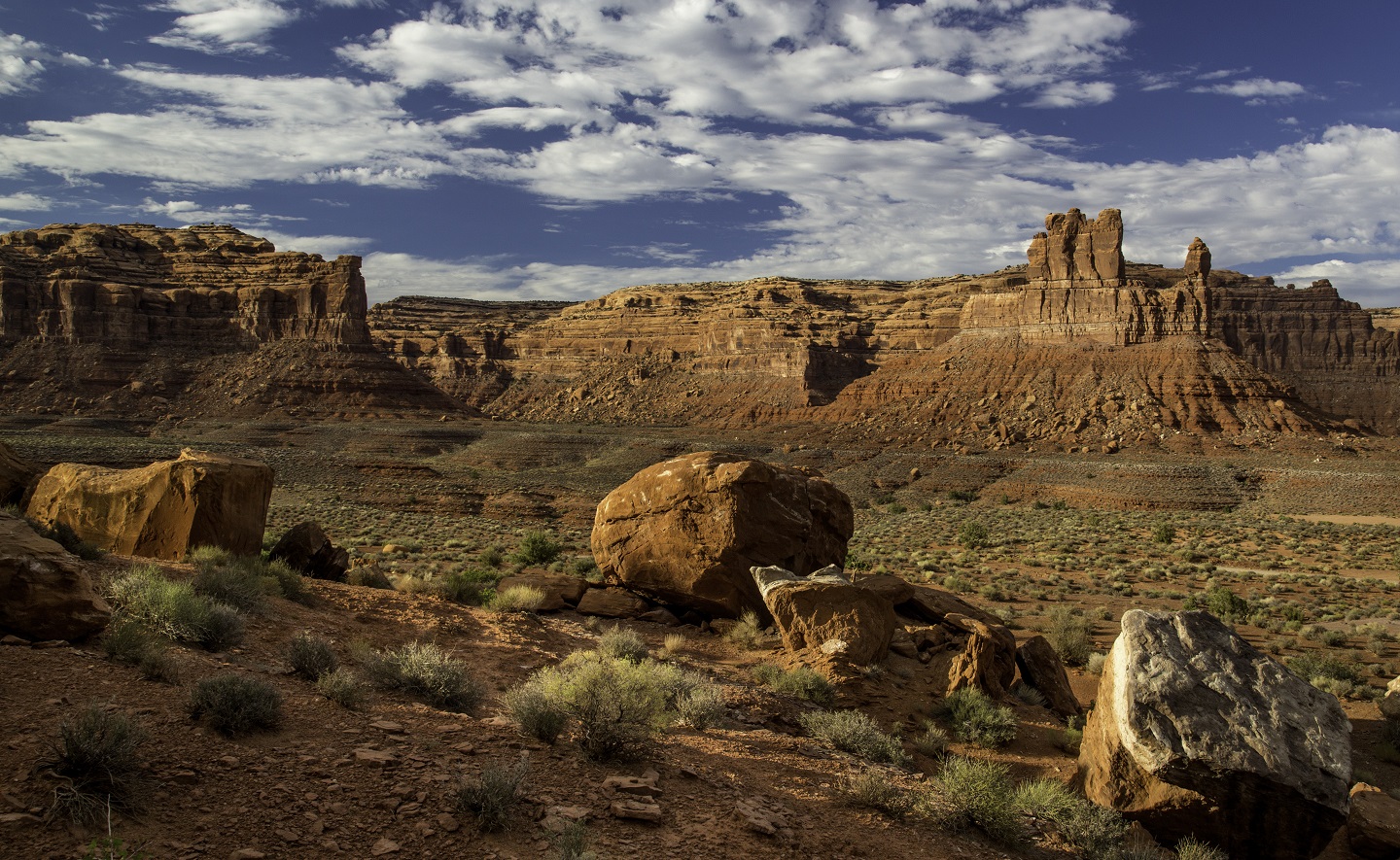
It’s time to make the Antiquities Act a thing of the past.
How to Deal With National Parks’ $12 Billion Maintenance Backlog?
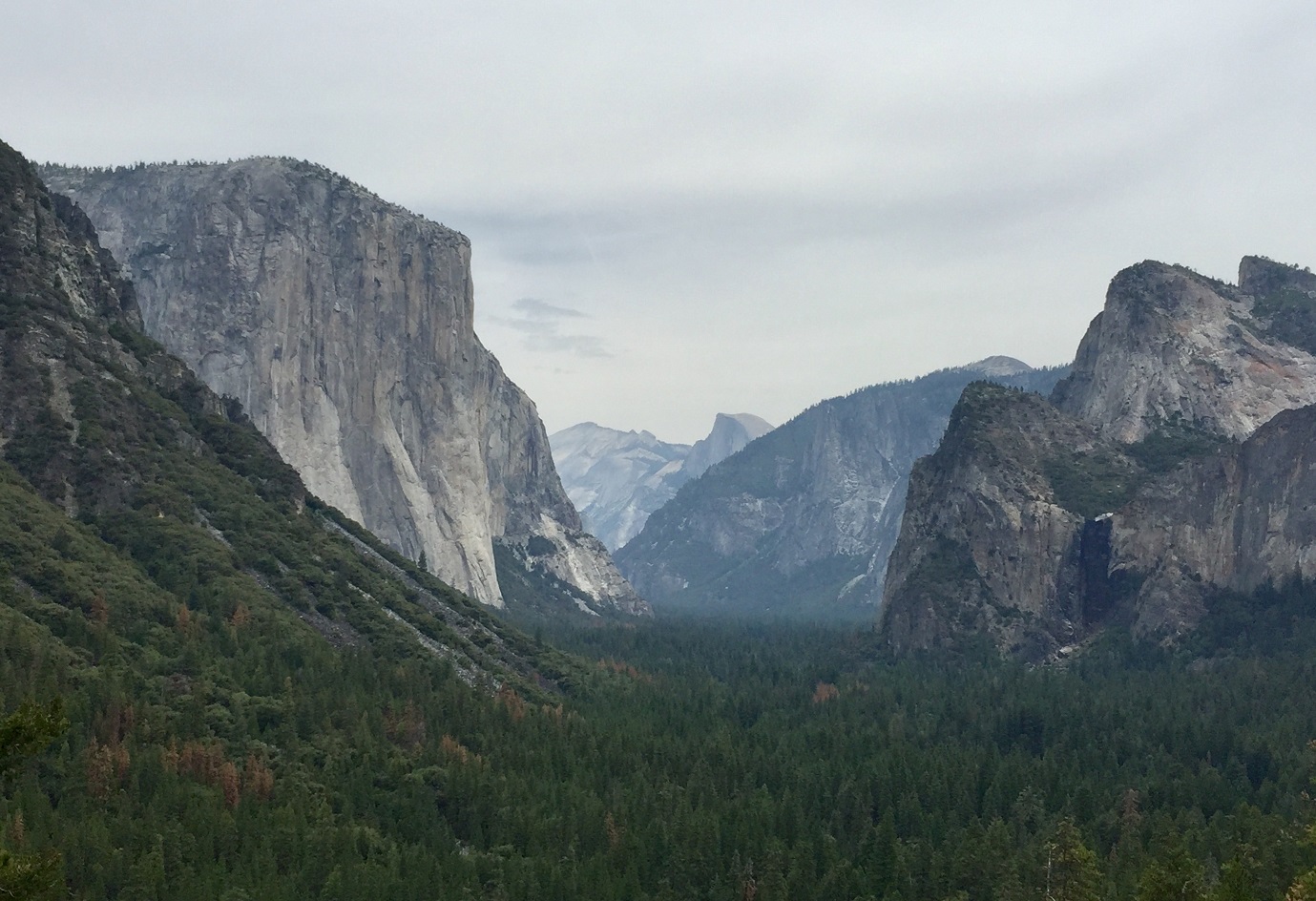
As the centennial celebration for our national parks comes to an end, not all is right within our parks.
Property Rights, Access, and Neighborliness

Land managers should pursue negotiation instead of litigation when settling access disputes.
No Wonder the Standing Rock Sioux Opposed the Pipeline
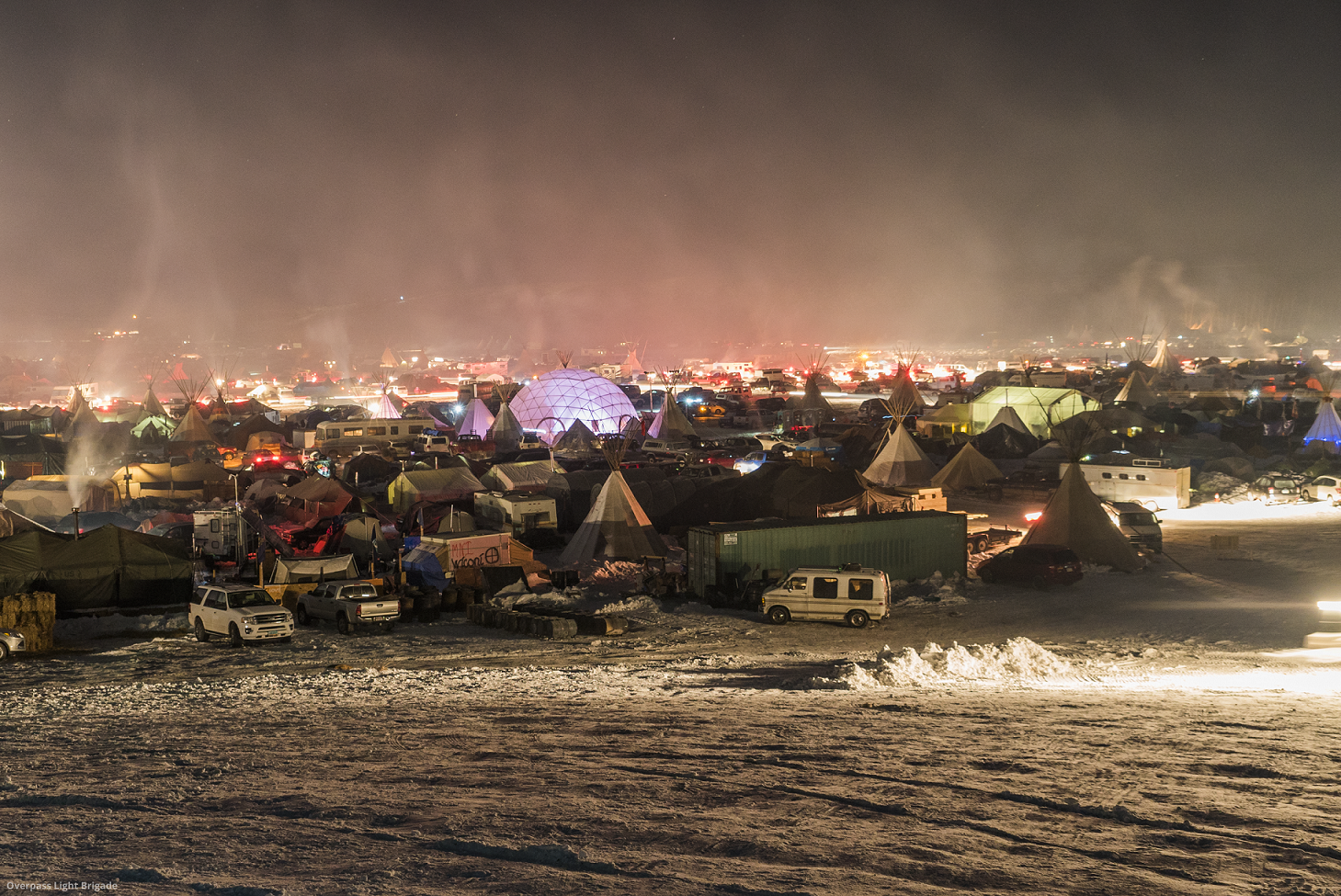
Federal policies often discourage developers from doing business on Native American reservations, denying tribes the opportunity to benefit from projects such as the Dakota Access Pipeline.
There’s a Way to Settle the Florida-Georgia Water War — Outside of Court
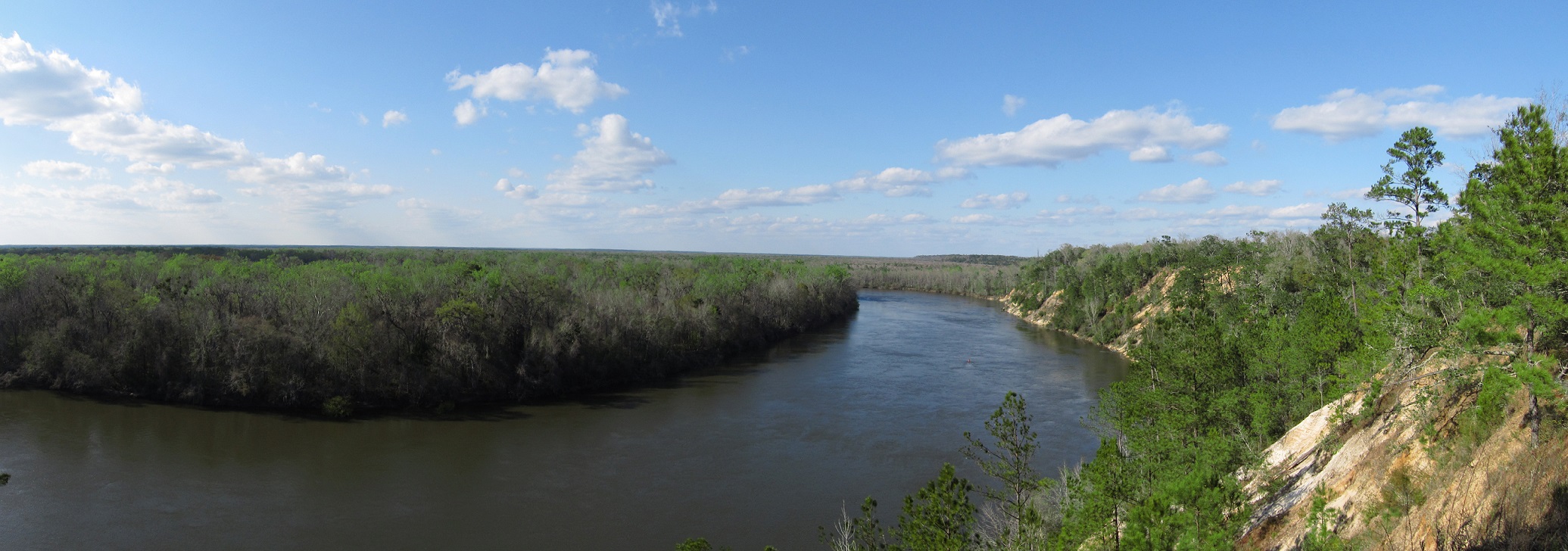
Georgia and Florida have taken their long-standing fight over water to the U.S. Supreme Court. Defining clear, enforceable, and transferable water rights could help ensure that water is allocated to productive uses and finally put an end to this water war.
Presidental Medal Of Freedom Should Come With Freedom For American Indians
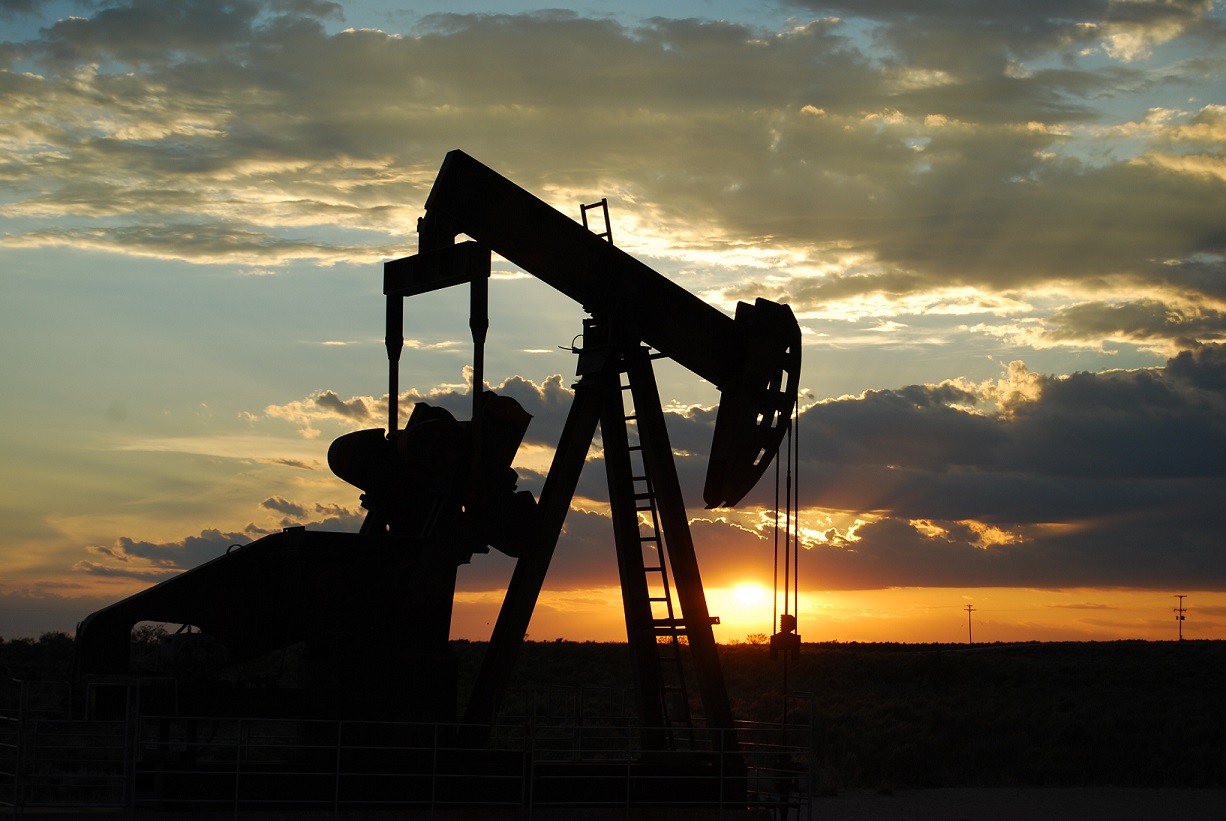
It is appropriate that Elouise Cobell be honored with the Presidential Medal of Freedom, but it would be better yet if the federal government would grant all Native Americans the freedom suggested by the award’s title – especially when it comes to energy development.
How Dodd-Frank Led to More Mayhem in Africa
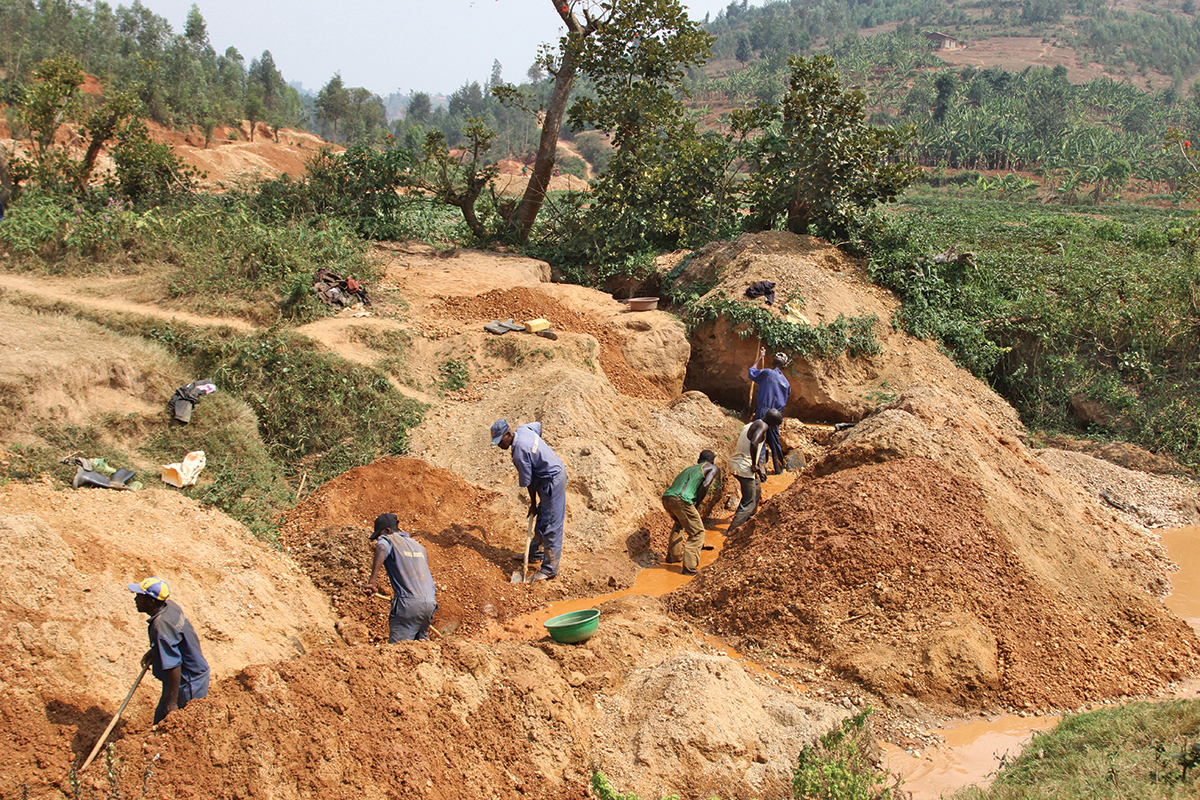
A measure to curb violence from conflict minerals has caused militias to simply expand their looting.
Why We Fight over Western Lands
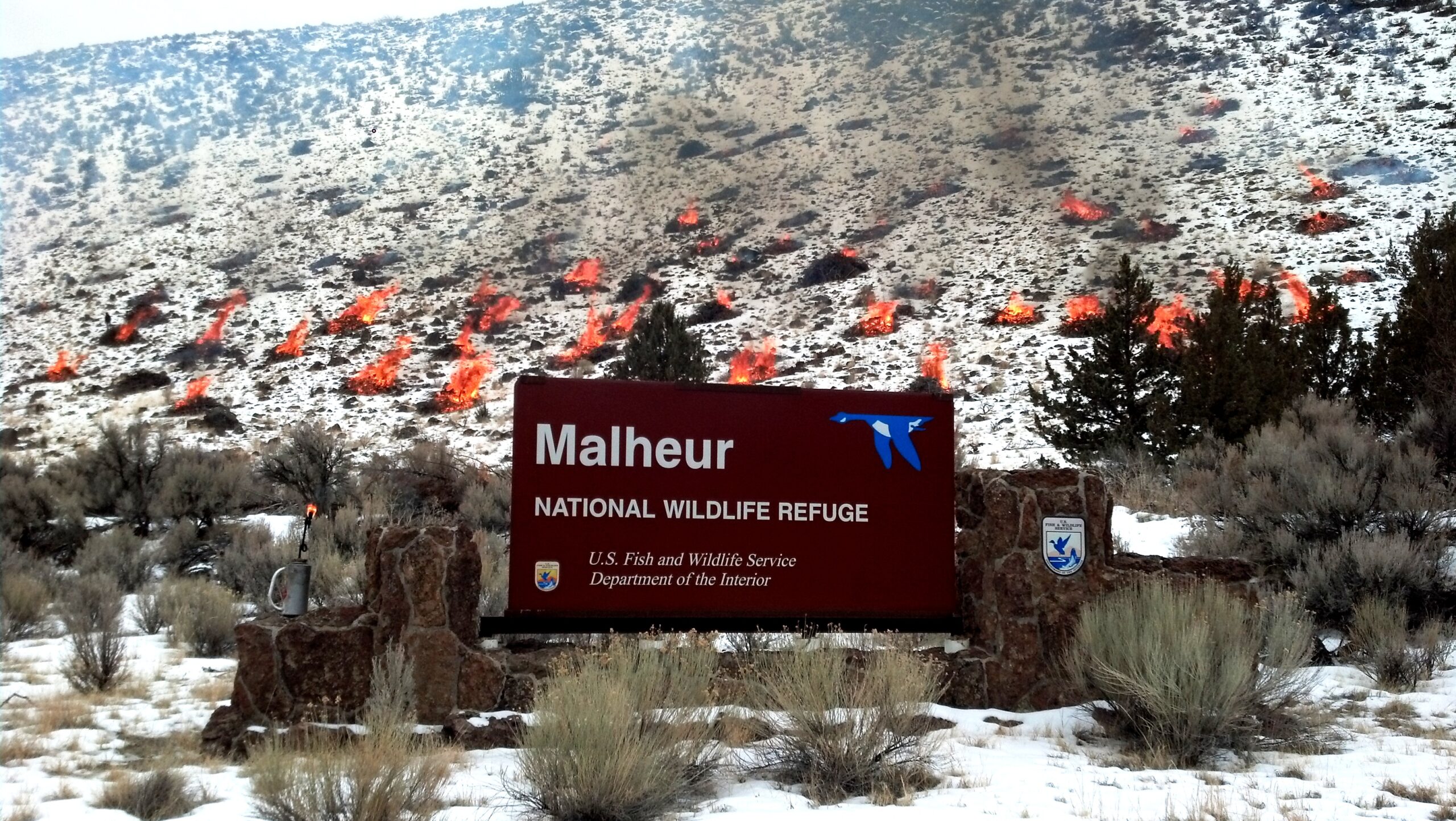
Federal land policies encourage conflict instead of negotiation.
How Humans Spare Nature
If decoupling trends continue, it is possible that human impacts on the environment will peak and decline this century, even as the global population approaches 10 billion