Nudging people to dismiss risk by making it cheaper and easier for them to live in fire-prone areas helps no one.


Nudging people to dismiss risk by making it cheaper and easier for them to live in fire-prone areas helps no one.
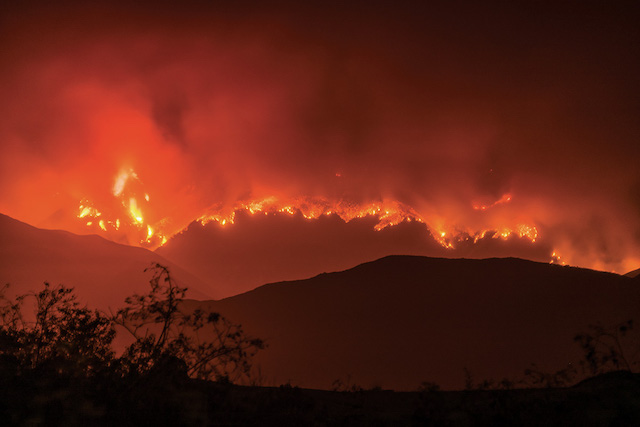
As wildfires get bigger and more costly, federal policies aren’t helping.

If legislators provide an implicit blank check for fighting fires, they risk spurring more development in fire-prone areas.
In this PERC Policy Series essay, Dean Lueck and Jonathan Yoder use economics to examine wildfire management and current wildfire policy debates.

By Helen M. Poulos and James G. Workman Ronald Reagan once justified logging with “a tree is a tree; how many more do you need to look at?” Besides, he warned, “trees cause more pollution than automobiles.” We cringed at his biases. Yet due to forces none foresaw, Reagan’s gaffes may now ring true. Today,Continue reading

Pens from old-growth forests preserve the forest as well as its history.
Traffic congestion is a huge problem, but building more roads only compounds the problem. University of Toronto Professor Matt Turner says studies show that mass transit also is not panacea. Perhaps it is time to try the market with congestion pricing.
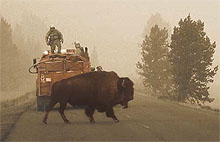
Fires of 1988 serve as a wake-up call for better forest management
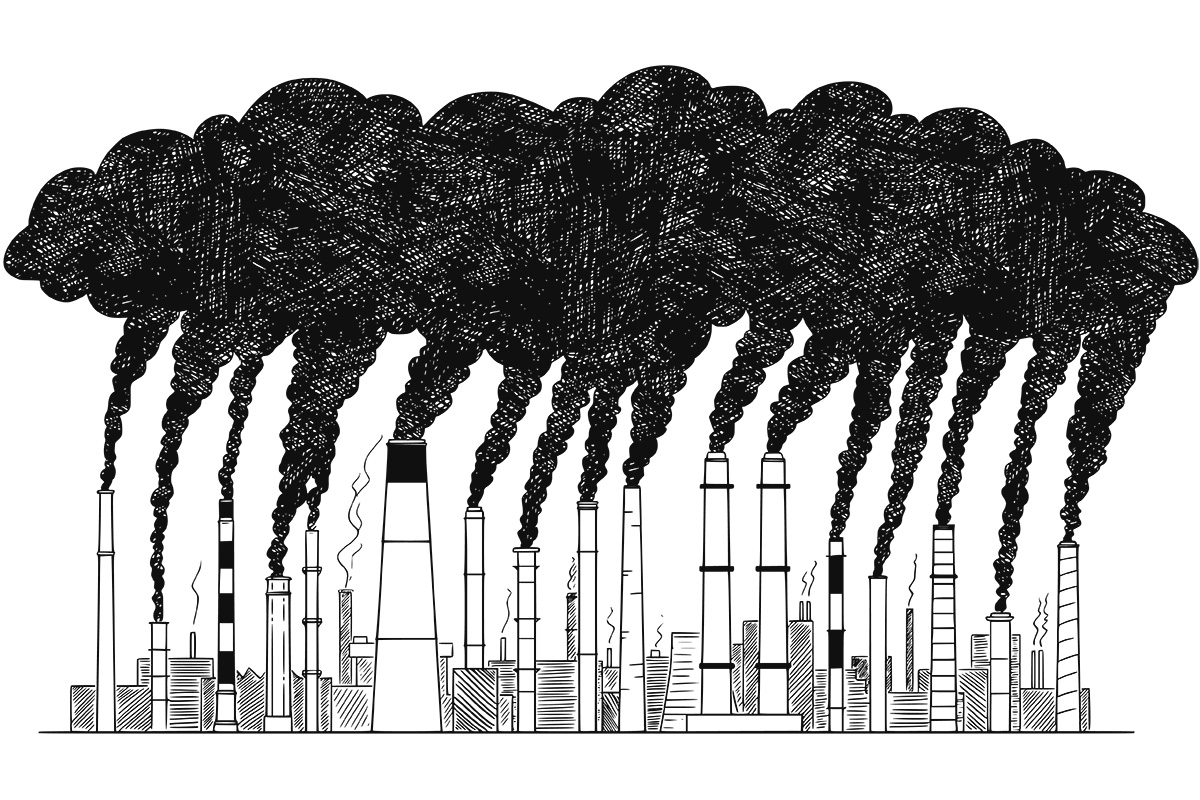
A small, but growing, professional opportunity for those with a keen sense of smell is rapidly developing in the Guadong Province of China. An environmental monitoring station in southern China is seeking the services of those with sharp noses who can sniff out foul gases in the air. At present, eleven professional noses are beingContinue reading
“The concern for forests today is not simply that trees will die from bugs or diseases–it is that entire forest systems are so far out of normal ecological range that virtually every element in the system is affected, and may be at risk.”