
All Research:
Healthy Public and Private Lands
Success Overdue at The Quincy Library
Enthusiasm surged recently in southwestern Washington when a community coalition announced that it had come up with a plan for logging Gifford Pinchot National Forest that was supported by environmentalists and industry officials alike. “We’ve identified the common ground . . . and hope the Forest Service will use this model,” said coalition memberContinue reading “Success Overdue at The Quincy Library”

Name That Species
Looking for a chance at immortality? It could be as close as the dusty file cabinet at a nearby museum. Thousands of new animal and plant species are discovered every year, only to languish in storage?unnamed, undescribed, and thus without entry into the larger scientific world. So here is your chance. Ante up a bitContinue reading “Name That Species”

Nature Undisturbed
The Endangered Species Act (ESA) is broken. Indeed, it was born broken. Enacted in 1973, the act is based on the myth of the balance of nature and, in particular, on a flawed understanding of the biological state of the Americas at the time of Columbus’s arrival. It is not even an endangered speciesContinue reading “Nature Undisturbed”
The Endangered Species Act Needs a Better Definition
Headwaters News January 5, 2005 By Randy T. Simmons At the Western Governors Association’s two-day Executive Summit on the Endangered Species Act, I told the governors that the Endangered Species Act is broken – that it was born broken. The ESA is based on a flawed understanding of the Americas at Columbian contact and onContinue reading “The Endangered Species Act Needs a Better Definition”
Mining the Waste
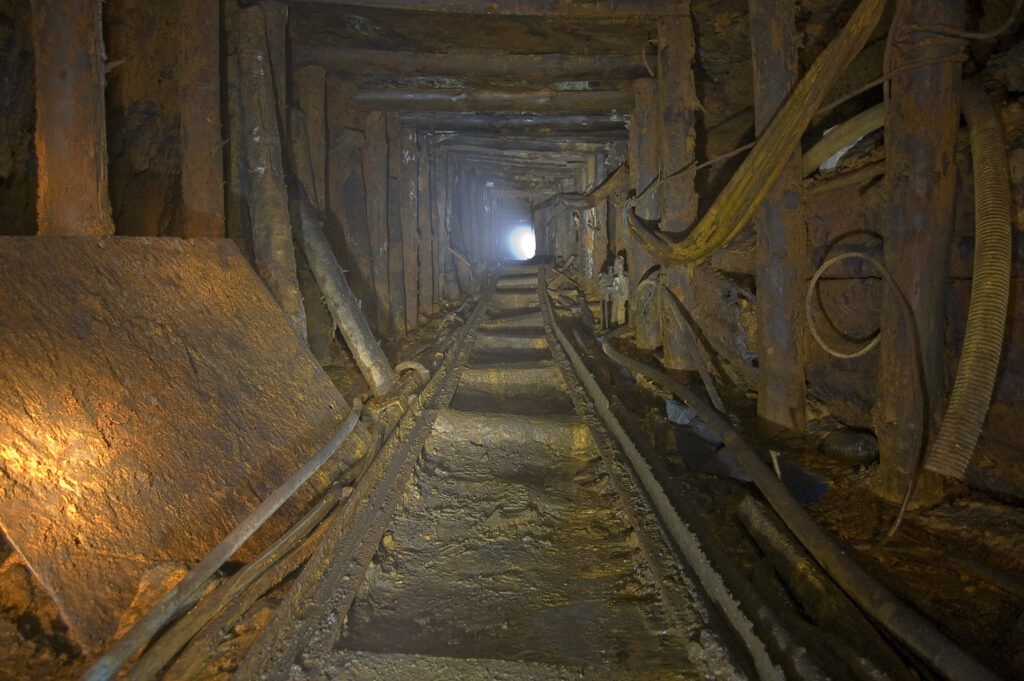
By some estimates, mining waste has polluted the headwaters of 40 percent of the West’s watersheds. Forest Service Chief Dale Bosworth says that cleaning up as many as 38,000 abandoned mines on national forests is a high priority, but certainly not one that his agency can tackle on its own. Ironically, the Superfund law hasContinue reading “Mining the Waste”
Give governors, residents more say in land designation
Billings Gazette September 11, 2004 By Holly L. Fretwell BEAVERHEAD-DEERLODGE NATIONAL FOREST – As I sit on a knoll on South Willow Creek, the family still snug in the tent, I have a rare moment to reflect on this beautiful spot. Surely this is wilderness. The creek water runs wild and swift, swollen from lastContinue reading “Give governors, residents more say in land designation”

Shootout Aids Texas Wildlife
The South Texas Wildlife Shootout is helping preserve wildlife habitat on private land and educating the public about the unique wildlife in the region. Sponsored by the Valley Land Fund in McAllen, Texas, the shootout is one of the largest and richest wildlife photography contests in the nation, offering top prizes ranging from $15,000 toContinue reading “Shootout Aids Texas Wildlife”
Why our politicized parks suffer
Detroit NewsJuly 18, 2004 By Thomas Bray It’s summertime, and while the political elites are tuning up their fog machines in anticipation of the major party conventions, most Americans are trying to get away from it all. For millions, that means a trip to a national park for a glimpse of the fabled American wilderness.Continue reading “Why our politicized parks suffer”
Decamping Politics From Public Lands
Tacoma News TribuneJuly 4, 2004 By J. Bishop Grewell When a Western Republican senator and the head of the Sierra Club share sound bites, alarms should ring. Currently, just such a duo is undermining one of the most successful initiatives we have seen on our public lands. The two men oppose the congressionally initiated FeeContinue reading “Decamping Politics From Public Lands”