
All Research:
Healthy Public and Private Lands
Not a walk in the park
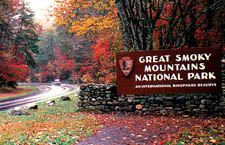
By Katharine Herrup Although President Obama recently fulfilled his promise to better fund America’s national parks with a bill he signed Oct. 30 that will add $218 million to the parks budget next year, the small increases his administration is providing are unlikely to be enough to make up for years of neglect. Obama saidContinue reading “Not a walk in the park”
“And then what?”
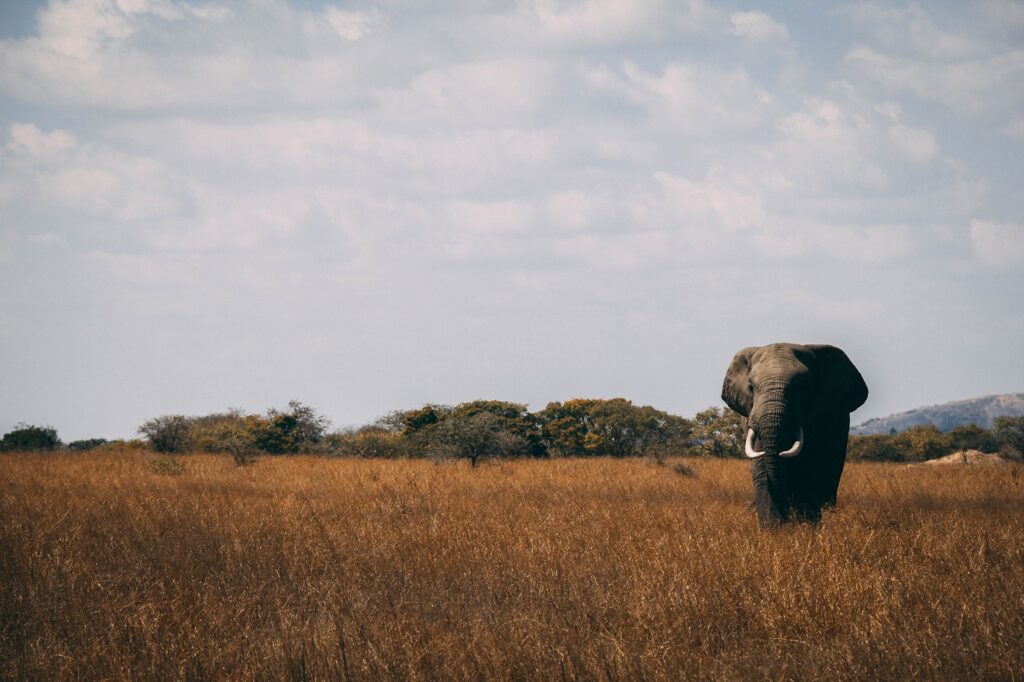
In the early days of the ivory trade ban in the 1980s, TIME magazine showed a picture of Kenyan government officials burning tons of ivory to demonstrate their commitment to the ban as a way of stopping elephant poaching.
Two Forests Under the Big Sky: Tribal v. Federal Management
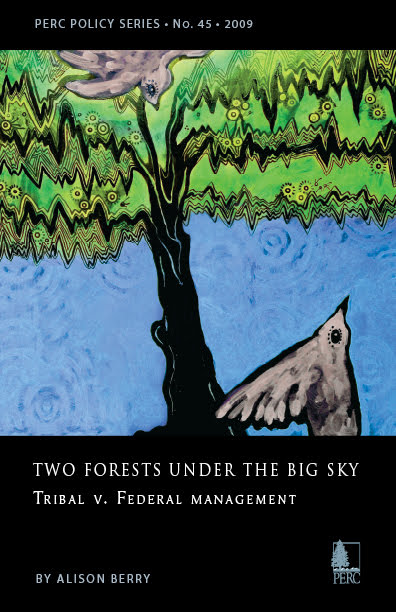
In this policy series, Alison Berry contrasts forest management in Montana. In her comparison one forest is operated by the United States Forest Service under the watchful eye of Congress. The other is run by Indian tribes on reservation lands.
Celebrating Wallace Stegner’s Most Quotable Words
Through the vitality and wisdom of his written words, Wallace Stegner remains an influential presence in the American West.
Saving wild tigers could mean eating them
On ABC’s “20/20” with John Stossel, Terry Anderson sugests eating tigers could be the best way to save them.
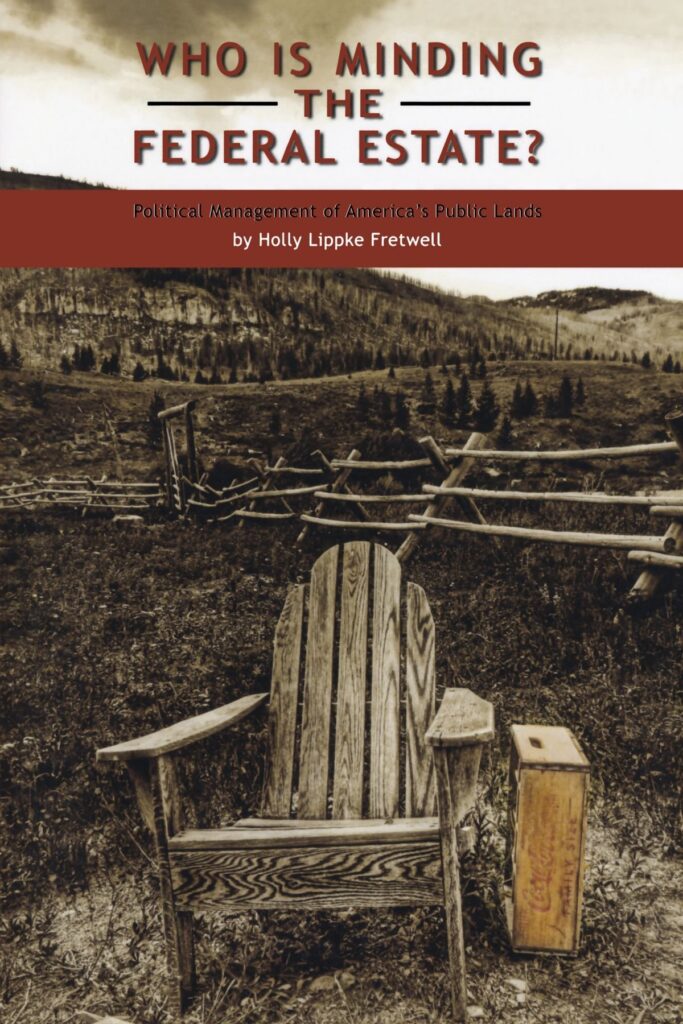
Who is Minding the Federal Estate?
A discussion of innovative approaches to improve the management of our public lands.
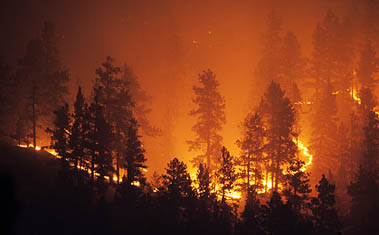
Public Land Mismanagement
Environmental, fiscal and economic irresponsibility in the name of protection.
In the Eye of the Wildlife Storm
Most conflicts solved with market-based solutions involve opposing sides exercising their property interest, whether factual or imagined.
War Zone – Wildlife and Water
When the battles over water in Oregon’s Klamath River Basin were at their peak, PERC organized a meeting in Portland to bring competing parties to the table in search of common ground for reducing the conflict.