
All Research:
Healthy Public and Private Lands
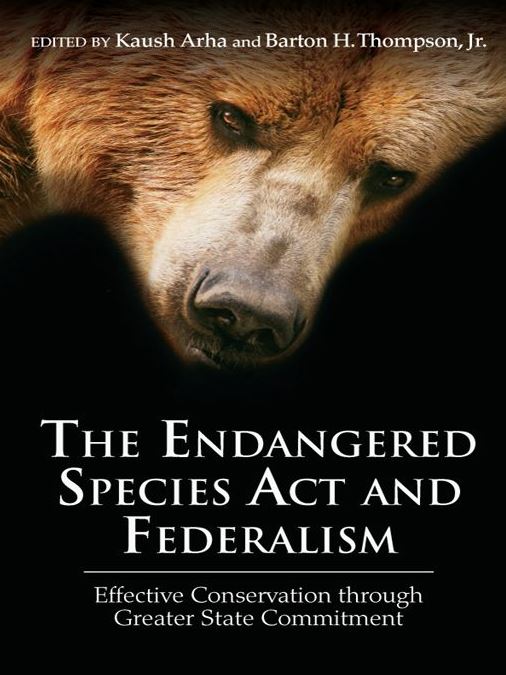
The Endangered Species Act and Federalism
This book presents the legal and policy analysis for federalism considerations in implementing ESA.
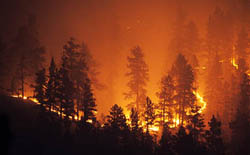
Forest fires thrive on central management
One of our nations greatest resources, its large western forests, is given over to the care of government. Polluted streams, destroyed homes, and wasted assets are the result, even though the responsibility was clearly in our realm. The solution is to allow the resource to be privately owned, not collectively
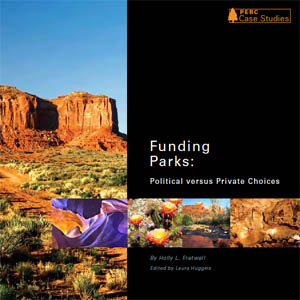
Funding Parks: Political versus Private Choices
State parks often have their budgets cut when revenues are tight. Some parks are having success by hiring private companies to run the parks. They are efficient, good stewards of the resource, and customer-friendly.
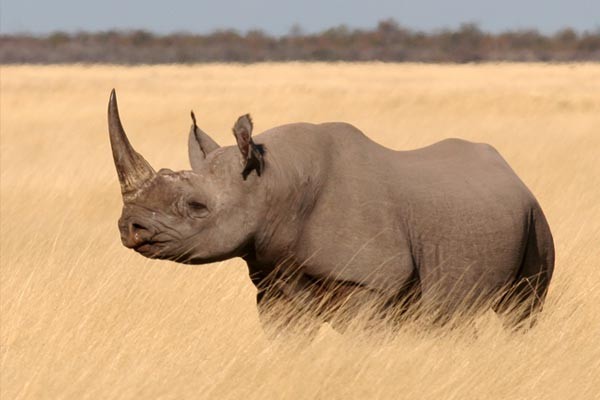
Saving African Rhinos: A Market Success Story
How property rights and limited trophy hunting saved the African white rhino.
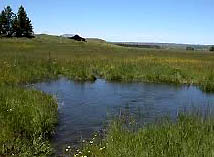
Public-Private partners restore wetland
Jeff Laszlo knew that to keep the family ranch, he needed to chnage his operations. By recognizing the environmental assets on his ranch and forging partnerships with public and private funders he restored a huge wetland that now flourishes with fish, wilflife and plants. By investing in conservation, he has saved his ranch and increased his income.

DeChristopher case begs question: What if enviros were allowed to bid on oil leases?
Why are ranchers and mineral companies allowed to bid on federal land leases, but the public cannot? If environmentalists could lease the land they want to conserve, taxpayers might see a higher return and also avoid some bitter disputes.
Q. & A. on Rhino and Tiger Economics
Conservation of animals like rhinos and elephants may eventually be conducted most successfully by markets where these animals have monetary value rather than just emotional value. It may sound cold, but it could well keep them from becoming extinct

The call of the wild
Could the political conflict over wolf recovery efforts be resolved via economics? Let the bidding begin.
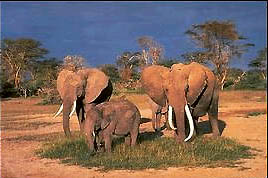
Shoot an Elephant, Save a Community
When people who live near wild elephants understand how they can benefit economically, they have an incentive to protect the wildlife.