

Marina owners Bill Reiser and Lisa Stowell know that running an environmentally friendly business is not only good for Chesapeake Bay, but good for their pocketbooks, too. With that in mind, they have shelled out some serious money to make sure their customers keep coming back. To keep the waters near their business clean, theyContinue reading “Keeping It Clean”
Author Archives: admin
Forest – Saving Fashions
Native forests in New Zealand are being munched to death by millions of opossums. Introduced from Australia in the mid-1800s, the furry creatures have no natural predators in New Zealand. It is estimated that they are now 70 million strong and consume 20,000 tons of foliage every night. Although hunting and poison have been usedContinue reading “Forest – Saving Fashions”
Turtle Tourism
Along Brazil’s Atlantic coast, local people patrol 620 miles of beaches to protect five endangered species of sea turtle. By protecting the turtles, they are also protecting an important source of income based on ecotourism. One local man said, "Turtles have become a big part of my life. If I or any other fisherman seesContinue reading “Turtle Tourism”
The Market Meets the Environment:
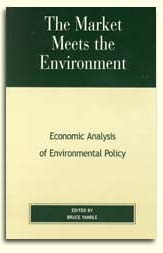
The Market Meets the Environment Economic Analysis of Environmental Policy Bruce Yandle Editor What does free market environmentalism have to say about Love Canal, Cleveland’s burning Cuyahoga River, golf course pollution, the EPA’s Toxic Release Inventory Requirement, nonpoint source pollution, and river basin associations? In this revealing book, Bruce Yandle has compiled eleven original essaysContinue reading “The Market Meets the Environment:”
Environmental Education

Across the country, children are learning that the earth is getting dangerously hot, that acid rain has destroyed vast numbers of lakes and rivers, and that organic food is safer than food grown with pesticides. Some children are frightened about their future; others pester their parents with simplistic solutions to complex problems. “Many environmental materialsContinue reading “Environmental Education”
Do We Get What We Pay For?
“The concern for forests today is not simply that trees will die from bugs or diseases–it is that entire forest systems are so far out of normal ecological range that virtually every element in the system is affected, and may be at risk.”
Enviro-Capitalists
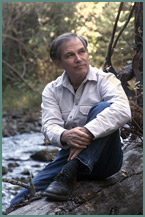
Private solutions can and should be an important part of the effort to manage and conserve our natural resources. Citizens are frustrated with government policies that are costly, compromise private property rights, and still fail to preserve environmental quality. Where government bureaucracy has created roadblocks, individual entrepreneurs have generated innovative approaches to environmental problems.Continue reading “Enviro-Capitalists”
Enviro-Capitalists:

Christine Jurzykowski A love of animals could not keep red ink from spilling across the pages of Christine Jurzykowski’s account books at the Fossil Rim Wildlife Center. Jurzykowski and her partner Jim Jackson had purchased 2,700 acres of rolling Texas hill country with good intentions and hefty bank accounts and made it home to moreContinue reading “Enviro-Capitalists:”
Government Obstacle:
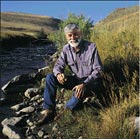
Thwarted By Regulation David Cameron is a third-generation Montana rancher. A lanky, middle-aged man with a genial manner, he raises cattle and sheep. Cameron is also a biologist, recently retired from Montana State University. He and his family have a long tradition of protecting wildlife. Elk, deer, mountain lions, and bears inhabit his ranch.Continue reading “Government Obstacle:”
Nurturing Entrepreneurs:
1. LET PEOPLE KNOW ABOUT THESE PIONEERS. Chances are, the readers of this issue of PERC Reports were unaware of most of the individuals mentioned here until now. Perhaps a few have visited Fossil Rim and some have read in PERC Reports about Orri Vigfœsson’s purchase of salmon fishing rights. But the environmental successes ofContinue reading “Nurturing Entrepreneurs:”