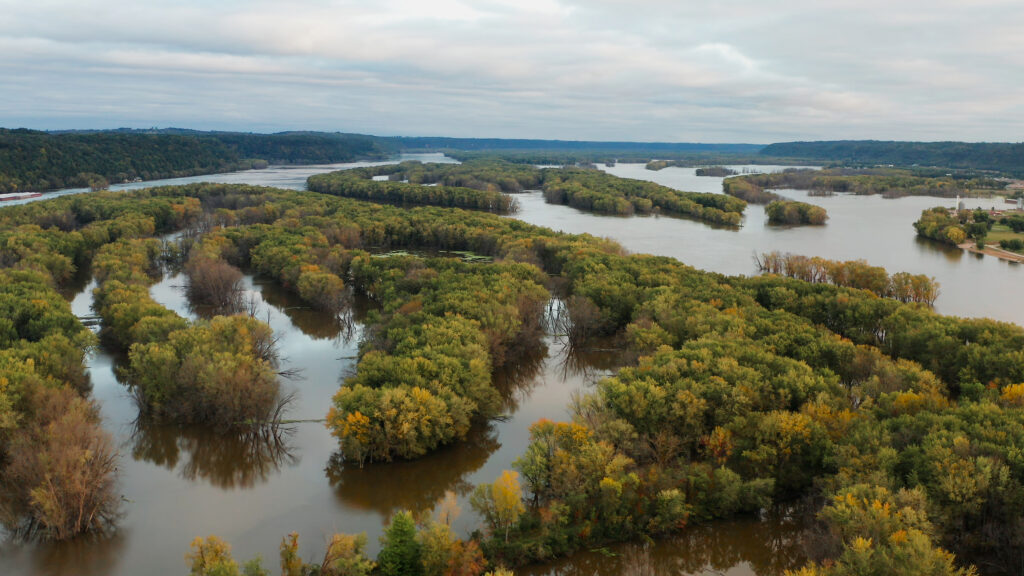
Wetlands are among the most productive ecosystems in the country, supporting biodiversity, protecting water quality, and reducing flood risks for nearby communities. Conserving them is a worthwhile investment, but more regulation does not automatically mean better conservation.
In a new public comment submitted to the Environmental Protection Agency, PERC outlines why clear, workable rules under the Clean Water Act are essential to protecting wetlands, especially on private land, where roughly three-quarters of U.S. wetlands are located. When federal jurisdiction is vague or overly expansive, it can fuel conflict, invite litigation, and discourage the very landowner cooperation that successful conservation depends on.
The administration’s revised definition of “waters of the United States” takes important steps in the right direction. By aligning federal regulation with the Supreme Court’s decision in Sackett v. EPA, the proposal draws clearer jurisdictional boundaries that are easier to understand and apply. That clarity reduces uncertainty for landowners, lowers barriers to voluntary conservation and restoration, and helps prevent wetlands from becoming perceived legal liabilities.
Just as importantly, clearer federal lines create space for states and private partners to lead where they are best positioned to do so. When states know where federal authority ends, they can design wetland programs tailored to local conditions, target resources more effectively, and be held accountable for results. Recent state-led efforts demonstrate that conservation can thrive when incentives are aligned and roles are clearly defined.
Effective wetlands conservation depends on cooperation, not confusion. By prioritizing clarity and administrability, the proposed WOTUS rule can strengthen landowner stewardship, reduce conflict, and support a more durable, incentive-based approach to protecting wetlands for the long term.