This article was originally published in the Bozeman Daily Chronicle.
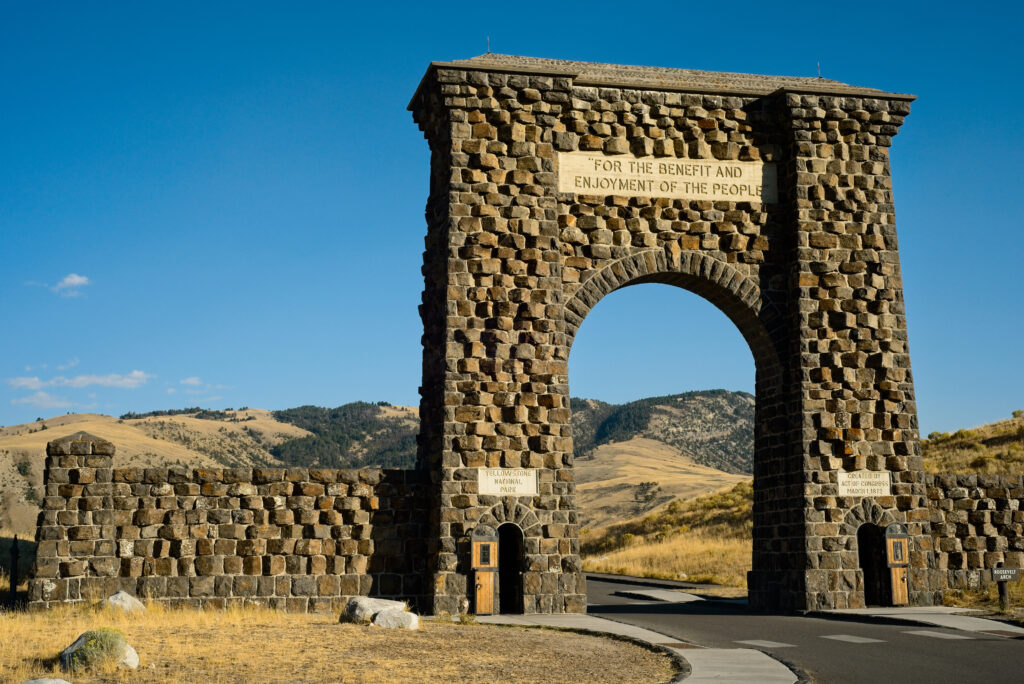
Starting Jan. 1, international visitors to Yellowstone are paying a $100 surcharge to enter the park, a policy change announced earlier this month by the Interior Department.
Predictably, critics rushed to call it “gouging” or a threat to access. But with the impacts of the park’s popularity impossible to ignore, that critique misses the mark.
This policy isn’t about keeping people out. It’s about keeping Yellowstone financially whole.
Yellowstone is one of the most internationally beloved landscapes on Earth, with visitors spending thousands of dollars and traveling hundreds of miles to access this remote corner of the Rocky Mountains. International visitors, in particular, are an untapped revenue source. Estimates suggest a significant portion of the park’s visitors — about 15 percent — come from outside the United States.
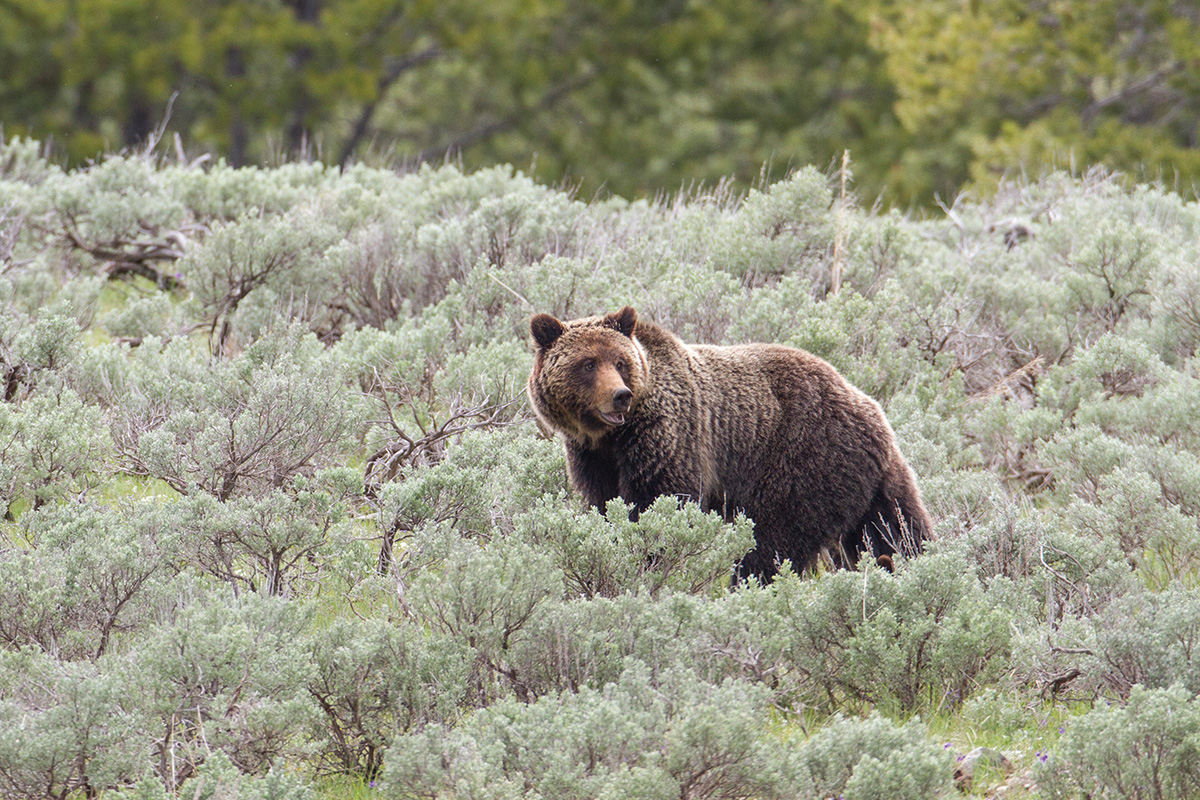
They come because Yellowstone is extraordinary, and because it’s managed, maintained and protected.
That protection, however, comes at a cost we are no longer meeting.
Behind the geysers and wildlife lies an aging system under strain: Wastewater infrastructure built decades ago, eroding trails, overburdened roads, failing boardwalks, and employee housing so limited it has become a barrier to staffing.
Today, Yellowstone faces a $1.5 billion maintenance backlog. Temporary fixes and congressional windfalls have helped, but they haven’t solved the core problem: Visitation has surged while funding has not kept pace.
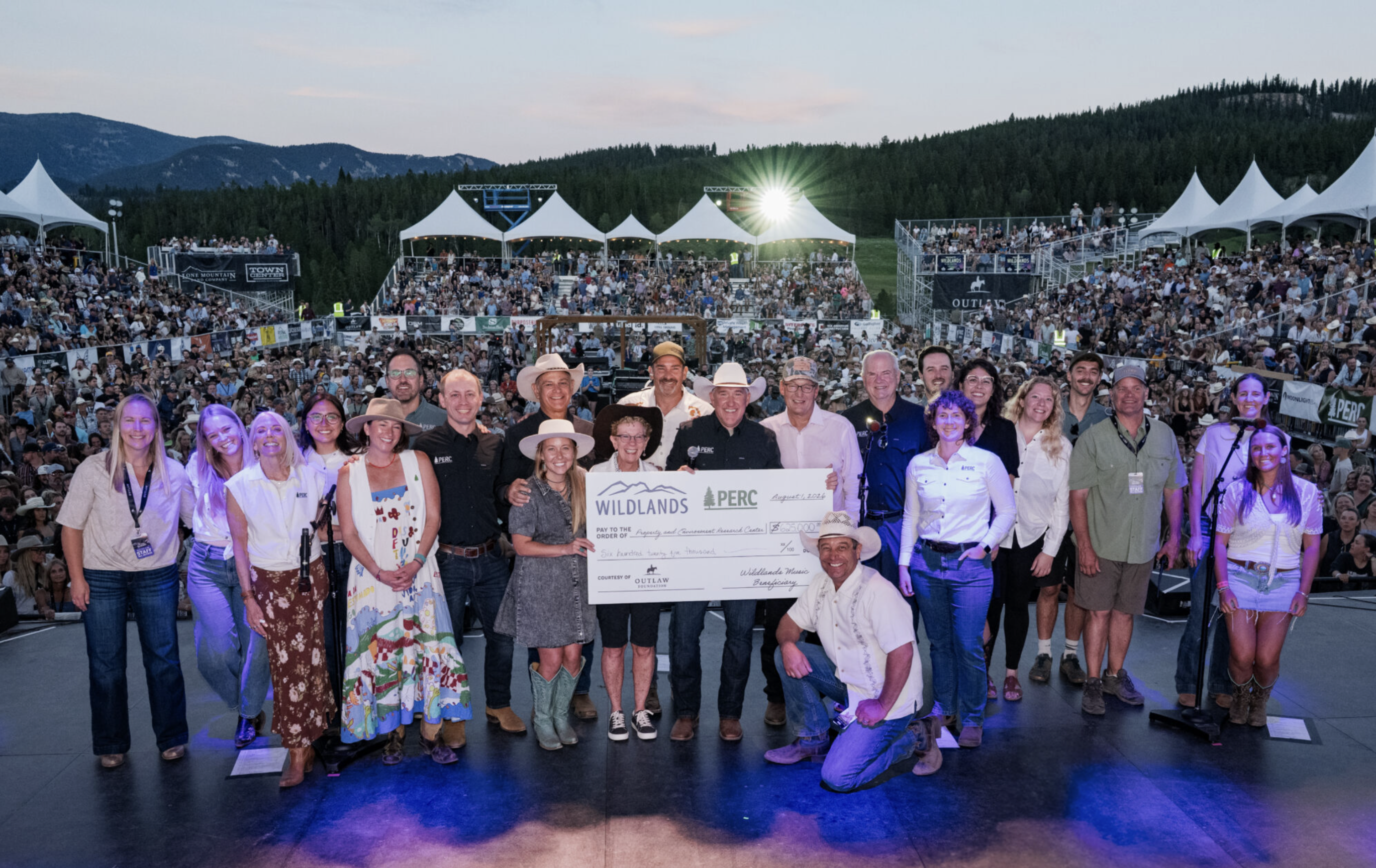
That’s where the international surcharge comes in, and why it makes particular sense for a place like Yellowstone. Research conducted by my organization, the Property and Environment Research Center (PERC), suggests that a $100 non-resident surcharge at Yellowstone could generate roughly $55 million in additional annual revenue.
That’s not a rounding error. It’s the difference between patchwork repairs and long-term stewardship.
Crucially, this isn’t money siphoned off to Washington. Eighty percent of entrance fees stay in the park where they’re collected.
That means more resources in the hands of Yellowstone’s superintendent and staff, the very people who know which bridge is failing, which trail needs attention, and which water line can’t wait another season. Visitors can feel good about contributing more because it directly helps manage the park’s upkeep.
Opponents argue that higher fees will deter visitors. The data says otherwise. International visitors to Yellowstone tend to be highly committed travelers.
PERC’s analysis shows that demand from overseas visitors is remarkably insensitive to price. The $100 surcharge on international visitors is expected to decrease visitation by a mere 1.3 percent.
When the average international trip to Yellowstone costs several thousand dollars, a $100 surcharge barely registers, especially when it goes directly toward preserving the experience people traveled so far to enjoy.
The idea that this policy somehow undermines access also rings hollow when viewed in a global context. Many of the world’s most treasured parks already charge non-residents significantly more than locals.
These systems recognize a basic reality: Residents support parks year-round through taxes and political will, while international visitors contribute primarily through user fees. Yellowstone is simply catching up to a model that works.
We accept this logic closer to home as well. Montanans pay far less than non-residents for hunting licenses. State parks routinely charge out-of-state visitors higher fees. These differences aren’t controversial because they’re rooted in fairness, not exclusion.
A funding system that relies almost entirely on unpredictable congressional appropriations leaves Yellowstone vulnerable to political gridlock and delayed action. A more robust, user-based revenue stream allows the park to respond in real time to fix what’s breaking before it fails, to invest where pressure is highest, and to improve visitor experiences rather than merely triaging them.
Yellowstone’s popularity is a testament to its power. But popularity without investment is a recipe for decline. Asking international visitors — who come willingly, enthusiastically, and in growing numbers — to contribute a little more toward the park’s care isn’t gatekeeping. It’s stewardship.
If we want Yellowstone to remain the place that stops people in their tracks, whether they arrive from Billings or Berlin, we need funding that reflects the reality on the ground. This surcharge is a practical step toward ensuring that the world’s first national park doesn’t become a victim of its own success.