Introduction
Richard the Lionheart. The Big Bad Wolf. Smokey Bear. Charismatic predators like lions, wolves, and bears have been incorporated into cultures across time. While these animals are widely admired by people all over the world, living alongside them can be difficult, costly, and even dangerous.
Partly because of this, humans have persecuted large predators for centuries. Only 34 percent of the world’s land area still contains all of the predator species that were present in recent history (Wolf & Ripple, 2017). These places include parts of western Montana, where the mountains, forests, and valleys are still inhabited by bobcats, Canada lynx, wolverines, mountain lions, wolves, black bears, and—of course—grizzly bears.
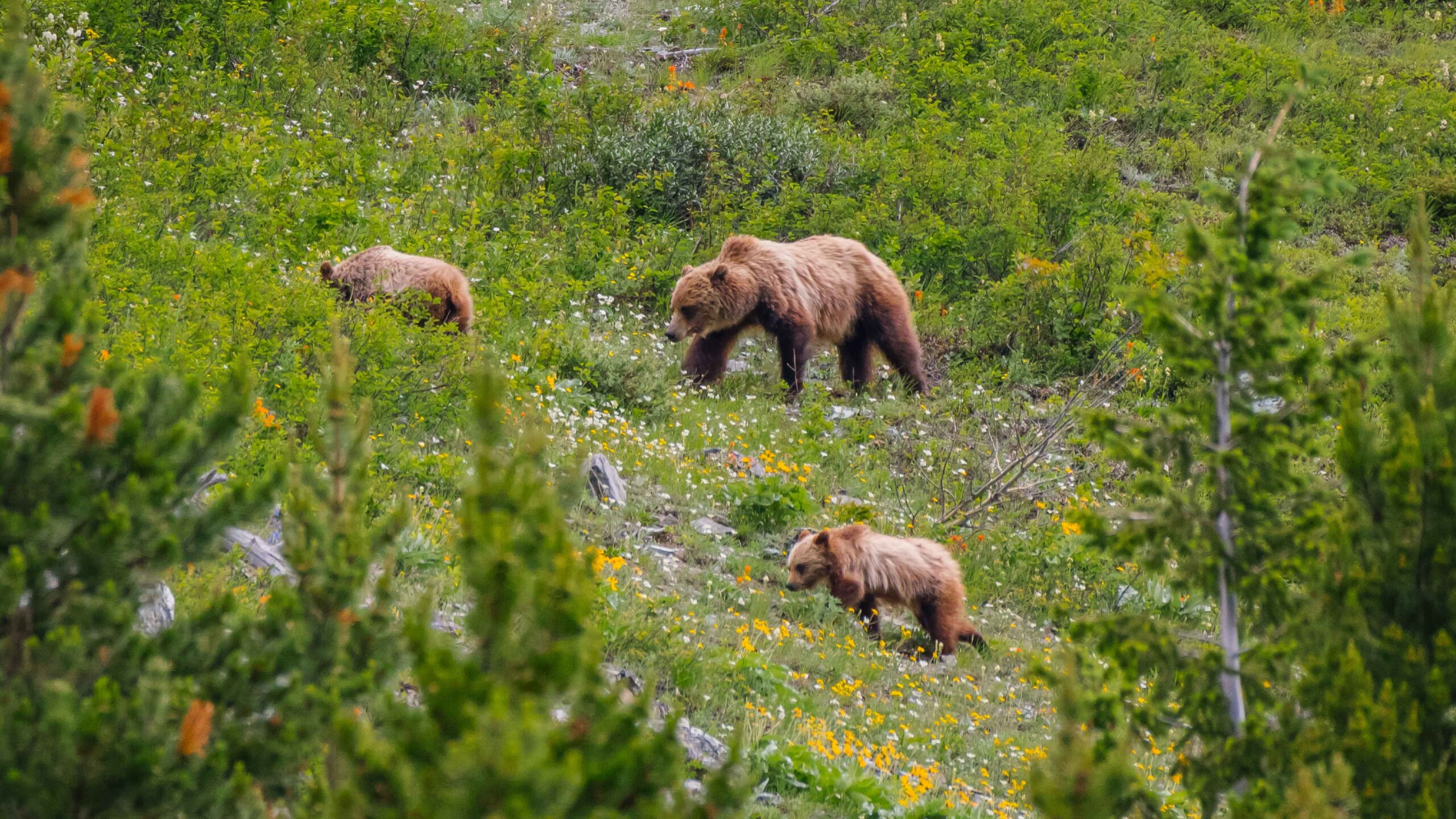
In North America, grizzly bears (Ursus arctos horribilis) used to be present across most of the western half of the continent, from Alaska’s Arctic coasts to the heart of modern-day Mexico (IUCN, 2017). An estimated 50,000 grizzlies once inhabited the lower 48 states, but a systematic campaign of extermination meant that by 1975 their numbers had dropped to as few as 700 to 800 individuals, across just 2 percent of the species’ historical range (USFWS, 2024). This saw the federal government list grizzlies as threatened under the Endangered Species Act.
Since their listing over 50 years ago, the number of grizzlies in the lower 48 has increased to approximately 2,300 individuals (USFWS, 2024: 237). The vast majority of these inhabit two designated recovery zones concentrated on public lands: the Greater Yellowstone and the Northern Continental Divide Ecosystems, with just over 1,000 grizzlies in each. Two other recovery zones—the Cabinet-Yaak and Selkirk Ecosystems—have not achieved their grizzly population targets, while the remaining two—the Bitterroot and North Cascades Ecosystems—have no resident grizzlies. Figure 1 shows the six grizzly recovery zones designated by the U.S. Fish and Wildlife Service, and estimated occupied ranges.
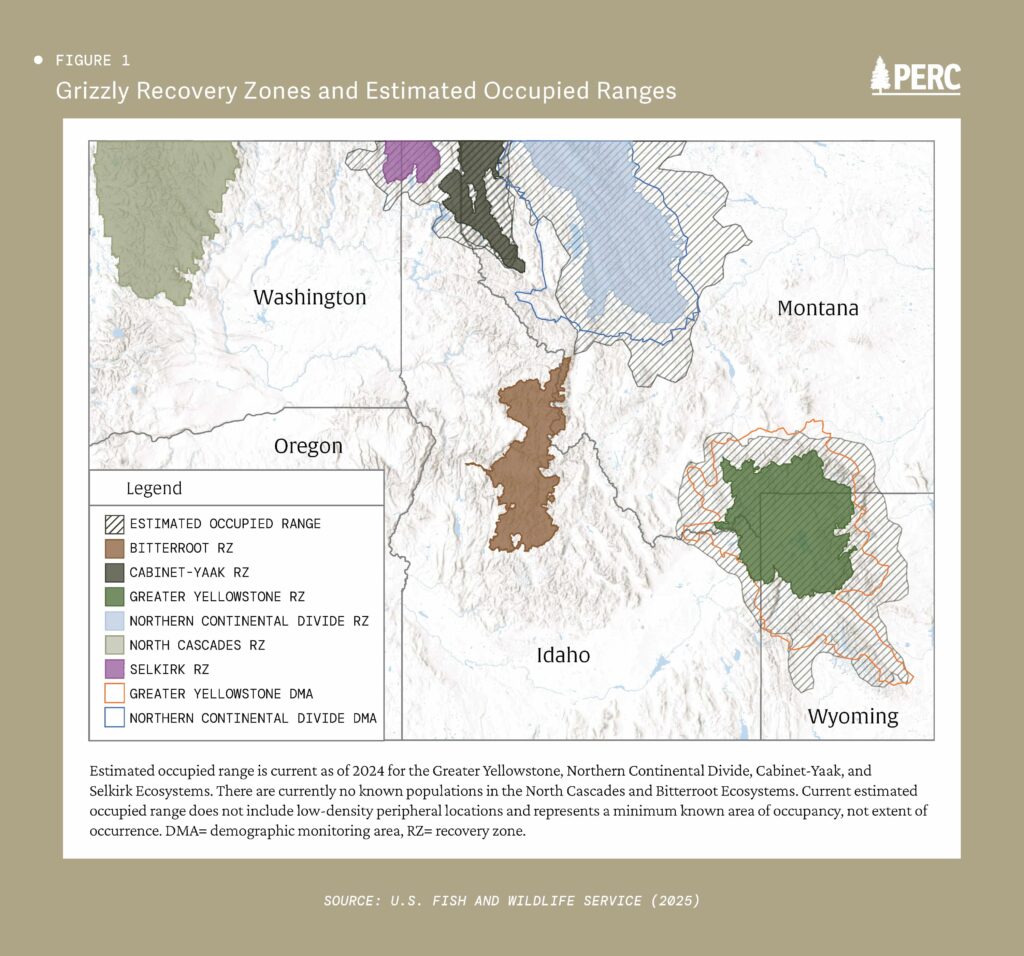
One reason that two recovery zones remain unoccupied by grizzlies is the relative lack of movement between populations. This lack of movement also means that, for example, the bears in the Greater Yellowstone Ecosystem are cut off from other grizzly populations, leading to low genetic diversity and an increased risk of inbreeding (Shafer, 2022). Ultimately, the last half a century of grizzly conservation in the lower 48 has been a partial success story. On the one hand, the total number of bears has approximately tripled, and the Greater Yellowstone Ecosystem is considered to have reached its natural carrying capacity—the maximum number of grizzlies it can support (van Manen et al., 2022: 74). On the other hand, some recovery zones remain unoccupied, and Yellowstone grizzlies remain genetically isolated from other populations.
Ongoing Grizzly Bear Recovery
Recovery zones and regulations have helped bolster populations in two of the six recovery zones, but they are not alone sufficient for the next stage of grizzly recovery, which will require improved connectivity (sufficient passage of bears between subpopulations to enable genetic exchange). For this, practitioners and policymakers need to account for the fact that private—mostly agricultural—lands are disproportionately important for grizzly connectivity (Sells & Costello, 2024).
Human-dominated landscapes in these connectivity zones can still be permeable to grizzlies, which is good news for the bears but can lead to conflict with the people who live, work, and recreate there. These difficulties are exacerbated by the fact that the cultural memory of living and working alongside grizzlies has largely been lost in these predominantly agricultural areas.
A wide variety of tools are required to mitigate such conflict. Many key connectivity areas have already seen a suite of these tools deployed, such as securing or removing livestock carcasses, trash cans, beehives, and other predator attractants; employing range riding; using electric or virtual fencing; using livestock guard dogs; or lethally removing “problem” bears with a history of livestock predation. Some states offer an additional tool in the form of compensation to ranchers for livestock killed by certain predators, including grizzlies. Compensation for depredated livestock is dependent on livestock carcasses being found promptly and predation being verified, but this is particularly difficult in expansive landscapes with steep wooded slopes, heavy snowfall, and high densities of scavengers—including much of the Northern Rockies.
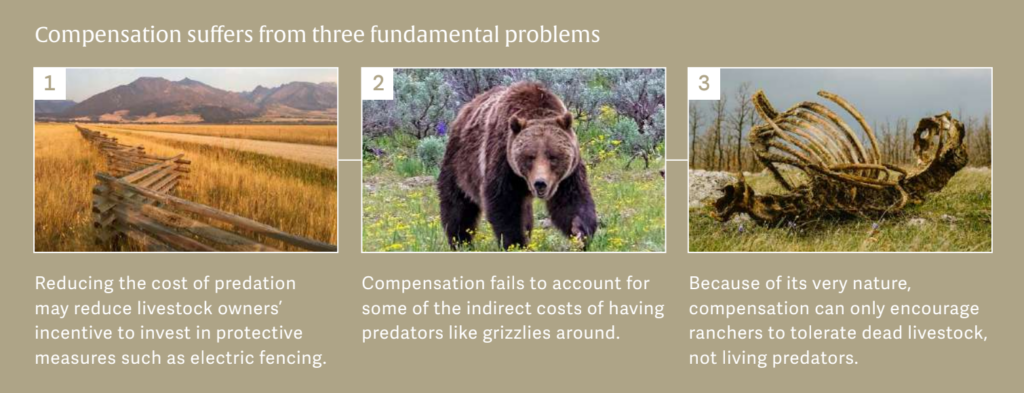
Compensation suffers from three fundamental problems. First, by reducing the cost of predation it may reduce livestock owners’ incentive to invest in protective measures such as electric fencing. Second, compensation fails to account for some of the indirect costs of having predators like grizzlies around. For example, livestock stressed by the presence of predators gain weight more slowly and have lower reproductive success, and producers often consider these costs to be more significant than losses from predation itself (Nickerson et al., 2025). This means that even when compensation for confirmed depredation is provided, predators can still be a net cost to livestock producers. Lastly, because of its very nature, compensation can only encourage ranchers to tolerate dead livestock, not living predators.
This is not to say that compensation approaches should be abandoned. For starters, compensation signals that wider society acknowledges the difficulties associated with working alongside large predators. Furthermore, compensation helps to keep ranching operations economically viable, which is crucial given the habitat and movement pathways that working landscapes provide for grizzlies and other wildlife. While many environmentalists, and some ranchers, argue that predation losses should simply be considered a cost of doing business, it is also true that many ranching operations provide habitat for grizzlies at significant personal cost. This is an example of how the benefits of grizzly presence—including the existence, cultural, and recreation values that many people place on having grizzlies in the lower 48—are largely misaligned with their costs, which accrue to those living and working alongside them. What is required is an approach that can help to realign these costs and benefits.
Paying for the Presence of Predators
If you want people to coexist with costly large predators, why not pay them to do so? This idea has been adopted across the world in the form of “payments for presence,” sometimes called “conservation performance payments” or “results-based payments.” Despite the range of names, the idea is simple: payments are made for the presence or abundance of certain species, such as a costly predator. In this way, coexistence is rewarded. By contrast, compensation is only used in response to a negative outcome, such as livestock predation.
The idea of paying for the presence of predators isn’t new—the Swedish government has paid Indigenous Sámi reindeer herders for the presence of wolverines, lynx, and wolves since 1996—but interest in this approach has greatly increased in recent years. Of the 20 programs that pay for predators around the world, 11 have started since 2020. Part of the reason for the growing interest in this approach is its cost-effectiveness (Ferraro & Kiss, 2002: 1719). Approaches that are less direct, such as habitat leases that pay a landowner a per-acre fee, can result in a version of “empty-forest syndrome,” where a seemingly healthy landscape belies a lack of predators (Wilkie et al., 2011: 122). In this situation, payments would be made without the desired conservation outcome being delivered. Figure 2 presents details for three programs across three different continents.
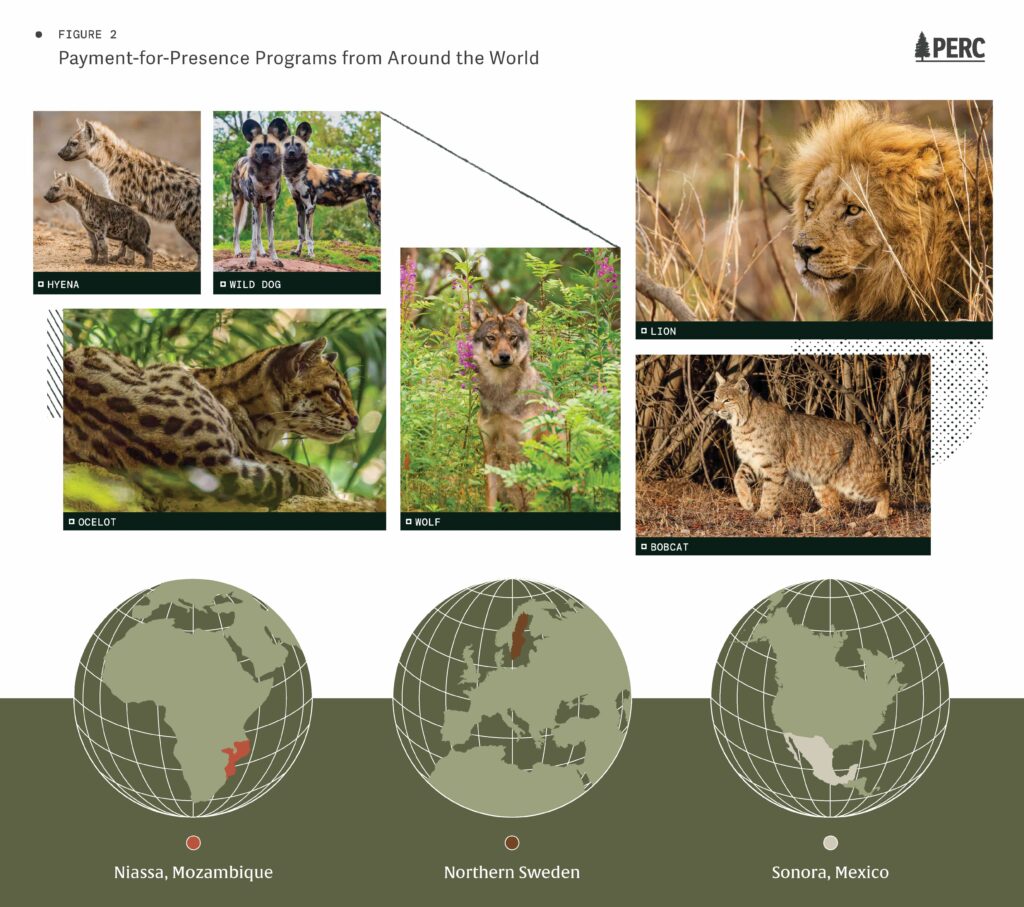
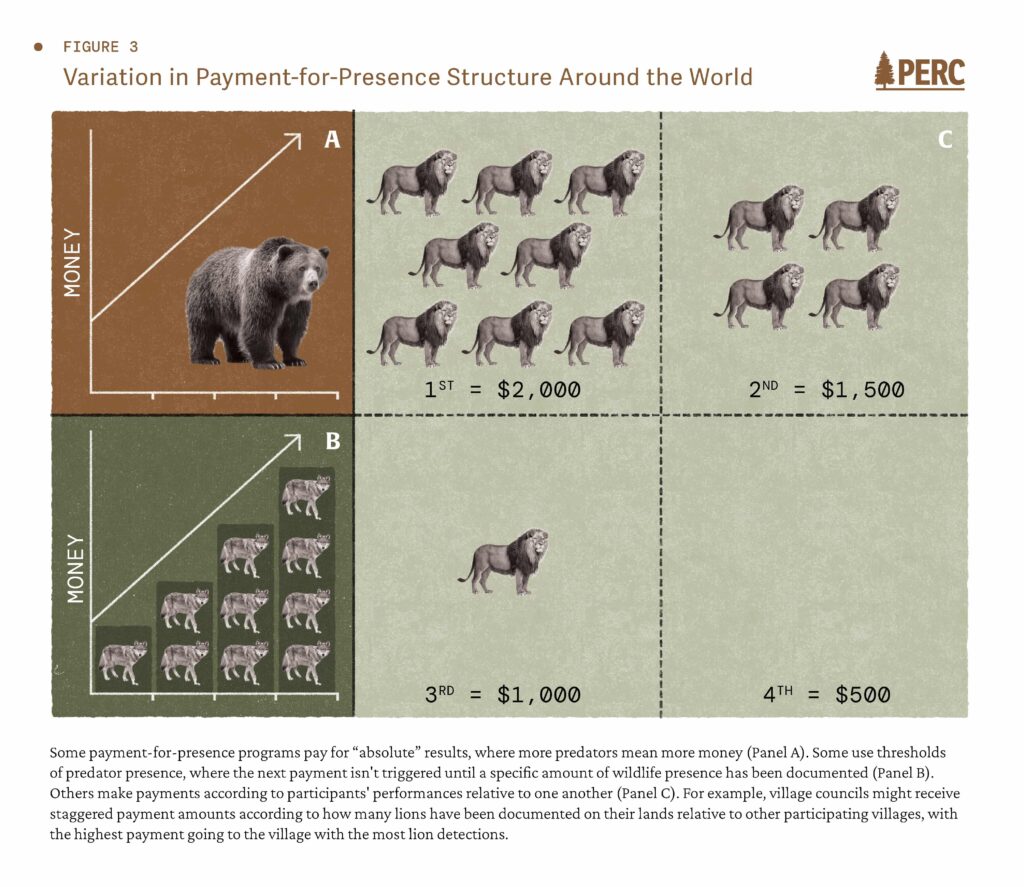
There is significant variation in how payment for presence programs operate around the globe, reflecting the diversity of ecosystems and governance systems involved. For example, payments are made for jaguars in Belize, lions in Mozambique, and Asiatic black bears in Taiwan. Fourteen of these programs are operated by nongovernmental organizations, four by governments, and two are joint government-NGO ventures. Some pay individuals, while others pay groups or communities. Moreover, as Figure 3 shows, there are several variations in the basic structure of such programs. Some pay for “absolute” results, where more predators mean more money (Panel A). Some use thresholds of predator presence (Panel B). And others make payments according to participants’ performance relative to one another (Panel C). These different payment systems all have their advantages and disadvantages (Hamm et al., 2025), but the simplest (“absolute”) version is by far most common, typically with a capped maximum payment amount.
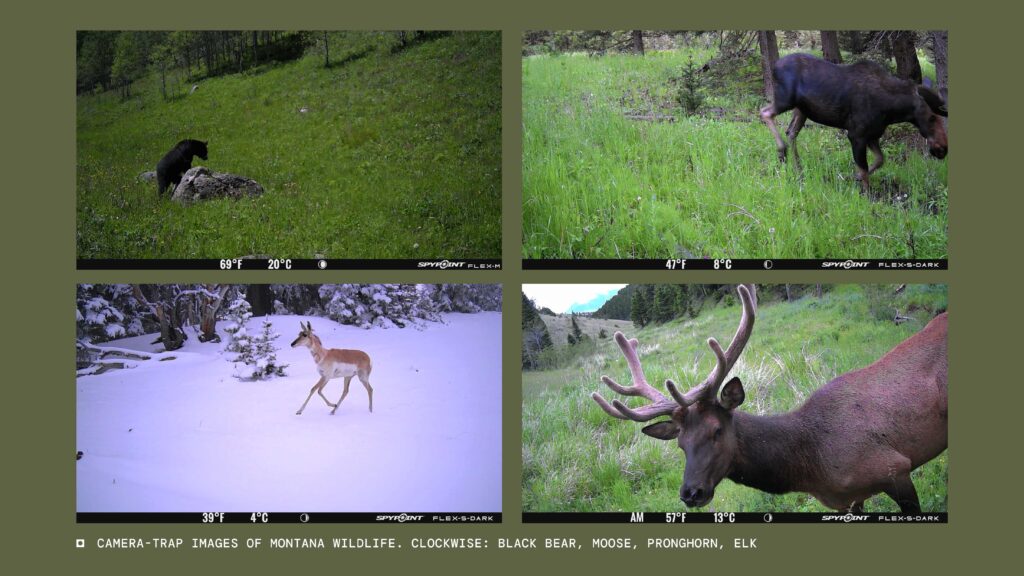
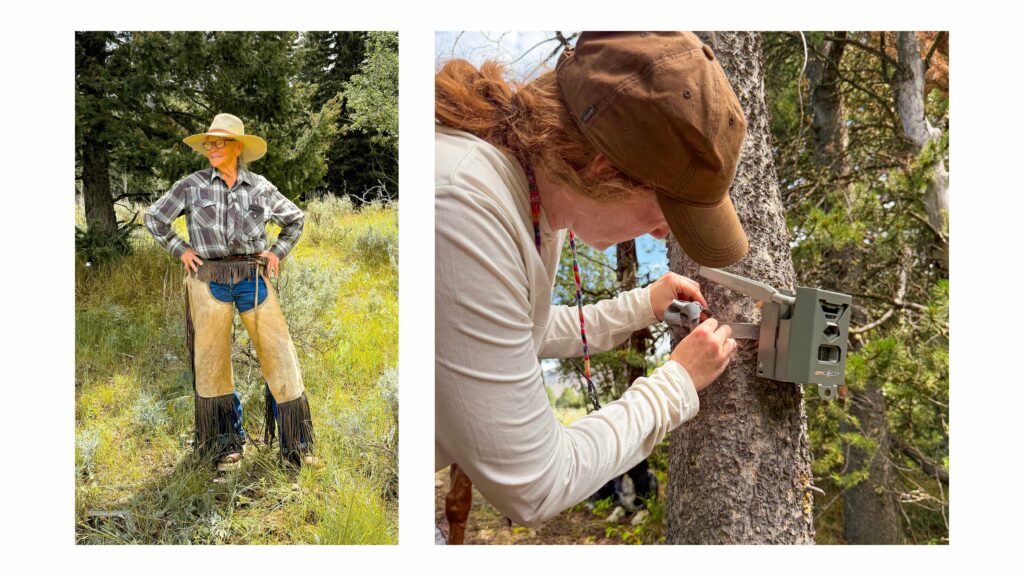
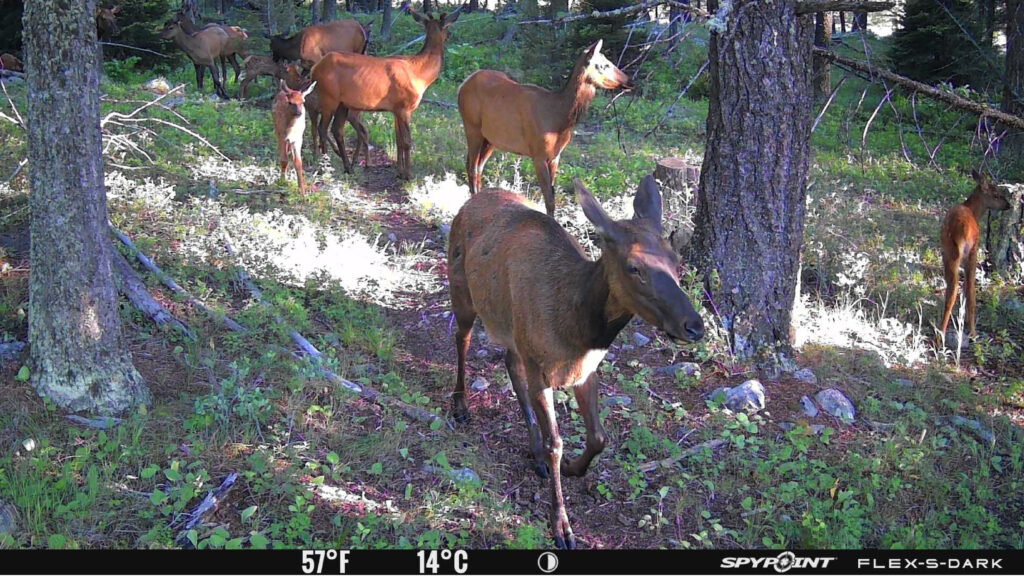
Predator presence is determined in a number of different ways: some high-tech (e.g., radio-collared lions, DNA sampling of wolverine scat), some low-tech (e.g., surveys of golden eagle nests). By far the most common approach, however, is the use of camera traps. Also known as game or trail cameras, these take a picture or a video when an animal walks past, and once placed in the field they can be left for extended periods of time. Some models even have built-in solar panels and can transmit the images to a phone, meaning that the often arduous task of replacing batteries and memory cards can be carried out less frequently.
In programs that pay according to absolute predator presence, the prices paid vary widely, even for the same species. For example, payments for mountain lions range from $56 to $250, jaguars between $125 and $280, and African lions between $25 and $180. The different pricing decisions reflect different socioeconomic contexts in which such programs operate. For example, a program operated in Mexico by the Northern Jaguar Project bases its payments on what has traditionally been offered as a bounty for dead jaguars. The idea is that because each individual jaguar can be pictured on multiple occasions, they are worth more alive than dead—a kind of “renewable bounty.” In Sweden, payments to Sámi reindeer herders are framed as compensation in advance, with rates for wolverines, lynx, and wolves based on predicted reindeer predation costs (Pettersson et al., 2026).
Payments for species can vary even within the same program. One Finnish scheme doubles payments for golden eagle territories in mountainous areas in recognition of the higher rates of livestock predation there, while payments for Formosan black bears and leopard cats in Taiwan are higher when wildlife-friendly farming practices are adopted. Similarly, payments for large predators in Kenya and Tanzania are higher when livestock enclosures are well maintained, as an incentive to reduce depredation rates. Some programs mandate that the payments must be spent on certain things, such as health insurance, school supplies, or veterinary medicines, whereas others impose no restrictions. Some schemes also include sanctions in the form of payment deductions, such as for killing wildlife or deploying snares or traps, and the frequency with which payments are made varies massively—from twice a month to twice a year.
Given the benefits of the pay-for-presence model and its wide adaptability across very different contexts, it’s no surprise that conservationists have applied it in several contexts in the United States. The model supports Mexican wolves in Arizona and New Mexico and Florida panthers in (you guessed it) Florida. And in north-central Montana, American Prairie’s Cameras for Conservation program pays participating landowners for the presence of at least 13 species, including bobcat, mountain lion, black bear, wolf, and wolverine. It would also pay for the presence of grizzlies, but none have been detected on the camera traps associated with the program (yet).
But what about the mountains and valleys of southwestern Montana, where grizzly presence on the periphery of Yellowstone National Park is much greater? There, PERC is implementing a first-of-its-kind payment for presence program focused on grizzly bears.
Case Study: Madison Valley, Montana
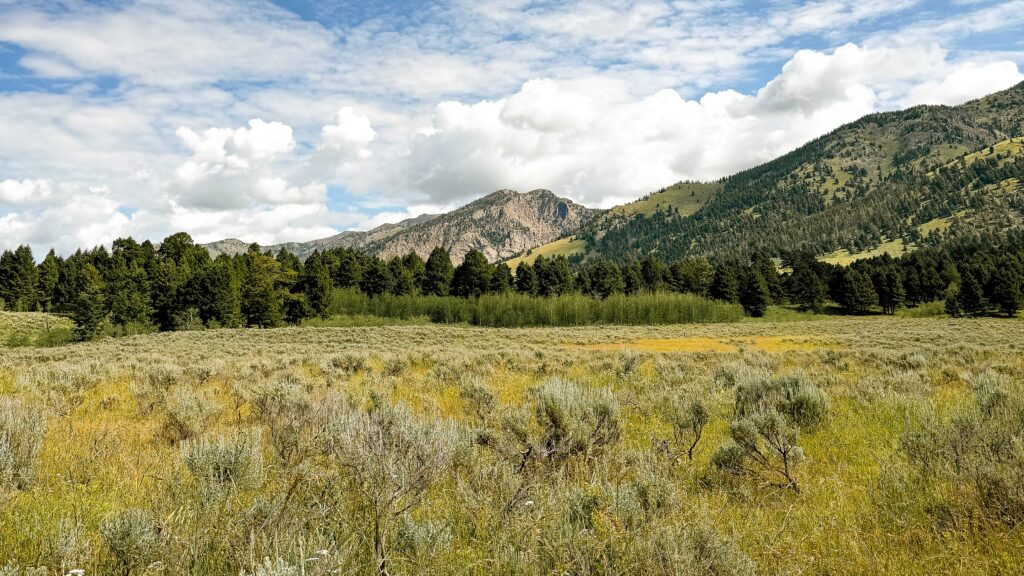
Montana’s Madison Valley runs north-south for about 60 miles, framed by snow-capped peaks on both sides. The cold, clean waters of the Madison River trundle down from Yellowstone National Park, attracting ospreys and anglers alike. Pronghorn graze the flats along the river while eagles soar on thermals until they’re just a dark pixel against the blue sky. Cattle pastures on the valley floor melt into sagebrush seas dotted with stands of cottonwood and aspen. Higher up on the slopes, forests of fir, spruce, and pine mingle with subalpine meadows. The wet mud of creek crossings and the dry dust of U.S. Forest Service roads reveal recent passages—hoofprints of elk, hoofprints of horses. Pawprints of dogs. Pawprints of bears.
The Madison Valley is lived in and loved by people; it is also immensely valuable for nature. The Madison Valley Ranchlands Group (MVRG) helps maintain this balance. For over 30 years, the group has brought together landowners, government agencies, and conservation organizations to support viable open working lands for productive agriculture, wildlife habitat, recreation, and watershed management.
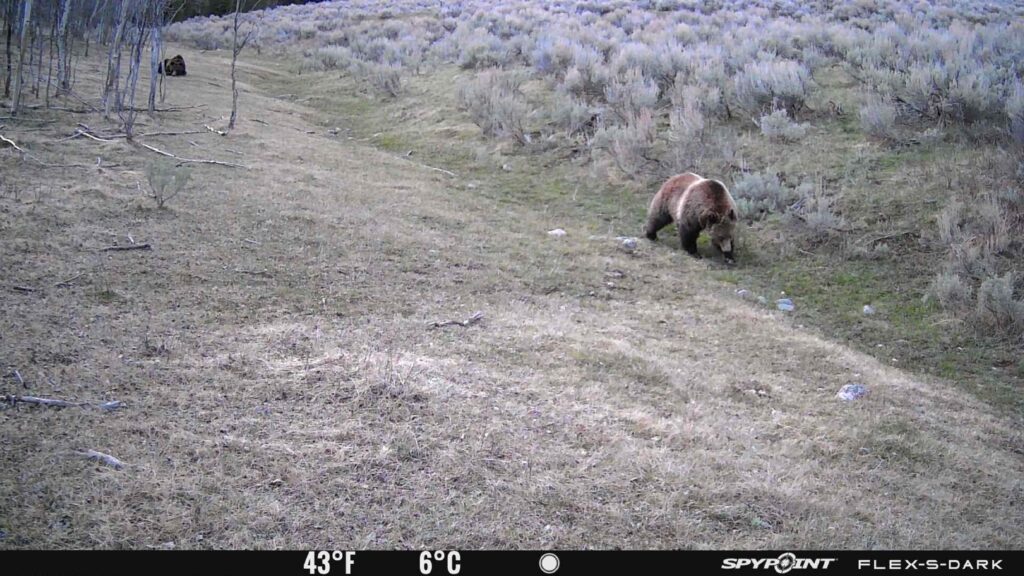
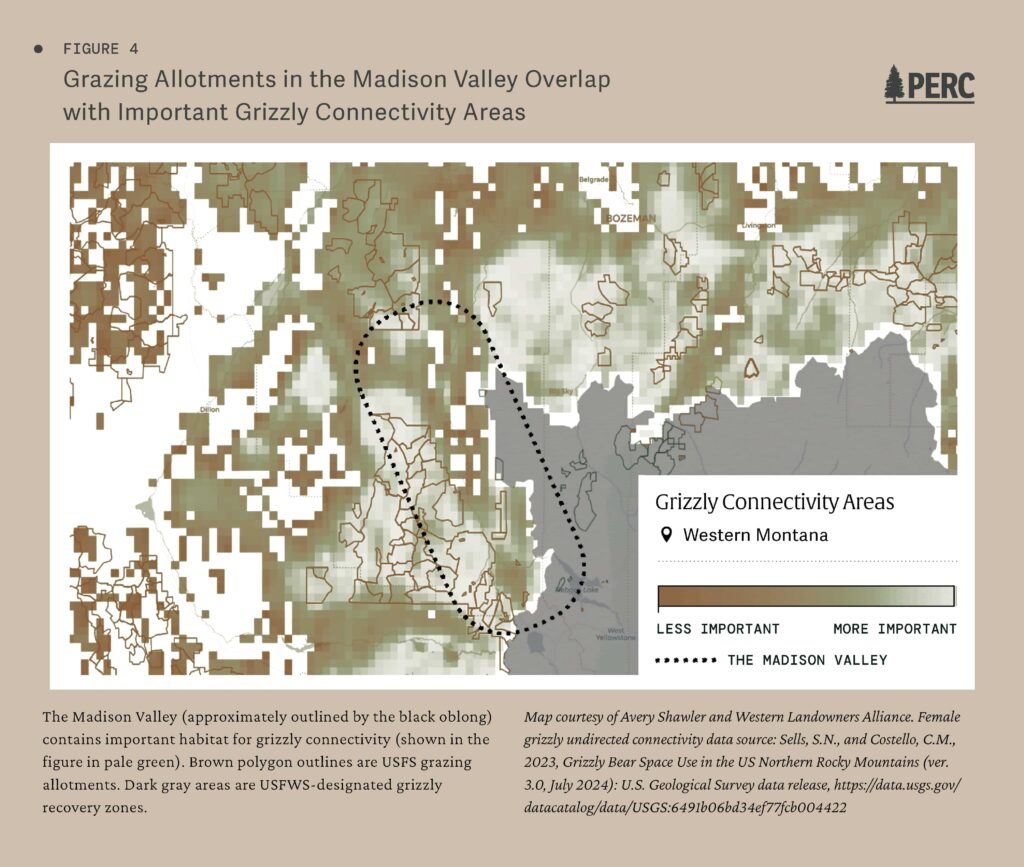
Like many ranching operations in western states, most of the 40 or so ranching members of the MVRG lease federal land, primarily Forest Service allotments, for summer grazing. While poorly managed grazing can be detrimental for ecosystems’ health, well-managed grazing can help maintain mountain biodiversity (De Gracia et al., 2026) and reduce wildfire severity by reducing a forest’s fuel load (Schachtschneider et al., 2024). Grazing allotment permittees agree to abide by Forest Service management conditions—including stocking rates and rotational grazing patterns—which reduce the risk of overgrazing. These grazing allotments are typically located up on the valley slopes, and the high-quality forage they provide over the summer months underpins the economic viability of members’ ranching operations; access to this summer grazing means that private ranchlands on the valley floor remain open working landscapes and continue to provide important wildlife habitat. Just like elsewhere across much of the American West, these grazing allotments provide crucial support for cattle ranching, biodiversity, and rural communities in the Madison Valley (Charnley et al., 2014). They also provide excellent grizzly habitat, as demonstrated by Figure 4.
Riding the Range
Grizzlies make ranching more difficult, more expensive, and more dangerous. They sometimes kill livestock, damage water infrastructure, and can even pose risk to people. Fortunately, the MVRG already employs tools to mitigate conflict with grizzlies, such as electric fencing, carcass collection, and range riding.
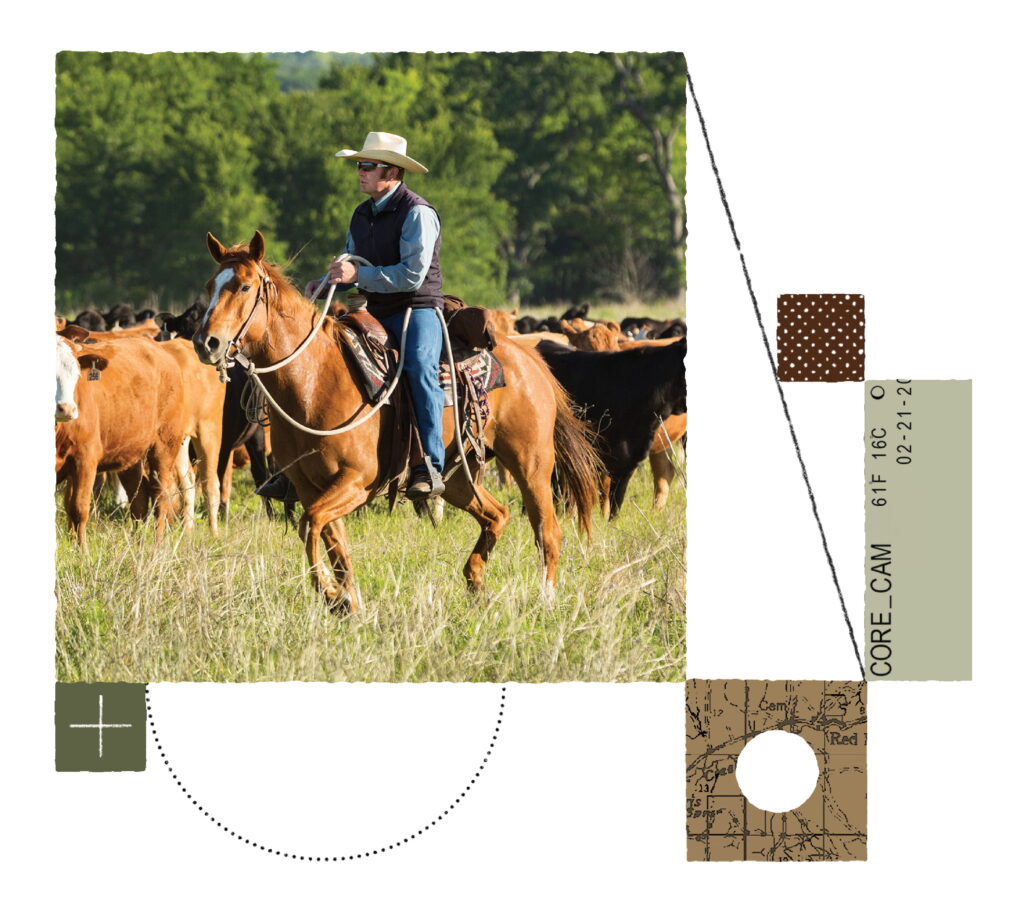
Range riding is, in short, human presence on rangelands. In the American West it is typified by the quintessential image of the cowboy. While it has a long history, the practice of range riding has shifted alongside changing social, ecological, and economic contexts. For European settlers, riding the range enabled control over resources and was intertwined with colonial dispossession (Smith et al., 2025). During the 19th century, cowboys were used to protect livestock and direct them to quality forage across the open western range. They also, like pastoralists the world over, sought to exterminate predators to protect and maximize their profits. By the early 20th century, the landscape had been “tamed” for livestock with the near extirpation of grizzlies and wolves in the lower 48 states, and so range riding became less prominent. By the latter half of the 20th century, however, public attitudes toward predators had shifted. Legal protections meant that predator populations began to expand back into their previous ranges, and livestock producers once again faced the challenges of living and working alongside predators. As a result, the role of the range rider was reborn in the “New West” (Smith et al., 2025).
The duties, goals, and impacts of 21st-century range riders straddle livestock husbandry and predator deterrence (Anderson et al., 2024). The presence of range riders deters grizzlies, and importantly, does not displace grizzly predation to less-protected herds (Louchouarn & Treves, 2023). Additionally, with their oversight of livestock over extensive areas, range riders can monitor livestock health and locate carcasses quickly. This is highly beneficial because grizzlies are attracted to dead livestock (Morehouse, 2016), and removing attractants from the landscape—such as through the MVRG’s carcass removal program—is likely to reduce conflict. In cases where livestock have been killed by predators, locating carcasses early also helps producers claim compensation from the Livestock Loss Board.
The presence of range riders deters grizzlies, and importantly, does not displace grizzly predation to less-protected herds.
Unlike other conflict-mitigation approaches, such as electric fencing, range riding is well suited to use on extensive public grazing allotments. Alongside deterring predators and monitoring livestock health, range riders provide other benefits to producers: they can spot water infrastructure problems and fencing issues when they arise, and direct cattle to quality forage and away from poisonous plants such as tall larkspur. In 2021, a range rider in southwestern Montana even discovered and extinguished a small wildfire before it could spread—highlighting the various benefits that greater human presence and observation can deliver (Harkness et al., 2022). Range riders can foster increased communication and trust in rural communities, and by sharing information regarding livestock and predator activity, they can promote collaboration and learning between producers, wildlife agencies, and the wider public (Smith et al., 2025).
More range riders are needed in western Montana (Harkness et al., 2022), but unfortunately there is a lack of stable, long-term funding sources (Parks and Messmer, 2016; Smith et al., 2025). The very success of range riding in reducing livestock predation even threatens its continued funding, as applicants may struggle to demonstrate the need for conflict mitigation—the so-called “paradox of prevention” (Smith et al., 2025).
The MVRG has received some federal funding for two range riders, but it does not cover all necessary expenditure and requires an element of “matched” financial contribution from another source. Difficulty securing matched funds is a common challenge for groups like the MVRG (Smith et al., 2025), but given the benefits of range riding, the MVRG’s other excellent conflict-reduction work, and the desire to support landowners providing critical grizzly habitat, PERC created a payment-for-grizzly-presence project with the group.
Paying for Grizzly Presence
In collaboration with MVRG Project Director Linda Owens, PERC designed a payment-for-presence program that provides the match funding for the group’s range riding. The design of the project incorporates lessons learned from my years studying pay-for-presence schemes around the world, and is tailored to the socioecological context of the Madison Valley. PERC believes that there are numerous international conservation success stories that can be adapted and harnessed in the U.S., with this just one such example.
The design of this project can be thought of as a virtuous cycle, as illustrated in Figure 5:
- Range riders place and monitor camera traps.
- Camera traps document grizzly presence.
- Payments are made to the Madison Valley Ranchlands Group based on grizzly presence, helping to fund range riding that reduces future conflict.
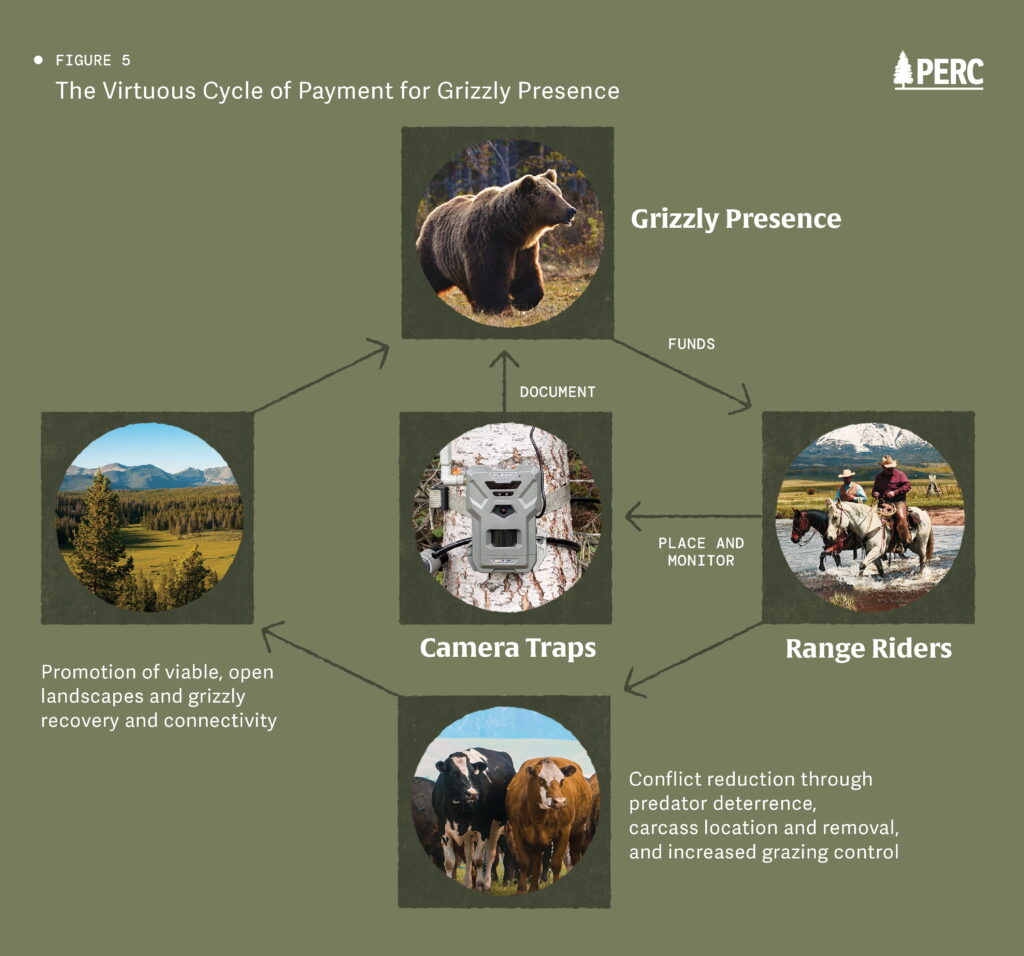
Each day in which a grizzly is detected on camera traps translates into a direct payment to the MVRG to help fund its range riding program, up to an annual cap of $20,000. These “grizzly day” payments are greater if an image contains multiple individuals—typically a sow with cubs—because the dispersal of reproductive females is particularly important for connectivity and recovery. For example, the Swedish payment-for-presence program was successful because it incentivized coexistence with reproductive female wolverines specifically (Persson et al., 2015). Because payments are tied to grizzly presence and not to conflict, the design avoids the “paradox of prevention,” with the program reducing conflict while rewarding the coexistence of ranching and grizzly bears.
The project is a three-year pilot and began in April 2026, with two range riders receiving training in the art and science of camera trapping. Together, PERC staff and range riders examined the landscape for bear sign, prioritized locations, and strategically set 27 camera traps across 15 Forest Service grazing allotments and private ranches, totaling over 115,000 acres. Throughout the summer grazing season, the range riders monitor these cameras monthly. If total payments exceed range riding costs, any surplus funding is put toward the MVRG’s carcass removal program, further strengthening the group’s conflict-reduction work in the valley.
PERC is exploring a potential collaboration to implement a comparable project with a ranching association in a neighboring valley that is similarly important for grizzly connectivity. This spatial coherence would allow the project to deliver conflict-reduction opportunities at scale, rewarding coexistence and promoting grizzly connectivity across a wider area of southwestern Montana. It would also afford PERC’s Conservation Innovation Lab the opportunity to experiment with slightly different program structures, adapting the approach in ways that best meet the unique needs and contexts of each valley.
Things to Bear in Mind
This project is proof of concept that not only can the pay-for-presence model be harnessed for predators in the American West, but, novelly, that it can be integrated into and enhance existing conflict-reduction strategies. Ideally, demonstrating that the payment-for-presence model can bolster conflict-mitigation efforts will spur other conservation practitioners to adopt and adapt such an approach to their own contexts.
By engaging with the Madison Valley Ranchlands Group early and with open minds, PERC co-developed a project that is already showing tangible signs of success for livestock producers and grizzly bears alike. However, the likelihood of getting the project’s design perfect from the start is low, so we are excited to see what lessons we learn from our collaboration and how we might adapt in the future. It may even turn out that technological advances—such as the ability to identify individual bears from camera-trap images (BearID Project, 2026)—mean that the project can evolve as new approaches become viable.
While this project aims to deliver positive outcomes in one corner of southwestern Montana, grizzly recovery in the lower 48 states necessarily requires a broader view. It might seem that such scale renders the pay-for-presence model unviable, but the Swedish program that pays reindeer herders for presence of wolverines, lynx, and wolves covers the entire northern half of the country (Pettersson et al., 2026), as does a similar scheme in neighboring Finland targeting golden eagles (Suvantola, 2013). These examples show that the pay-for-presence model can indeed operate at scale—if it can be funded.
With its ability to translate high national or global valuations of species into effective local cost reduction, the pay-for-presence model can help rectify the cost-benefit imbalances that characterize much of carnivore conservation.
Most payment-for-presence programs are funded by nongovernmental organizations, and they can often struggle to source sustainable long-term funding (Hamm et al., 2025). But government funding is not necessarily better—the Swedish scheme has lost legitimacy in part because human-predator conflict is not a government priority and so is not adequately funded (Pettersson et al., 2026). It might be possible to fund a scaled-up grizzly program through tourism levies from nearby Yellowstone National Park (Middleton et al., 2021; Byerly Flint et al., 2025), which would then help support communities burdened by the very wildlife that attracts nearly five million annual visitors (National Park Service, 2026). Some predator conflict-reduction activities elsewhere in the U.S. are even funded through the sale of predator-focused license plates (Outside Magazine, 2026).
Alternatively, the pay-for-presence model could be funded through the sale of biodiversity credits (Dickman et al., 2025), and large, charismatic predators could be a promising focus given their public appeal and indication of broader ecosystem health (Natsukawa and Sergio, 2022). Similarly, a focus on the conservation of large predators can also deliver climate “wins” that could open up an alternative funding stream. For example, an Indian tiger conservation initiative avoided emissions with a carbon offset value of an estimated $6.2 million (Lamba et al., 2023). Regardless of specific strategies to scale up payment-for-presence programs, it is crucial that the focus on “marketable” species like grizzlies—even when done with the best of intentions—does not diminish the importance that society places on the resilient, biodiverse ecosystems that sustain them. The pay-for-presence model complements, but does not replace, environmental policy and conservation work that considers ecosystems in their entirety.
Any potential scaled-up payment-for-presence program would have to contend with the fact that there is no objective answer for the “correct” number of grizzlies in the lower 48 states. It could be that specific, locally targeted goals are used: For example, Montana’s state grizzly plan includes the ambition of a recovered grizzly population in the Bitterroot Ecosystem (although it lacks detail on how). Or perhaps a broader definition of a healthy meta-population that has achieved the three ecological “R’s”—resiliency, redundancy, and representation—could be determined (USFWS, 2024), and payments could taper as the target approaches. In Sweden, there are minimum and maximum population targets for carnivores in each county, as well as a level for the maximum “tolerable” rate of livestock predation. These are meant to enable adaptive governance of the pay-for-presence scheme, but in practice they often conflict due to the difficulty in preventing predation on semi-domesticated reindeer in remote areas (Pettersson et al., 2026). Similar guiding targets may yet be worth considering in the context of grizzlies in the lower 48, so long as they are based on the best available science.
The pay-for-presence model is not a panacea, and continued coexistence between people and grizzlies requires a broader societal effort that includes other conflict-mitigation tools. Importantly, focus must be given to areas that are currently largely without grizzlies but likely represent the next stage of grizzly range expansion and recovery. (In southwestern Montana, these include the Big Hole and Tobacco Roots.) In these areas, a pay-for-presence model would have nothing to pay for yet—you can’t pay for what isn’t there. But the Greater Yellowstone and Northern Continental Divide grizzly populations are edging closer together, and most of the connectivity areas between them is private land. Laying the groundwork for a program could help prepare local communities for the populations to connect. Policymakers and conservationists should think about how to provide conflict-reduction support in such areas proactively, rather than reactively, to ensure that these landscapes can continue to deliver for both ranching and wildlife. Recent announcements that grizzly management is to be shifted from federal to state agencies (FWP, 2026) may open the door to providing more locally tailored support, including to existing community groups who are well-placed to deliver effective conflict mitigation in their areas.
The adaptability, cost-efficiency, and simplicity of the pay-for-presence model mean it is attracting increasing interest from around the world (Hamm, 2025). With its ability to translate high national or global valuations of species into effective local cost reduction, it can help rectify the cost-benefit imbalances that currently characterize much of carnivore conservation. There is not, however, a one-size-fits-all design. Practitioners considering implementing this approach should learn from similar schemes around the world, while adapting their design to their unique local context. A strength of our project with the MVRG is that payments are integrated into pre-existing conflict-reduction work that needed support, but such contextual fine tuning may not always be possible or pragmatic. Nevertheless, the pay-for-presence model has great potential and broad applicability; the next chapter of PERC’s work will explore promising candidate species and socioecological contexts elsewhere across the American West and, potentially, beyond.
How it Works
- PERC launched the three-year pilot in April 2026 with the Madison Valley Ranchlands Group.
- 27 camera traps monitor more than 100,000 acres of private ranchland and federal grazing allotments.
- Each day that yields a verified grizzly detection earns payments for the group.
- Payments are capped at a total of $20,000 a year.
- The money funds predator conflict-prevention measures such as range riders, who patrol the landscape and deter predation, manage grazing patterns, and find carcasses before they attract grizzlies.
- In its first season, the program documented grizzly bears for more than 20 days and generated more than $12,000 for conflict-reduction work in the Madison Valley.
References
Anderson, R. M., Charnley, S., Martin, J. V., & Epstein, K. (2024). Large, rugged and remote: The challenge of wolf–livestock coexistence on federal lands in the American West. People and Nature. Early View.
BearID Project. (2026). BearID Project: About the project. Available from: https://bearresearch.org/ [Accessed July 9th 2026].
Byerly Flint, H., Enriquez, A. J., Bennett, D. E., Richardson, L., & Middleton, A. D. (2025). Tradeoffs and win‐wins between large landscape conservation and wildlife viewing in protected areas. Conservation Science and Practice, 7(6), e70051.
Charnley. S., Sheridan T. E., & Sayre, N. (2014) Status and trends of western working landscapes. In: S. Charnley, T.E. Sheridan, G. Nabhan (Eds.) Stitching the West Back Together: Conservation of Working Landscapes. The University of Chicago Press: Chicago, pp. 13-32.
De Gracia, C., Oro, D., Ubach, A., Guardiola, M., Sanosa-Cols, P., & Stefanescu, C. (2026). Grazing legacy shapes biodiversity: Impacts on plant and butterfly communities across successional stages in subalpine ecosystems. Journal of Environmental Management, 404, 129434.
Dickman, A., Cotterill, A., Asecheka, S., Mlaponi, Z., Mbugi, H., Grau, A., Mtandamo, W., Nyausi, G., & Cascio, B. (2025). Community camera trapping: A novel method for encouraging human–big cat coexistence on human‐dominated land. Wildlife Letters, 3(1), 22-29.
Ferraro, P.J. & Kiss, A. (2002). Direct payments to conserve biodiversity. Science. 298, 1718-1719.
FWP (2026). Governor Gianforte, Secretary Burgum Announce Grizzly Bear Management Returns to the States. Available online [accessed July 22nd 2026]: https://fwp.mt.gov/homepage/news/2026/july/0715-governor-gianforte-secretary-burgum-announce-grizzly-bear-management-returns-to-the-states
Hamm, J., Holmes, G., Mabele, M. B., & Martin‐Ortega, J. (2025). “Milking the lions”: An analysis of conservation performance payments in eastern and southern Africa. Conservation Science and Practice, 7(3), e70015.
Hamm, J. (2025b). Paying for the presence of predators: conservation performance payments in theory and practice. PhD thesis. University of Leeds. Available from: https://etheses.whiterose.ac.uk/id/eprint/37921/
Harkness, E., Maplethorpe, K., McNamara, A. & Choi, M. (2022). Locally-Led Conflict Reduction Needs Assessment: A report for the Landowner-Led Conflict Reduction Partnership.
IUCN (2017). Brown bear (Ursus arctos). Available from: https://www.iucnredlist.org/ja/species/41688/121229971 [Accessed April 26th, 2026].
Lamba, A., Teo, H. C., Sreekar, R., Zeng, Y., Carrasco, L. R., & Koh, L. P. (2023). Climate co-benefits of tiger conservation. Nature Ecology & Evolution, 7(7), 1104-1113.
Louchouarn, N. X., & Treves, A. (2023). Low-stress livestock handling protects cattle in a five-predator habitat. PeerJ, 11, e14788.
Middleton, A. D., Stoellinger, T., Karandikar, H., Leonard, B., Doremus, H., & Kremen, C. (2021). Harnessing visitors’ enthusiasm for national parks to fund cooperative large‐landscape conservation. Conservation Science and Practice, 3(2), e335.
Morehouse, A. T. (2016). Grizzly bear population ecology and large carnivore conflicts in southwestern Alberta. PhD thesis, University of Alberta. Available at: https://ualberta.scholaris.ca/items/4084418e-213e-4efc-8cc6-3e777f708882.
National Park Service (2026). Yellowstone National Park Sees 4,762,988 Visits in 2025. Available online [accessed 21st July 2026]: https://www.nps.gov/yell/learn/news/26004.htm.
Natsukawa, H., & Sergio, F. (2022). Top predators as biodiversity indicators: A meta‐analysis. Ecology Letters, 25(9), 2062-2075.
Nickerson, R., Hoag, D., Evangelista, P. H., Niemiec, R., Few, A., & Breck, S. W. (2025). US livestock producer interest in alternatives to compensation programs for wolf depredation. Human Dimensions of Wildlife, 30(6), 687-702.
Outside Magazine (2026). Colorado’s Wolf Reintroduction Hasn’t Gone to Plan. Are These Cowboys Its Last Hope? Available online [accessed July 22nd 2026]: https://www.outsideonline.com/outdoor-adventure/environment/colorado-wolf-reintroduction-range-riders/?scope=initial
Parks, M., & Messmer, T. (2016). Participant perceptions of Range Rider Programs operating to mitigate wolf–livestock conflicts in the western United States. Wildlife Society Bulletin, 40(3), 514-524.
Persson, J., Rauset, G. R., & Chapron, G. (2015). Paying for an endangered predator leads to population recovery. Conservation Letters, 8(5), 345-350.
Pettersson, H. L., Aronsson, M., & Persson, J. (2026). The paradox of success in conservation performance payments: rising costs and declining trust in Sweden’s carnivore policy. Conservation Letters, 19, e70057.
Schachtschneider, C. L., Strand, E. K., Launchbaugh, K. L., & Jensen, S. (2024). Targeted cattle grazing to alter fuels and reduce fire behavior metrics in shrub-grasslands. Rangeland Ecology & Management, 96, 105-116.
Sells, S. N., & Costello, C. M. (2024). Predicting future grizzly bear habitat use in the Bitterroot Ecosystem under recolonization and reintroduction scenarios. Plos one, 19(9), e0308043.
Shafer, C. L. (2022). A Greater Yellowstone Ecosystem grizzly bear case study: genetic reassessment for managers. Conservation Genetics Resources, 14(3), 331-345.
Smith, A. P., Martin, J. V., Kwait, T., Anderson, R. M., Epstein, K., Charnley, S., & Gosnell, H. (2025). Cowboying for coexistence? Range riding in the New West. Frontiers in Conservation Science, 6, 1648815.
Suvantola, L. 2013. The golden eagle compensation scheme in Finland as an example of incentive measures. Human-Wildlife Conflicts in Europe. Berlin: Springer, pp.201-214.
USFWS. 2024. Species Status Assessment for the Grizzly Bear (Ursus arctos horribilis) in the Lower-48 States. Version 2.2. Missoula, Montana.
USFWS (2025). Grizzly Bear Listing on the List of Endangered and Threatened Wildlife with a Revised Section 4(d) Rule. Available from: https://www.fws.gov/sites/default/files/documents/2025-01/20250103_proposed_rule_grizzly_dps_w_p4d_signed_agency_preliminary_corrected_meetings.pdf [Accessed April 26th, 2026].
van Manen, F. T., Haroldson, M. A., Karabensh, B. E. (2022). Annual report of the Interagency Grizzly Bear Study Team. Available from: https://igbconline.org/grizzly-bear-study-team/ [Accessed April 26th, 2026].
Wilkie, D.S., Bennett, E.L., Peres, C.A. and Cunningham, A.A. (2011). The empty forest revisited. Annals of the New York Academy of Sciences. 1223(1), 120-128.
Wolf, C., & Ripple, W. J. (2017). Range contractions of the world’s large carnivores. Royal Society Open Science, 4(7).