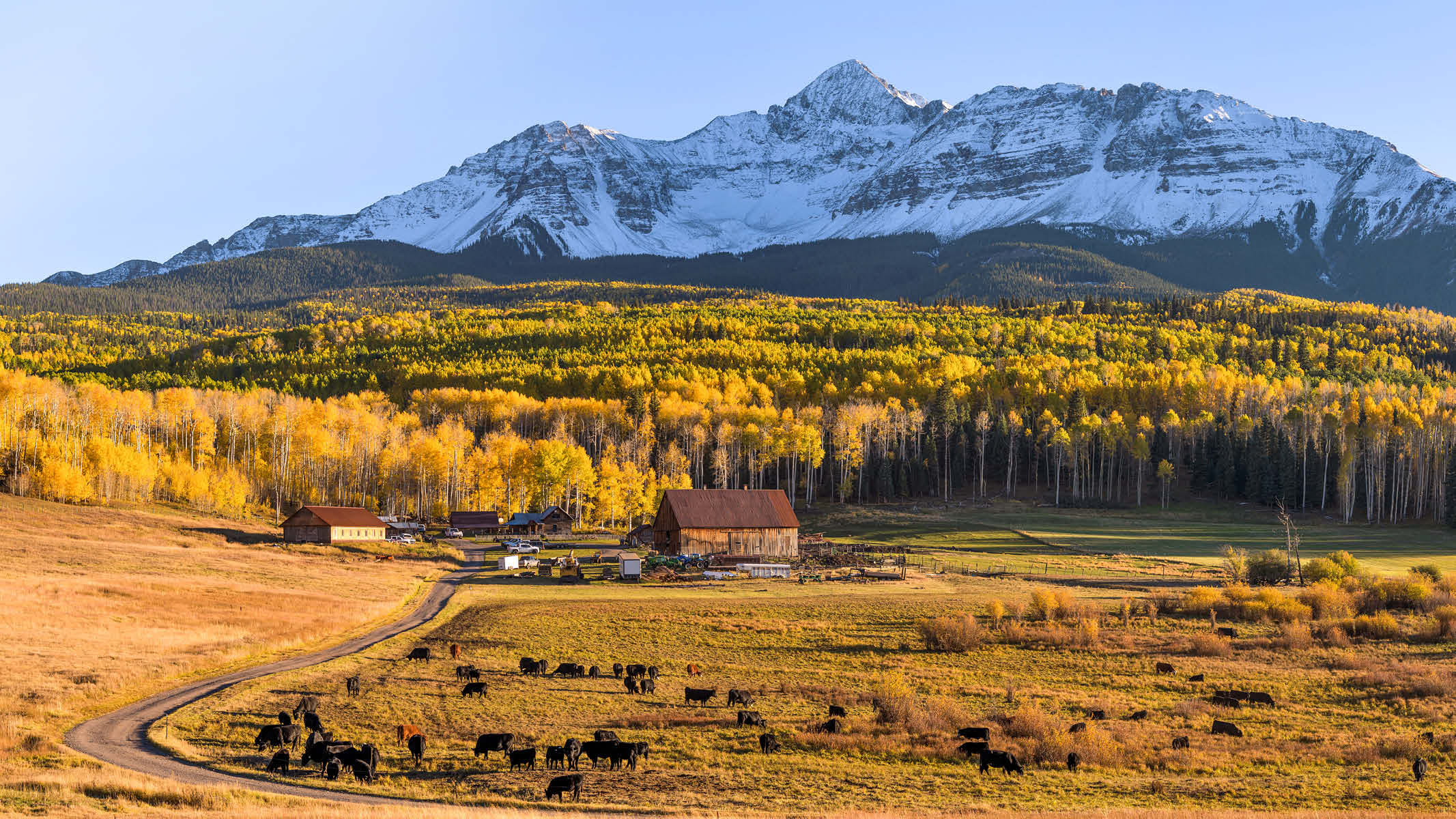
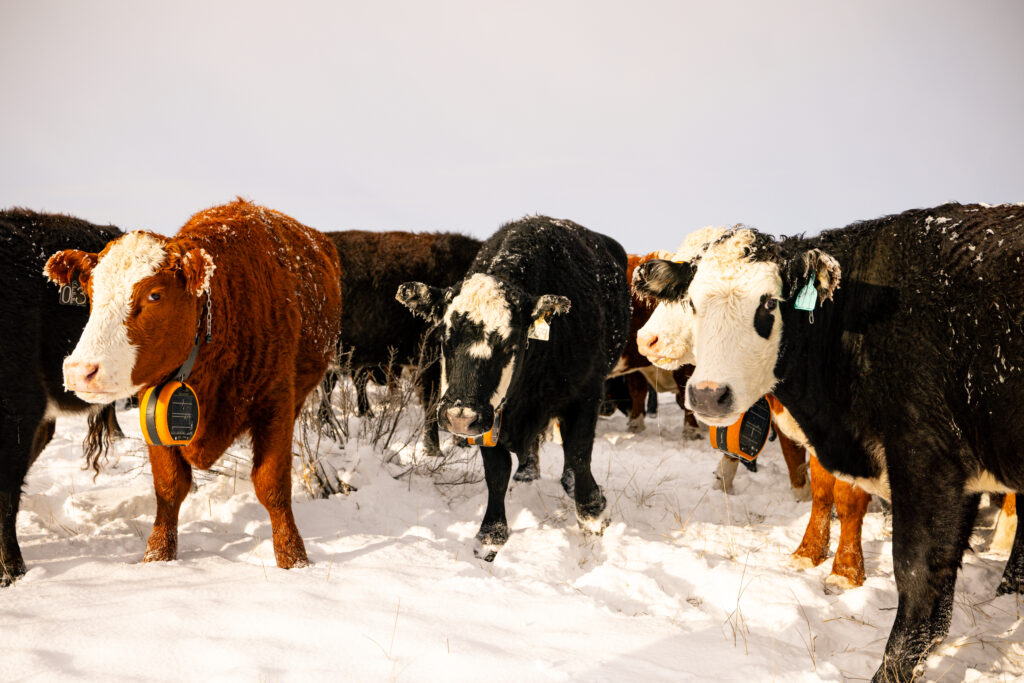
Anyone who grew up on a family farm or ranch knows that fence work is never complete. It breaks, sags, drifts, and disappears under snow. And somehow, fence repair always seems to fall on blizzard days, holidays, or the hottest afternoon of the year. And that’s just one of the many back-breaking, never-ending jobs that defined my childhood and life on working land.
Those daily burdens add up. Combined with increasingly thin margins, they are pushing younger people away from agriculture. In 2024, more than half of American farmers and ranchers reported operating at a loss. Today, the average U.S. farm or ranch owner is 58 years old. Meanwhile, the number of farmers and ranchers between the ages of 35 and 64 declined by nearly 10 percent between 2017 and 2022.
This is not just a demographic trend. It is a quiet conservation crisis.
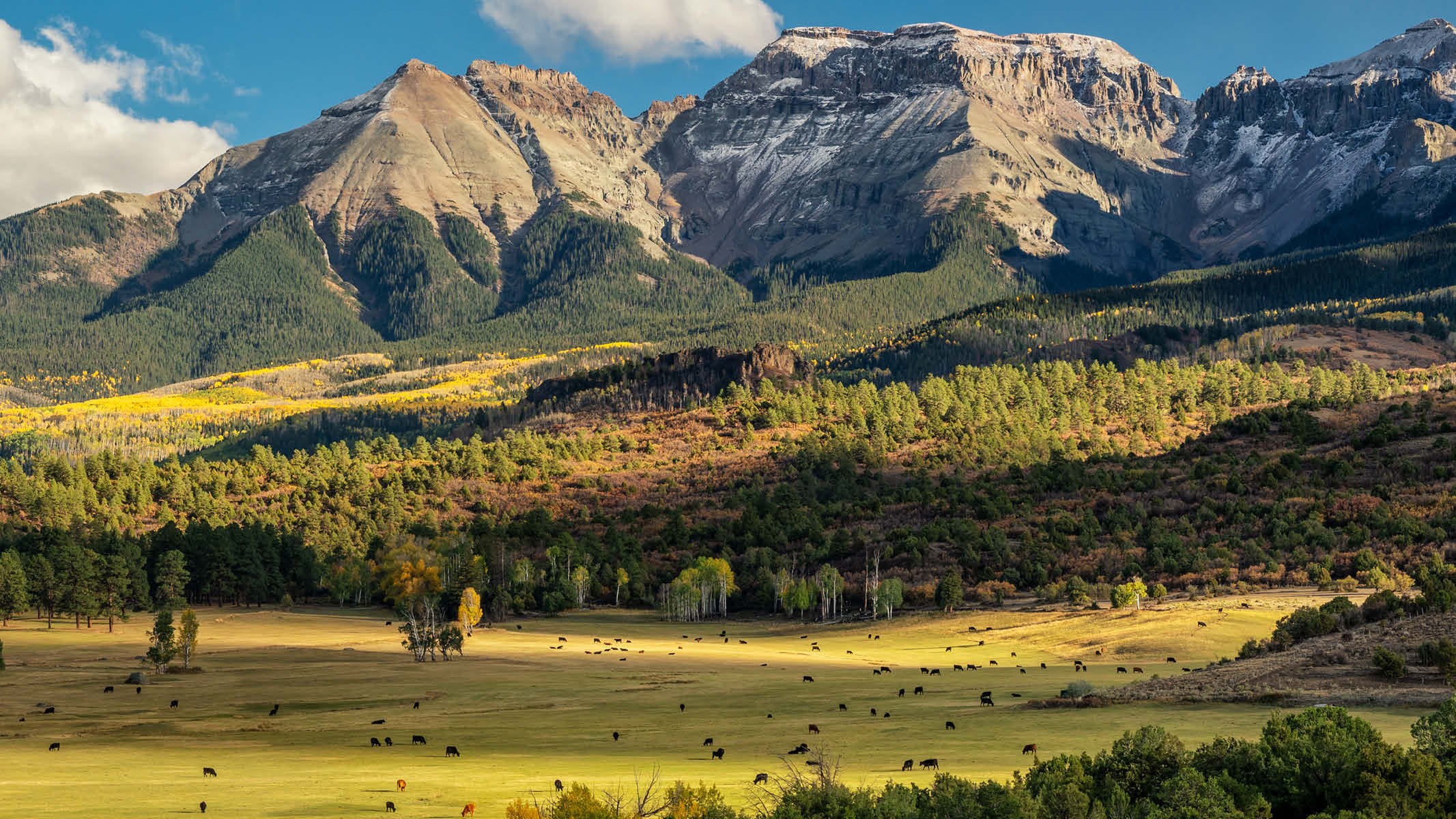
As older landowners retire, many have no successor ready to step in. When ranches do not transfer to the next generation, they are far more likely to be subdivided or converted to non-open space. According to the American Farmland Trust, nearly 300 million acres of U.S. farm and ranchland, almost the size of Alaska, are expected to change hands in the coming decades. What happens to that land will shape wildlife habitat, water resources, rural communities, and open spaces across the country. If conservation depends on keeping land intact and working, then keeping ranching viable for the next generation matters more than ever.
Virtual fencing offers a promising new tool to meet the challenge. This emerging technology simplifies ranch management, reduces physical labor, and provides a level of flexibility that those stubborn traditional fences could never match.