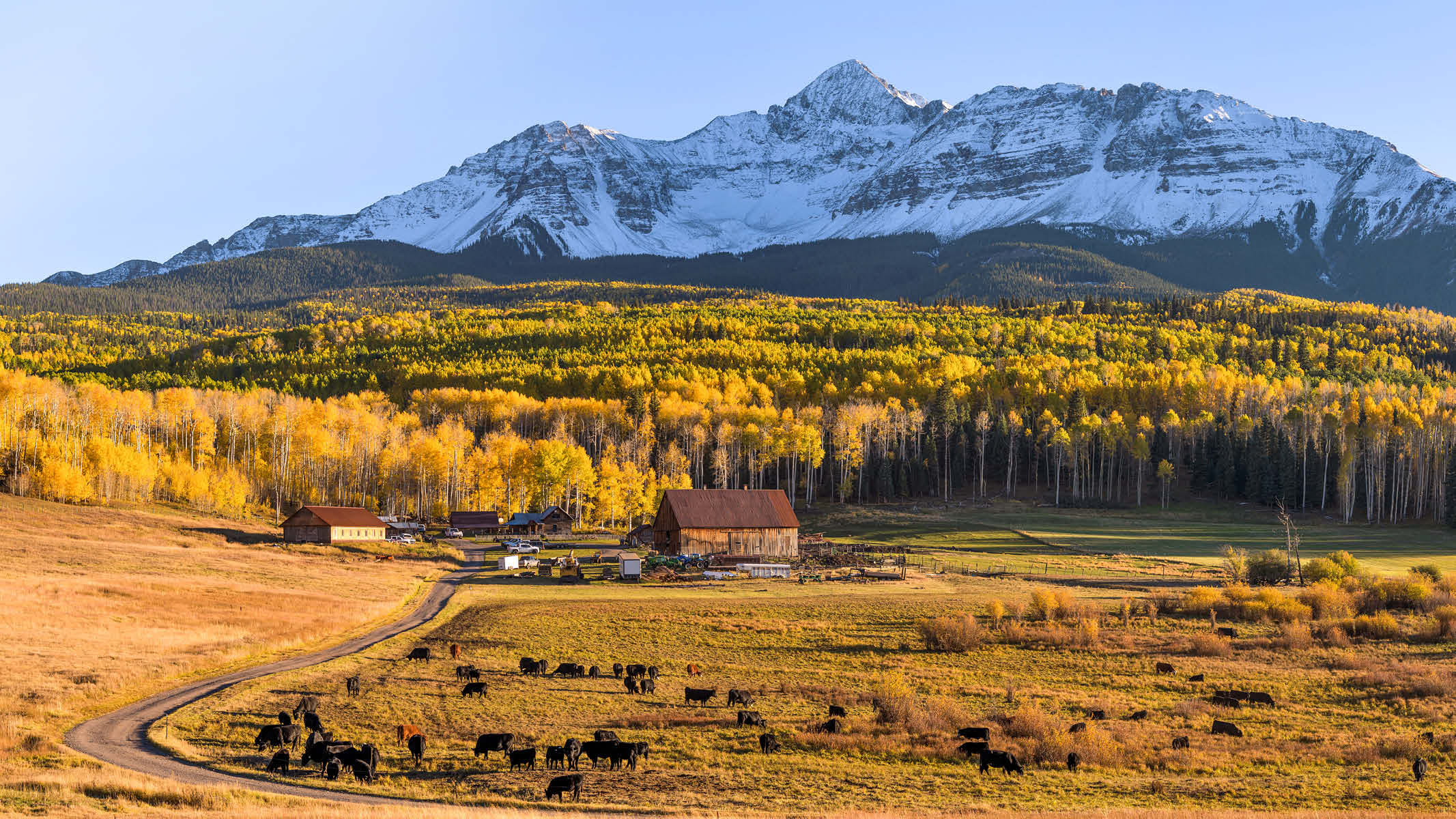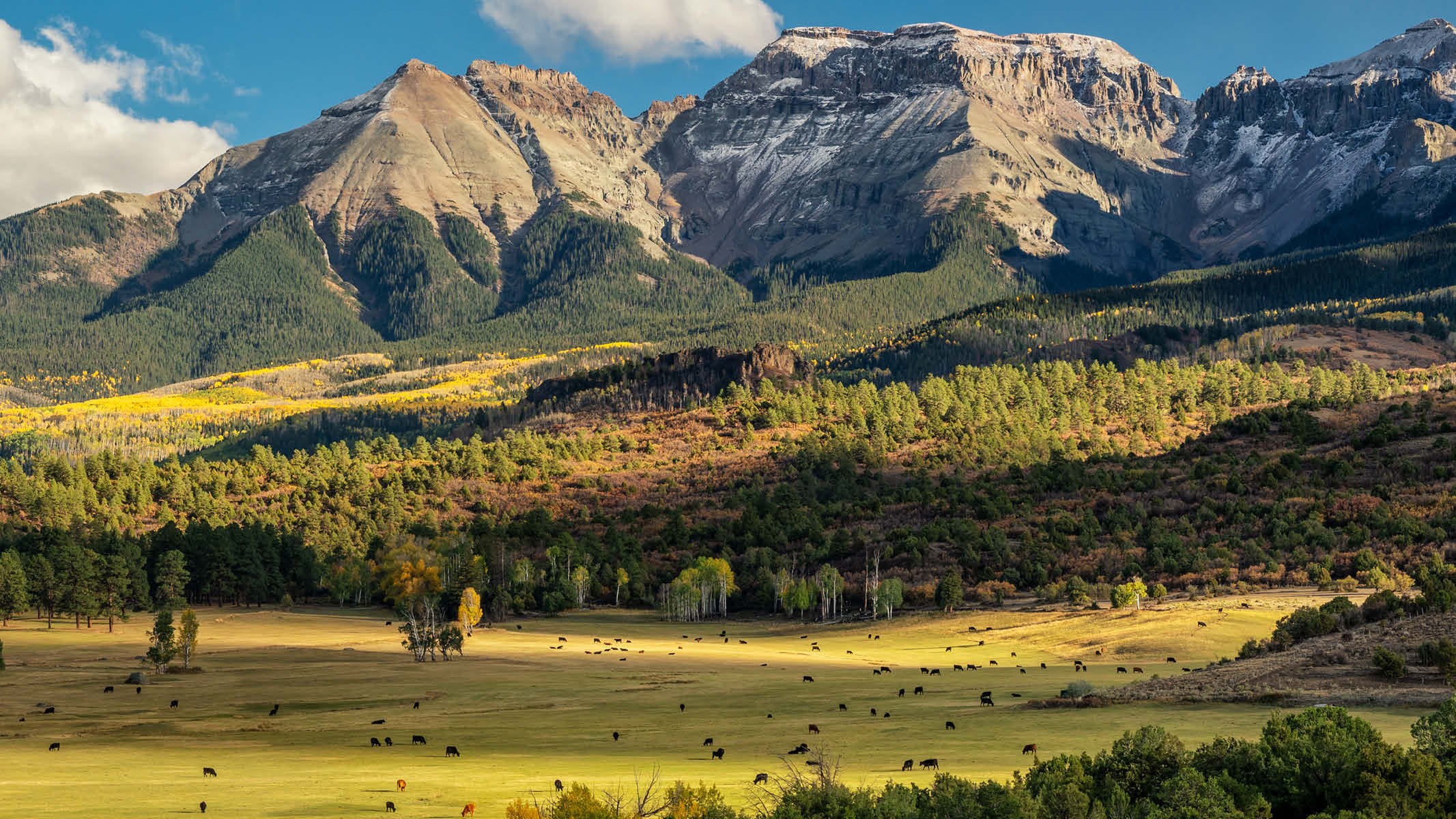
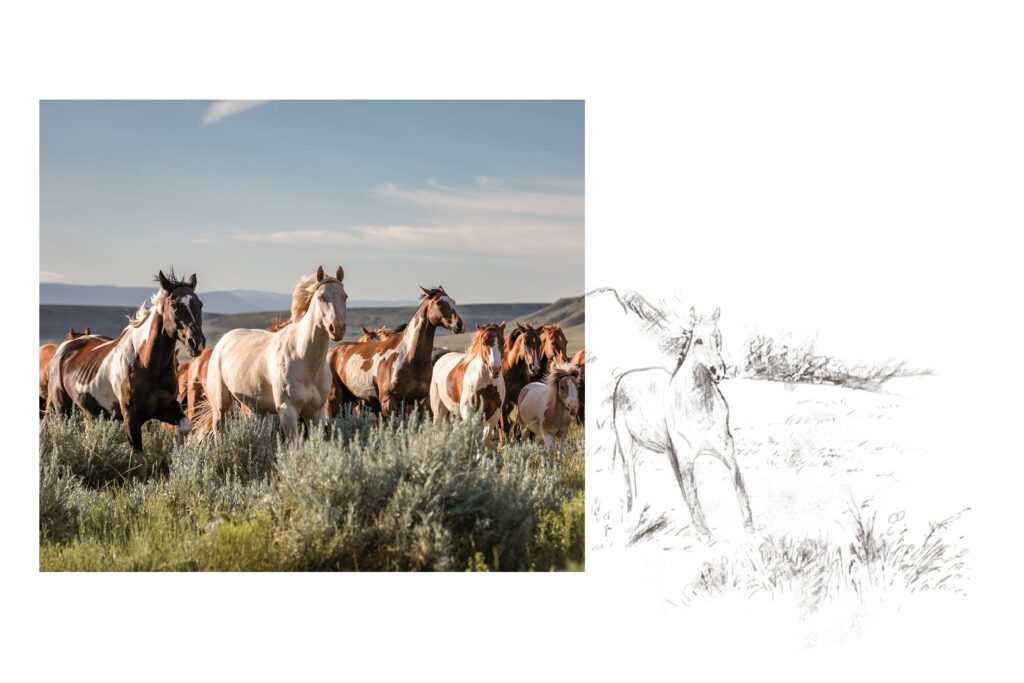
The United States has conserved and maintains an exceptional public lands system of 640 million acres, roughly one in four acres of the country. Often, the public views public lands through the lens of national parks. Our national system of public lands and waters, however, are more than pristine places—they are hardworking landscapes that play a crucial role in healthy wildlife populations, in the economic and community well-being of our nation, in telling meaningful stories about our heritage and way of life, and in the ability of all Americans to explore and enjoy this great nation.
However, the conditions that originally shaped the vision of early conservation leaders have dramatically shifted. America is growing and needs more food and energy to support our daily lives. More people than ever are exploring the outdoors. These expanding uses and needs bring new challenges. Without greater investment, we risk losing the values we hold dear. Wildlife struggle to move across fragmented landscapes, unaware of jurisdictional boundaries. Wildfires burn more often, longer, and hotter, putting communities, producers and local economies at risk. Rivers that once ran steady are now dry before summer’s end.
The critical question facing us all is how do we help the lands we currently steward endure and thrive into the future? Our federal land management agencies face significant challenges, addressing growing needs with diminishing resources, and we need to explore new models that recognize the increasing stewardship needs of public lands and waters. I often say that “forever” is a long time—and “forever,” the long-term care of our public lands, is expensive. Government processes and policies need to evolve. The future of our public lands depends on new approaches that engage the American public in the stewardship of some of our nation’s most precious shared resources.
The Bureau of Land Management (BLM) is the largest public lands manager in the country, visited by some 80 million visitors every year. The agency’s multi-use mission balances uses like energy development, livestock grazing, mining, outdoor recreation, wildlife habitat, and timber harvesting for current and future generations. The Foundation for America’s Public Lands was created to serve as the BLM’s congressionally chartered charitable partner, one that acts as the agency’s convener and fundraising catalyst.
When I joined the Foundation for America’s Public Lands as its first CEO two years ago, I found myself at the center of an exciting, undiscovered piece of the conservation puzzle: finding ways to invite all Americans in as stewards of the landscapes they love.
Our Greatest Untapped Resource
Since joining the foundation, I’ve seen firsthand that the greatest untapped resource isn’t policies or technology. It’s people. Across the country, rural residents, outdoor enthusiasts, ranchers, scientists, and dedicated volunteers have been and continue to care for our public lands.
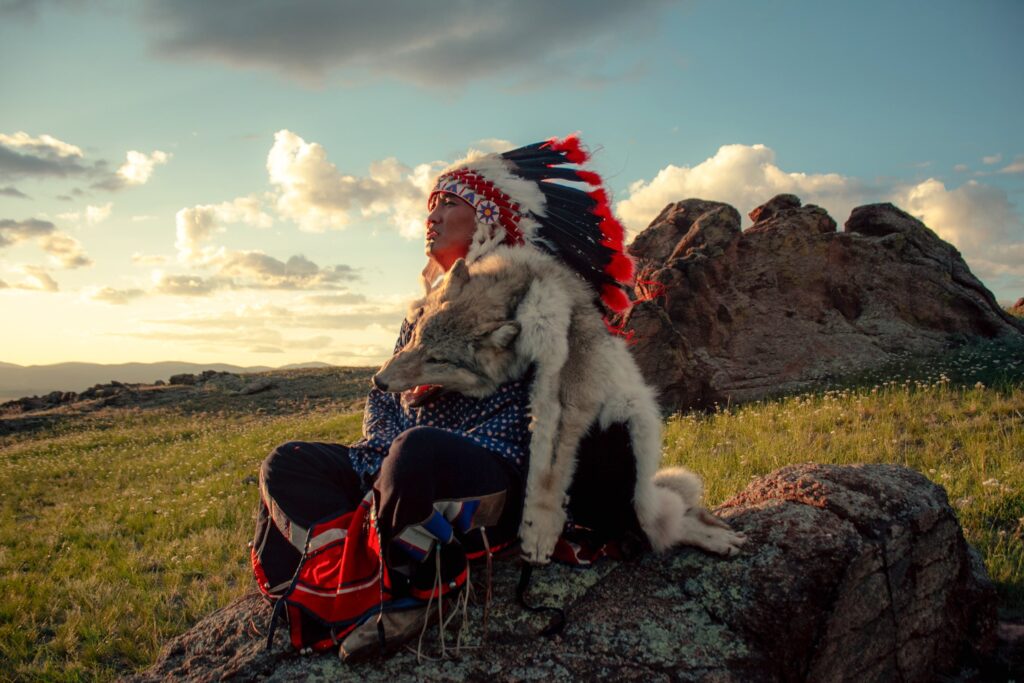
We should look to those who have cared for these lands the longest. For example, generations of ranchers and rural communities hold a deep understanding of the landscapes where they live and work. And Indigenous Nations hold generations of knowledge about fire, water, and wildlife that modern systems are only beginning to relearn. We have an opportunity to bring these voices to the center—not as secondary participants, but as partners and leaders.
Let’s expand the definition of stewardship and invite more Americans to step out of their offices and into the dirt. When people feel an emotional sense of ownership for a place, they act. They protect what they know. If we can inspire more members of the public to see themselves as stewards, not just visitors, we can build a future where the public is willing to fund the lands they love.
Cultivating a Nation of Stewards
Americans love their public lands, and that passion was on full display when proposals to sell off public lands surfaced recently. Americans across the political spectrum spoke with one voice—these places matter.
That moment put an unexpected spotlight on the BLM, an agency that has long operated with limited visibility, modest budgets, and a complex public perception shaped by its multiple-use mission. Standing alongside the more familiar National Park Service and Forest Service, the BLM and the lands it manages are finally beginning to be recognized for what they are: the backbone of world-class recreation, vital wildlife habitats, and thriving local economies.
If we truly believe public lands and waters matter, we must all take part in their future and embrace funding stewardship of them. The next generation of conservation is one that doesn’t exclusively depend on D.C. budgets but on a nation of stewards who, inspired by local communities and dramatic landscapes, want to invest in their public lands.
We have built the house of public lands; now we must ensure it stands strong for generations to come. The next era of conservation will be shaped not only by policy but by the people—those who give their time, voices, and resources to keep these lands open, healthy, and thriving. Together, we can build a future where every American feels ownership, pride, and purpose in caring for the places that define us all.