
Today we face daunting conservation challenges that range from a western wildfire crisis, endangered species inertia, abandoned mine perils, habitat fragmentation, and invasive species spread. But if we take our foot off of the brake and find the accelerator, we’ll achieve conservation success.
Previous eras of conservation have focused on slowing down or halting environmental harms. Regulations and designations generally aimed to stop “something bad,” taking reactive approaches to problems like widespread air pollution and rampant deforestation. Looking forward, conservation policies must speed up and remove barriers to proactively doing “something good.”
A critical issue that illustrates the need for speed is forest restoration. Hitting the brakes has turned our forests into tinderboxes. For decades, policies championed suppressing virtually all fire and limiting active management of vegetation. We now reap an accumulation of wildfire fuel in forests ready to burn at a catastrophic severity and scale. Fire has scorched an area larger than Nevada over the past decade, and more than 60 million acres of U.S. Forest Service land remain at high or very high risk of wildfire. Blazes in recent years have destroyed not only western forests but have even threatened places like Los Angeles, Hawaii, and Long Island.
The good news is that we know how to fix the problem. Taking action to remove excess fuels through mechanical thinning and prescribed fire have been found to reduce wildfire severity up to 72 percent. Given that so many of our forests remain in an unhealthy state and at risk of wildfire, we should be dramatically increasing the pace and scale of this forest restoration work.
The bad news is that our institutions have made it nearly impossible to do that vital work in the doses needed. Laws and policies from previous environmental eras such as the National Environmental Policy Act (NEPA) and the Endangered Species Act—coupled with tanglesome litigation—have created formidable barriers. PERC researchers have found that burdensome environmental review processes combined with litigation can delay forest restoration projects by about a decade. Furthermore, the disastrous Cottonwood federal appellate court decision of 2015 created a duplicative level of consultation over endangered species in some regions, which the Forest Service estimates will consume years of delays and millions of dollars—time and money we don’t have to waste.
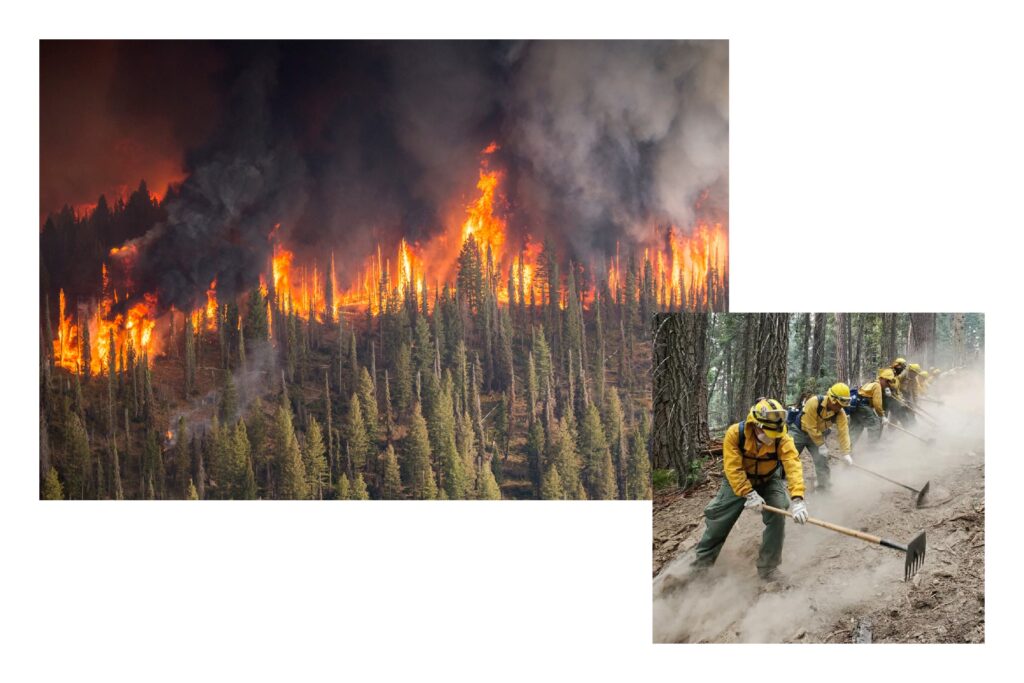
The ill-fated Pumice Project in the Klamath National Forest demonstrates the danger of slowing down rather than speeding up. In 2011, the Forest Service initiated the project to reduce wildfire risk, but environmental advocacy groups challenged the project, alleging that it would harm the threatened northern spotted owl. The litigation delayed the project for a decade. In the meantime, the Antelope Fire ignited before any restoration work could begin, destroying the owl habitat that the legal opponents claimed to be protecting.
For conservation to succeed, the next era must focus on speeding up by cutting through the red tape and bureaucratic delays that plague forest restoration projects and other environmental efforts. These are the sorts of ideas PERC has been researching and advocating for decades. Improvements to law and policy are drastically needed to make NEPA more efficient, expand categorical exclusions to environmental reviews, fix Cottonwood to remove duplicate levels of consultation, expedite litigation challenges, remove prescribed burns from state air pollution emissions calculations, and make it easier for state, tribal, and private entities to conduct restoration work on federal forests.
All of these reforms can help speed up the work that we know must be done to improve forest health. Thankfully, many of these aims are in the bipartisan Fix Our Forests Act that is rapidly advancing through Congress—with PERC’s support—a sign that America is recognizing the need to embrace a new era and approach to conservation.
Forests are just one setting that demonstrates how slamming the brakes has failed conservation. It’s time to hit the gas so that we can speed up, not slow down, proactive restoration of our land, water, and wildlife.