
When thinking about the future of conservation, I find myself looking to the past—especially the role my state, Wyoming, has had in building a solid foundation.
The history of the world’s first national park, Yellowstone, is well known, as is the kind of public-private partnership pioneered by John D. Rockefeller, Jr., in the creation of Grand Teton National Park. Between those events, President Theodore Roosevelt designated Devils Tower as the world’s first national monument. Later, the 1964 Wilderness Act was drafted on the front porch of the Murie Ranch in Moose, Wyoming.
But it wasn’t just federal actions that made a difference. Over the years, Wyoming has been a leader in enacting landmark legislation addressing mine land reclamation, air quality, plant siting, game management, and minimum stream flow, among others.
I first took an interest in these issues more than 50 years ago as a seasonal national park ranger in the Tetons. In the following years, so much has evolved in the way we look at wildlife and wildland management, and this steady progress gives me hope about the journey ahead.
Back then, federal agencies, state agencies, tribes, and private landowners saw themselves as competitors, not partners. Grizzly bears, bald and golden eagles, gray wolves, black-footed ferrets, and whooping cranes were either endangered or thought to be extinct in Wyoming. The role of the Smokey the Bear fire management policy was under serious review, and invasive lake trout were just establishing themselves in Yellowstone Lake where they would soon threaten the native cutthroat population.
Today, most of these at-risk wildlife populations are healthy and growing. Eradication efforts to remove the lake trout from Yellowstone Lake are succeeding, and fire managers have drawn valuable lessons from the 1988 Yellowstone fires.
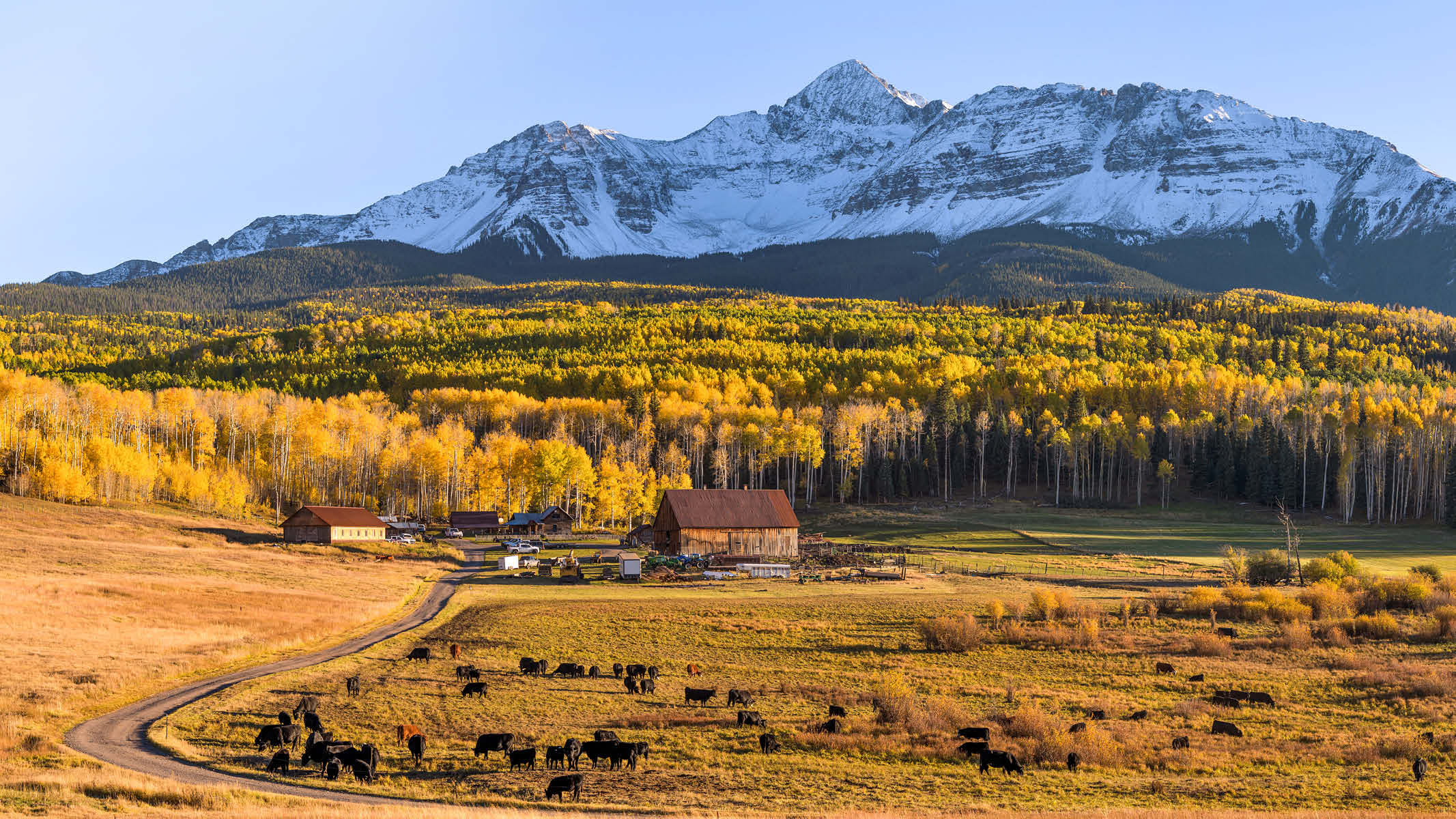
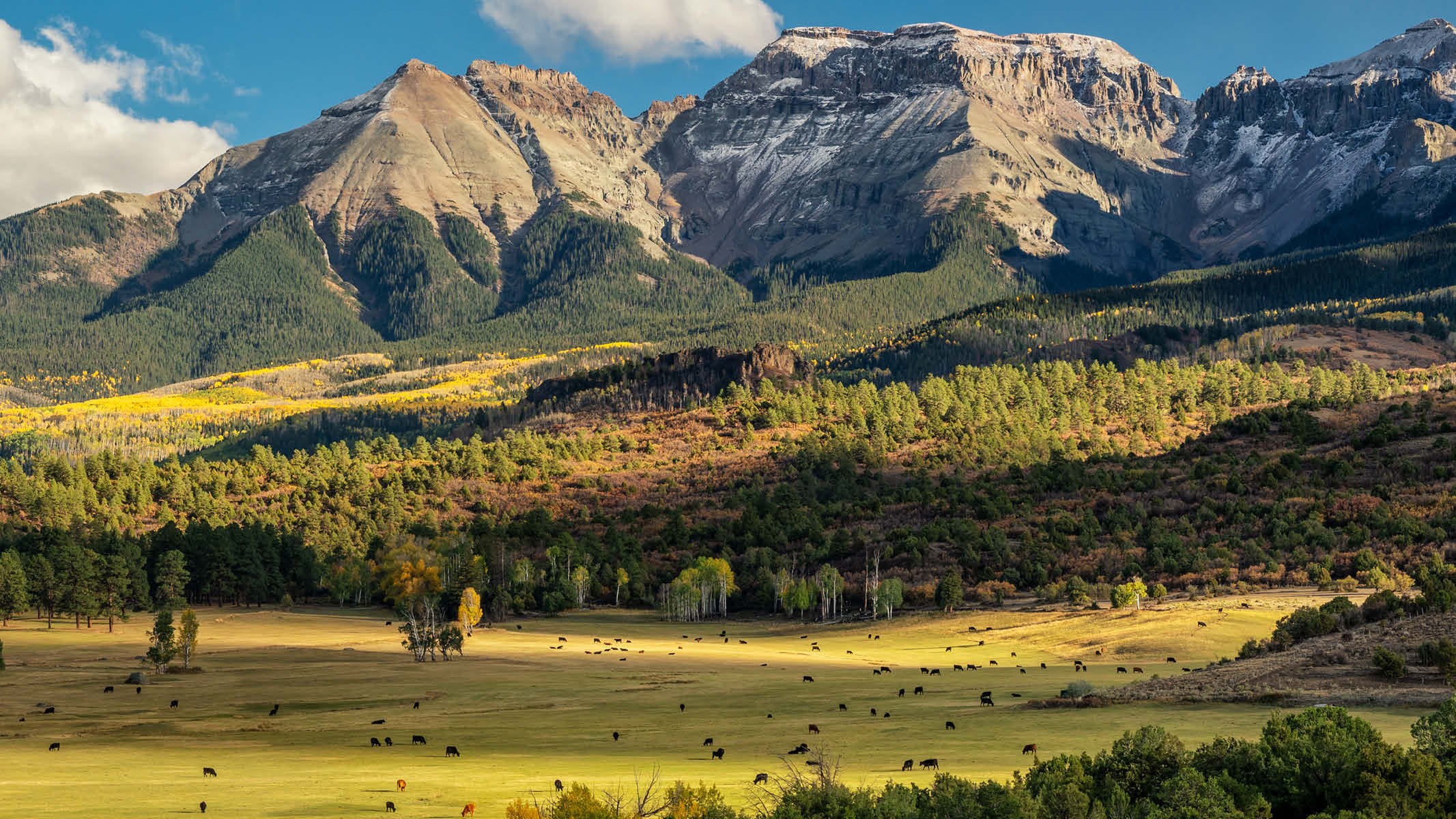
Landowners, state and federal land managers, and tribes deserve credit for the great strides they’ve made in working together. A close look at the map of the Greater Yellowstone Ecosystem shows why that kind of cooperation is imperative. That land mass encompassing parts of Wyoming, Idaho, and Montana totals roughly 22 million acres, or an area the size of Indiana. Of that total, nearly a third is private. That math screams out for the need for coordination.
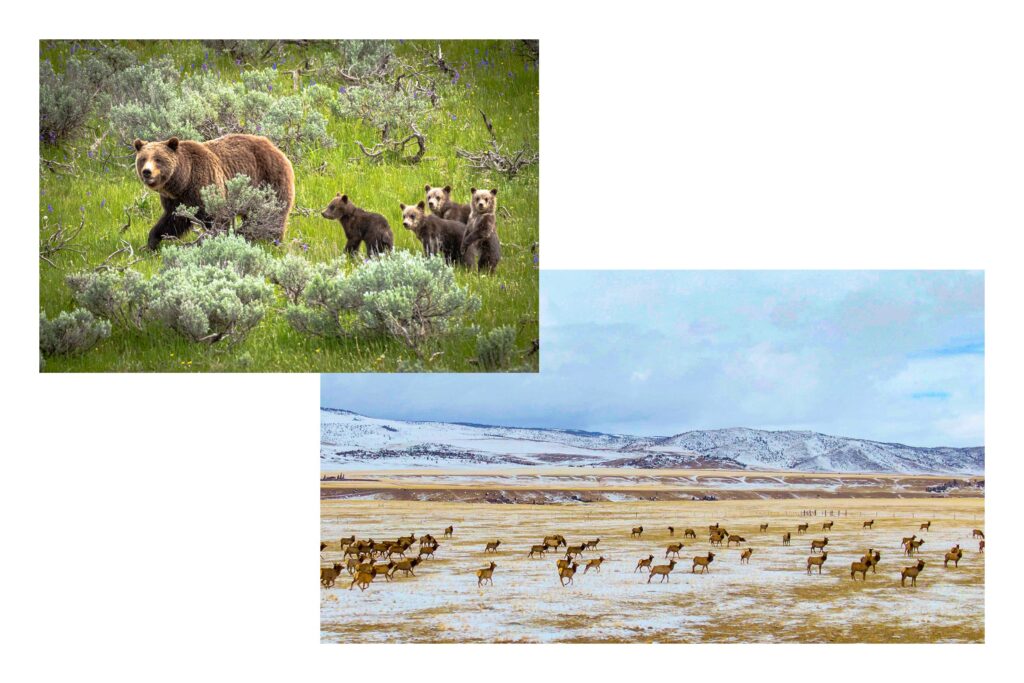
Examples of what can be accomplished through cooperative conservation include wildlife friendly fences and highway crossings, coordinated efforts to protect streams and lakes from quagga and zebra mussels, area-wide coordination to fight cheatgrass and other invasive plants, and a pressing urgency to maintain historic migratory routes for elk and other ungulates between winter and summer ranges. While successes in these areas have been helped by federal and state policies, the secret sauce was added when citizens on the ground realized there were problems and joined together as true partners.
Evidence suggests that the desire to protect the health of public lands is in the DNA of a vast majority of citizens in the West. Sometimes it takes a crisis, and sometimes an opportunity, to ignite that passion, but it’s there. Last year, over 10,000 citizens from around Wyoming successfully petitioned elected officials to sell a state section of land, known as the Kelly Parcel, to Grand Teton National Park instead of auctioning it off for private use to the highest bidder. Months ago, a nationwide backlash erupted over a proposal in Congress to sell off public lands in 11 states. Thanks to the loud pushback from citizens of all political stripes, the proposal melted away.
I wish I had that crystal ball to predict where we are headed, but if past is prologue, we’re moving in the right direction.