Past eras of conservation are thrilling in hindsight. One U.S. president made conservation a national priority, called it a national duty, and stood it on a base of professional agencies and vast public lands. Another president expanded government action. An environmental awakening expanded conservation beyond forests and wildlife to air and water. These eras—each spanning decades—met needs with fundamental changes in laws, agencies, land and water classifications, and personal behaviors.
The current era, now roughly 50 years old, has been quiet by comparison. Since the mid-1970s, excepting a few major amendments and the blossoming of advocacy organizations in number and practices, conservation has settled into incremental changes and layers of judicial case law. The legal contests generally pit resentment of regulations against idealism for protection.
What has realistically been gained or lost since the ‘70s are fluctuations in budget lines, listed species, and acreages and purposes of reserved lands and waters. Even the biggest achievements—among them the first conservation title of the Farm Bill in 1985 and the 2020 permanent mandatory spending of $900 million per year for the Land and Water Conservation Fund—were plays from pre-1970 playbooks. Our era has varied without changing fundamentally.
This era of minding dials and levers tolls with loud warnings.
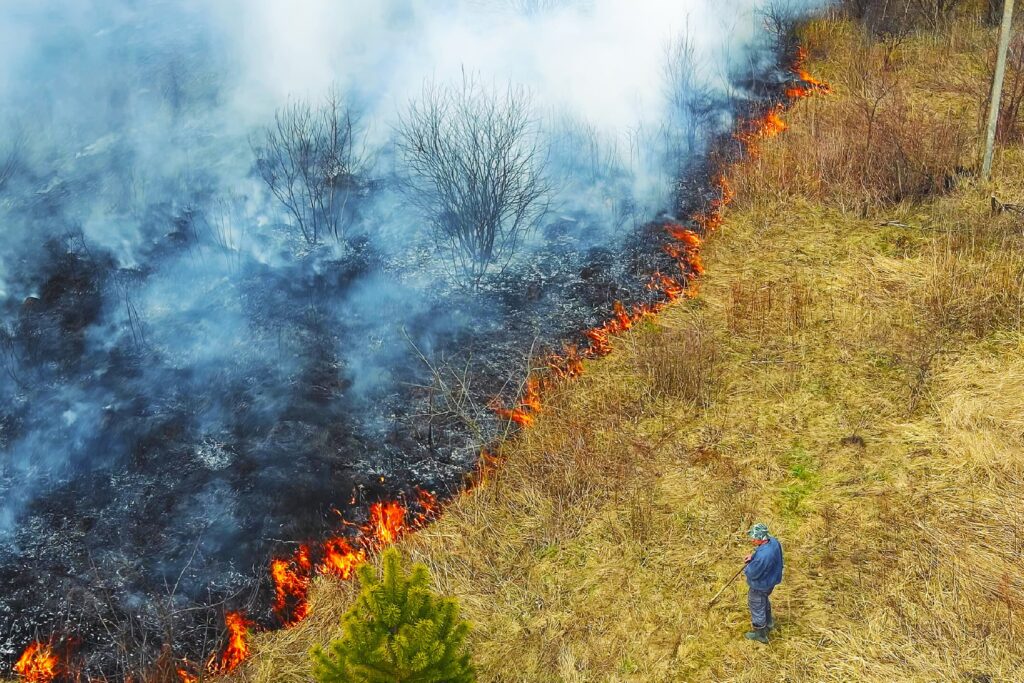
First, aside from pollution problems in air and water, which are measured closely and show progress, there is little evidence of progress in stewardship of land and wildlife. Second, without the guidance of evidence, the adjusting of budgets, management plans, and area designations has devolved into a contest of virtue and vice in which each contestant claims the virtue. Third, in this moral contest, contrived principles—“bedrock environmental laws” vs. “regulatory overreach”— strangle policy debates. (A case in point: the Endangered Species Act has not been amended since 1988.) Fourth, the well-meaning public responds to these artificial principles by funding dueling campaigns that lock into stalemates. For uncharacteristic wildfire there is more strategy than execution, and for climate change, more rhetoric than durable policy, and for species, a symbolic squabble about the length of the endangered lists.
Conservation ought to have settled into workmanlike operation by now, but this era is not perfecting conservation; it is distorting it. The word “conservation” has morphed into “protection”—as an alternative to “development.” This has deranged T.R.’s great achievement in coining conservation as a discipline for meeting human needs with both: “Conservation means development as much as it does protection.” And relegating “development” to the production of commodities disregards its broader meaning of anything done to reclaim beauty from diseased forests, invaded grasslands, and depopulated wildlife communities, which we do because, as Muir said: “Everybody needs beauty as well as bread.”
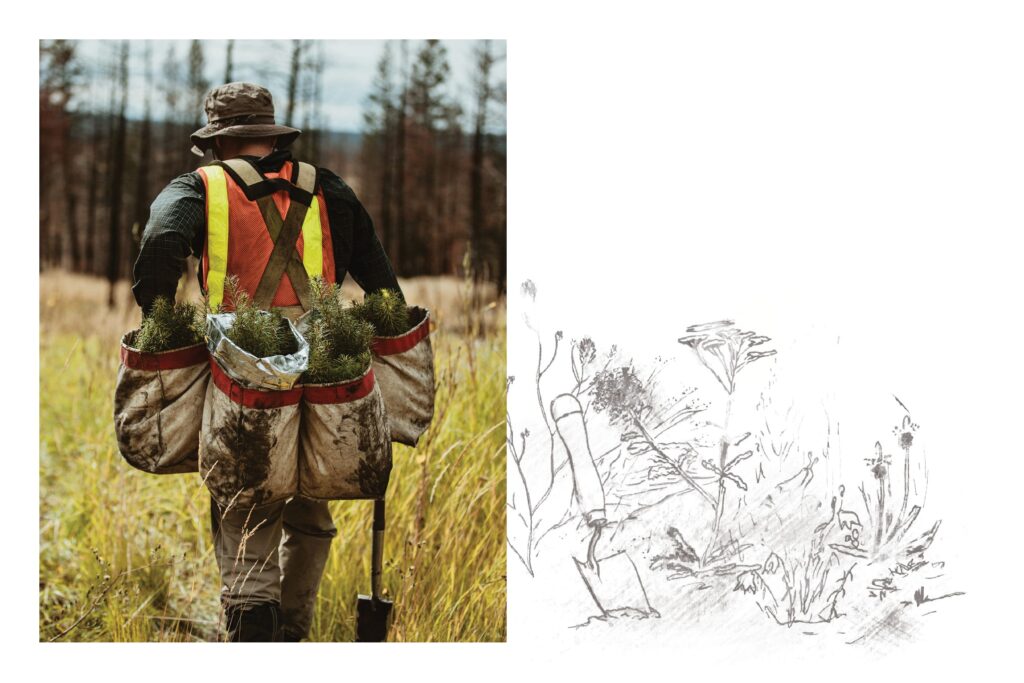
Favoring one need over others disregards the interconnections among them. Often “balance” is proposed, which is telling but wrong. Balance is a resort from political turmoil, a myth of ecology, and no guide to ecosystem management. Protection and intervention are methods, not political platforms.
The next era of conservation should resurrect stewardship: intervention and restraint in prescribed measures. The present era assumes action is dangerous. The National Environmental Policy Act of 1970 requires, in the reading of a court, a “searching and careful” review. As this dictum eroded into the slogan “hard look,” idle precaution overtook “enhancement” in the act’s purpose. Precaution began with good, but blinkered, reason. The Endangered Species Act of 1973 and Federal Land Policy and Management Act of 1976 are central examples. Both assuaged the consequences of unwitting action: pollution and habitat loss; single-minded engineering of clearcuts in the Bitterroot and Monongahela National Forests. Neither redressed harm with positive action.
In fear of what could go wrong, present policies front-load decisions by documenting risks, emphasizing causes for objection, and costing millions in the “negative exercise of abstinence and caution” that might be used for the “positive exercise of skill and insight” (Leopold). Tinkering with this — by limiting the duration and page-count of environmental analyses — will not do.
The Aspen Institute recently published a starting point, led by a bipartisan pair of former White House Council on Environmental Quality chairs: Kathleen McGinty (Clinton) and James Connaughton (Bush 43). They recommended that projects advancing a national priority be separated into classes for immediate and accelerated environmental approvals. They recognized this would not ease the difficulty of setting national priorities—theirs was achieving net-zero emissions by 2050—or earning community support for projects. But consensus about priorities and projects will become more likely when people can weigh a real chance to gain against the perceived safety of the status quo.
Stewardship recalls what is still known of gardening but has been forgotten about larger ecosystems. Working within it and guarding its growth is a surer guide than planning to.