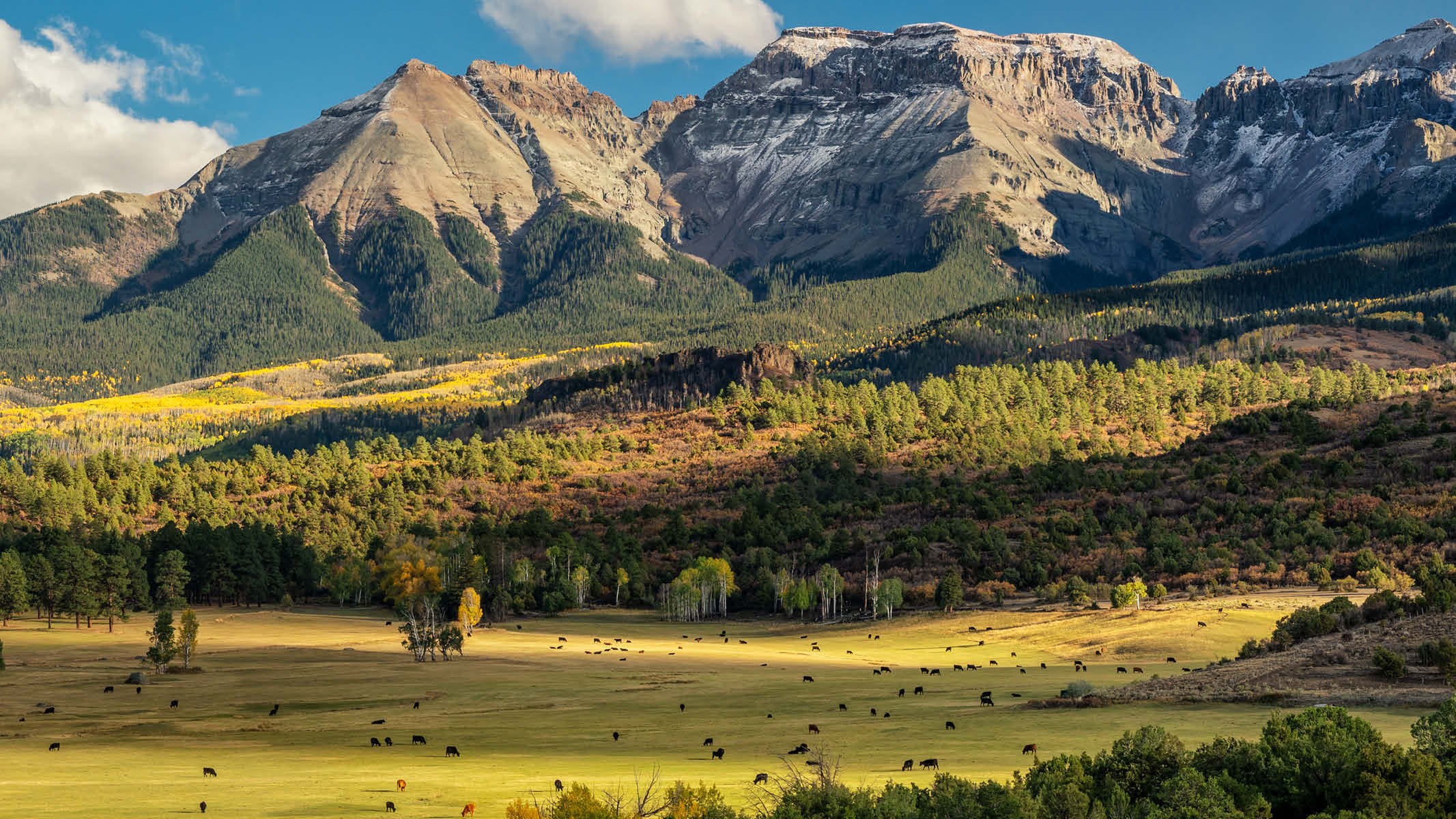
Conservation is inherently local. Whether it involves conserving family farms through land trusts, restoring habitat across public lands, or sustaining multi-state ecosystems such as the Chesapeake Bay, building consensus across local, state, and federal partners is often critical to success and durability. What’s more, the threats to be addressed in each locality and ecosystem are different—whether they be development, habitat loss, invasive species, or altered fire regimes.
Because conservation is so local and so varied, national policy goals are difficult to define. Still, when 30×30 was launched in the run-up to the 2020 presidential election, many conservation groups—with support from green funders—embraced it. The message of 30×30 is simple: protect 30 percent of lands by 2030. Yet it is also inherently flawed.
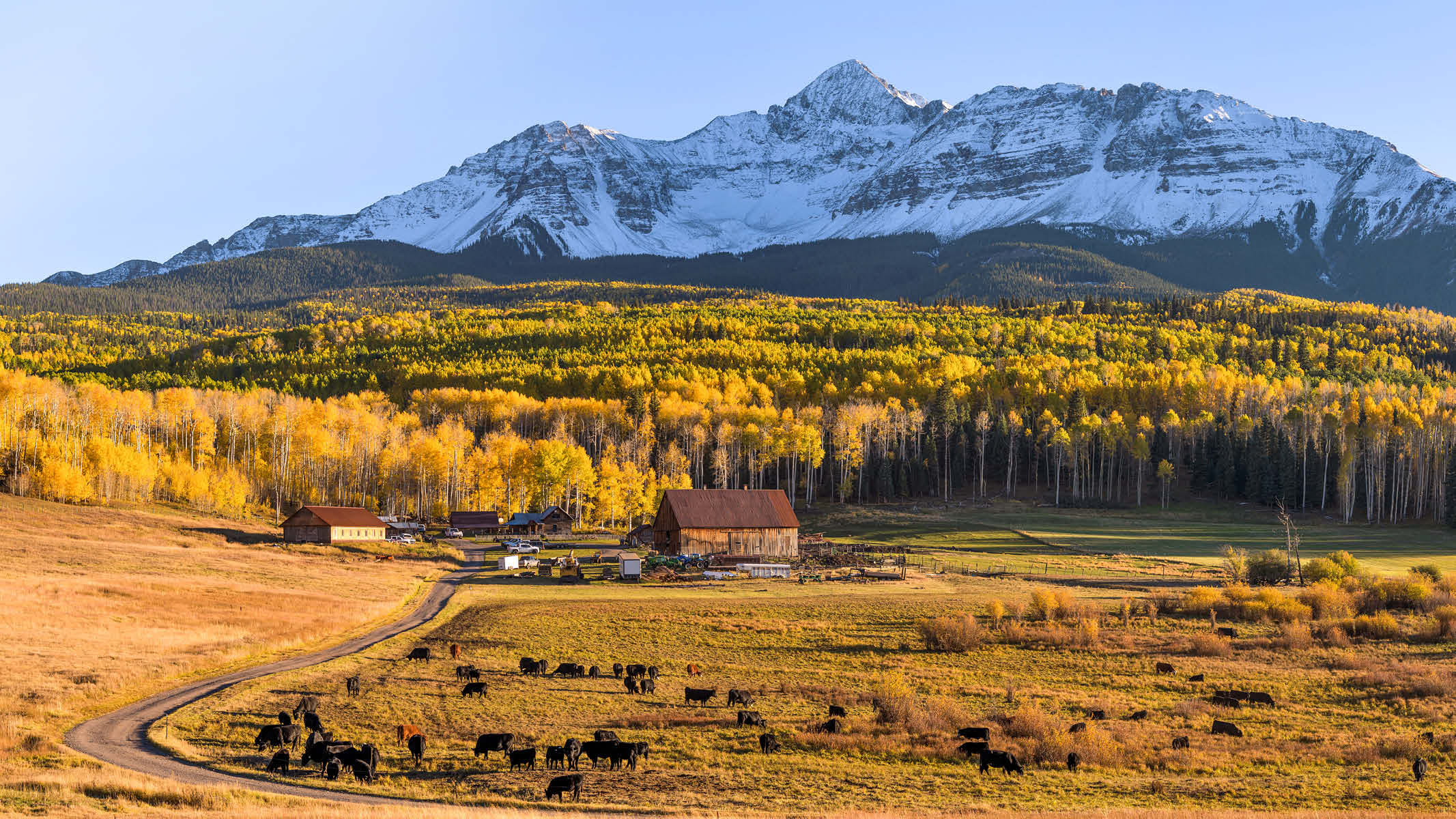
First, why 30 percent? It’s hard to make the case that 30 percent is anything other than an arbitrary goal. Look no farther than the Greater Yellowstone Ecosystem. Seventy percent of the land that comprises the ecosystem is in federal ownership. Yet conserving Yellowstone’s vital elk, mule deer, and pronghorn migration corridors will largely depend on conserving swaths of the ecosystem in private or tribal ownership. In Greater Yellowstone, 30 percent is far too unambitious.
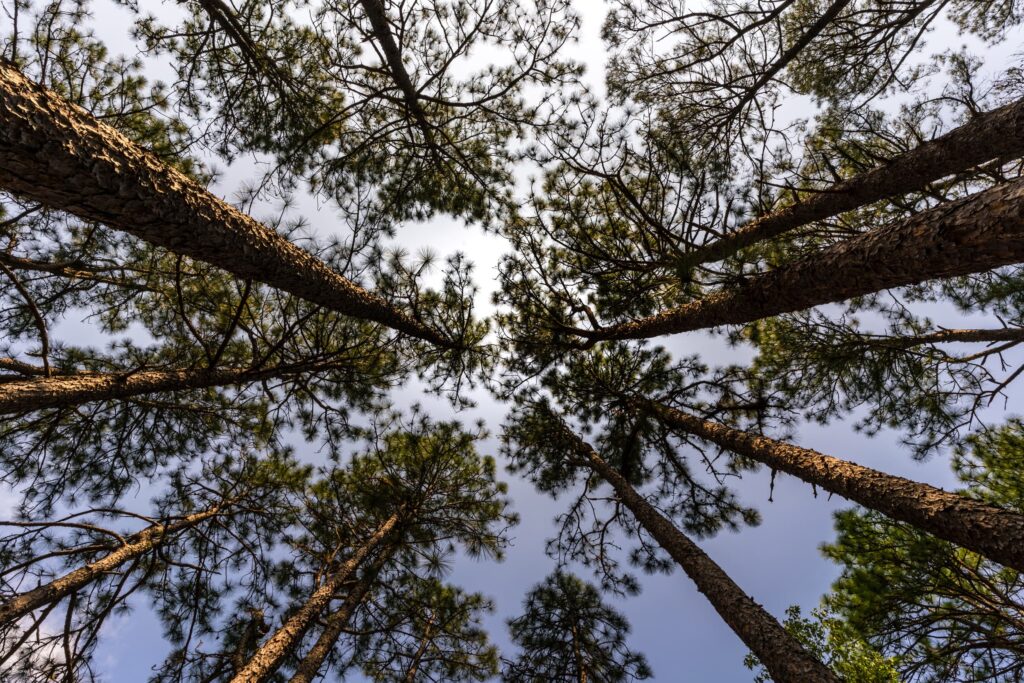
By contrast, 30 percent is unrealistically high in the longleaf pine forests of the southern coastal plain. Once covering some 90 million acres, longleaf today can be found on just over five million acres. As a practical matter, conserving longleaf pine savannas and their rich biodiversity will have to be accomplished on far less than 30 percent of the former ecosystem.
Setting a numeric target for conservation has some attraction to motivate policymakers, but there is no magic in setting the benchmark at three-out-of-ten in particular—other than the fact that choosing it a decade or so in advance of the year 2030 makes for pithy marketing.
There’s a much more difficult challenge for 30×30: What counts as being “conserved”? We generally are concerned with two questions in conservation: (1) whether the land is protected from development, and (2) whether the land is managed to provide significant conservation benefits. Yet the advocacy around 30×30 in the United States has fixated on a fairly narrow interpretation of the first question and has largely avoided the second one.
As to whether land is protected, 30×30 advocates have been devoted to increasing protected areas on federal lands through monument designations under the Antiquities Act and other means. Given such lands are already in federal ownership, aren’t they already conserved? And if they aren’t, then by extension many of the lands acquired by federal land management agencies through the Land and Water Conservation Fund don’t count for purposes of 30×30. That’s a strange outcome for such a critical program.
As to whether land provides real conservation benefits, proponents of 30×30 have generally ignored, for instance, lobbying Congress for additional land management funding for federal agencies. Habitat restoration is expensive, and there are plenty of federal lands in need of treatment. Does a roadless area that is highly degraded due to decades of fire suppression, or a monument designated on cheatgrass-dominated BLM lands, still count toward 30×30?
The issues get even trickier when we turn to private lands, which comprise over 70 percent of the lower 48 states. The vast majority of those lands will remain in private ownership. Conservation of these working lands requires integrating wildlife conservation and other goals into farm, ranch, and forestry operations. Do multiple-use private lands count toward 30×30? Is a conservation easement necessary? What about lands enrolled in a 15-year conservation lease? Should we require habitat management? And how do we answer these questions in a way that encourages the participation of private landowners and tribes?
Having spent four years in the Biden administration overseeing two conservation agencies at USDA, I can tell you that the Agriculture and Interior Departments, along with White House staff, struggled to answer these questions.
The truth is that conservation isn’t like a simple on/off light switch—with some lands in and some lands out. Conservation is more like a dimmer switch—with the value of lands changing over time based on their protective status and health. Conservation isn’t an end state—it’s a process that requires perpetual stewardship.
As we look to the future of conservation, setting goals to drive action is important. While a short essay is not the place to suggest a comprehensive replacement for 30×30, any such goal must recognize the importance of working across large complex landscapes with numerous and diverse stakeholders. It must also recognize that conservation isn’t defined simply by protective status, nor is conservation costless to pursue. Protections without resources to restore and steward habitat will fall short.
At the end of the day, conservation needs an agenda that incentivizes and rewards local and regional collaboration and that provides federal resources and agency infrastructure to encourage ongoing stewardship. Only then will a conservation agenda have broad, bipartisan support—and the potential to be truly durable.