This special issue of PERC Reports explores the next wave of solutions for our national parks.
In 1872, Congress did something radical. It set aside two million acres of geothermal wonderland and sweeping mountain vistas nestled in the heart of what today is known as the Greater Yellowstone Ecosystem. The monumental achievement established a new precedent for conserving America’s natural heritage and laid the foundation for the National Park System. Yellowstone National Park became the crown jewel of the American conservation movement—a “pleasuring ground for the benefit and enjoyment of the people,” according to the act that established it. More than 150 years later, Americans have taken that directive to heart.
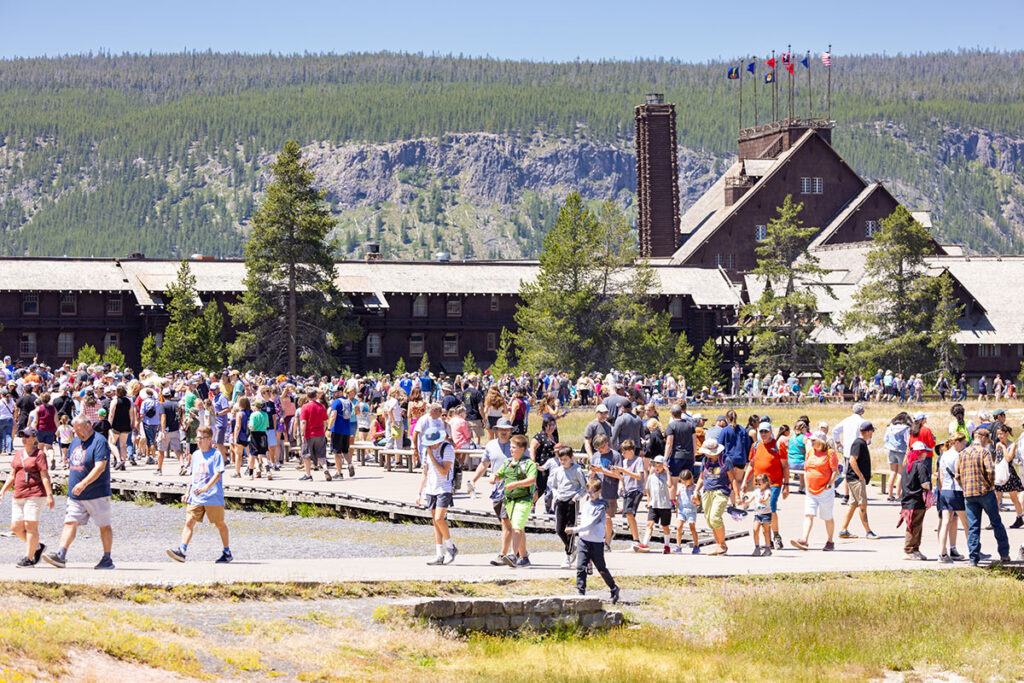
In 2025, Yellowstone is as popular as ever. Visitation routinely exceeds 4 million people per year, and in 2021, it reached an all-time high with nearly 4.9 million visits. Despite a string of recent disruptions that might have kept tourists away—severe wildfire seasons, a once-in-500-years flood, and a global pandemic—Yellowstone continues to draw crowds from around the world. It’s a testament to the park’s enduring power to inspire.
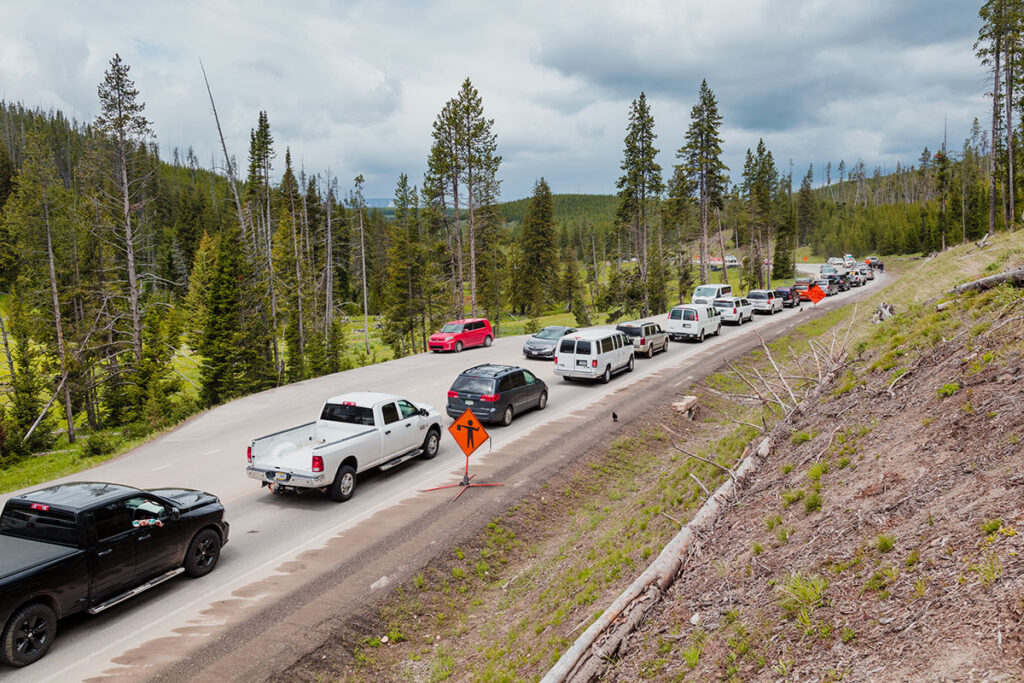
But these record-breaking crowds bring more with them than enthusiasm and curiosity—their presence also comes with a cost. More cars on the roads and boots on the ground threaten the integrity of the park and its resources as soaring costs and a growing backlog of maintenance projects overburden the park’s limited resources. Today, the park faces infrastructure challenges from crumbling roads and bridges to outdated visitor facilities and wastewater systems. And with more people flocking to the park each year, the challenges are only compounding.
If Yellowstone is to endure for another 150 years, it’s time to confront this paradox head-on: How do we conserve a park enjoyed by millions without loving it to death?
A Backlog of Challenges
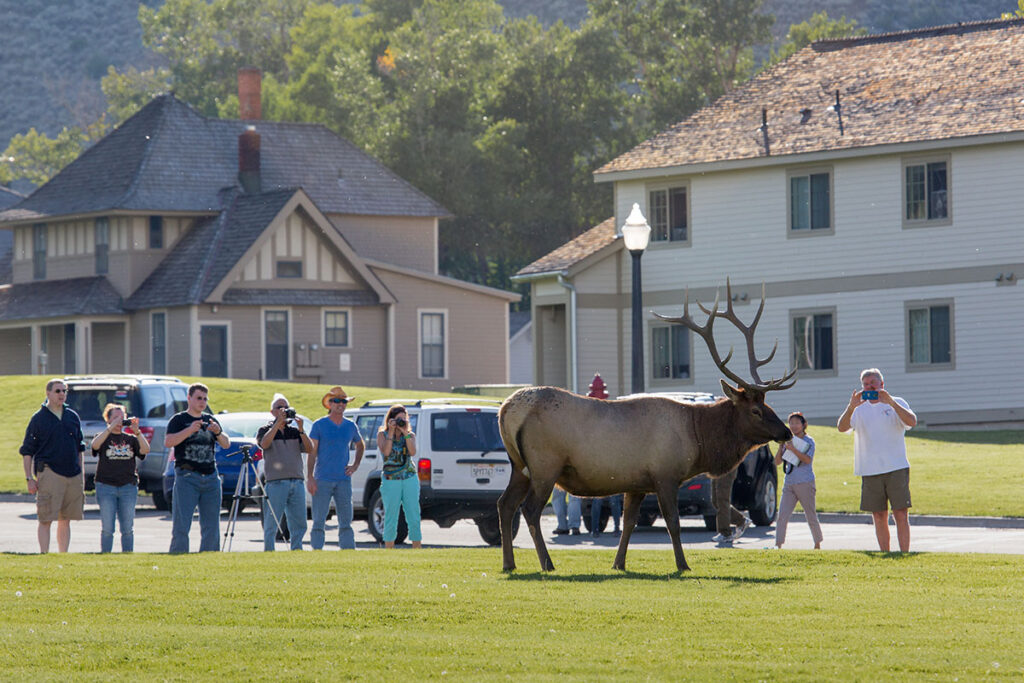
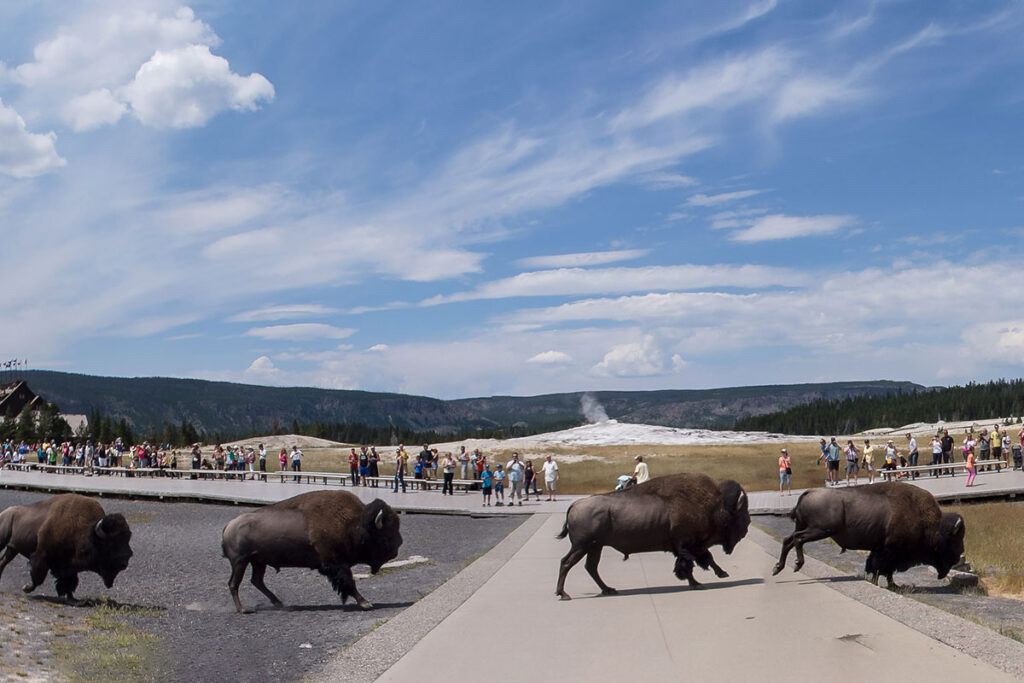
A quick scroll through the popular Instagram account “Tourons of Yellowstone” adds some color to the issue of booming visitation: A tourist dips his finger into the superheated Grand Prismatic Spring; an overly confident visitor attempts a selfie with a family of grizzly bears; a mother and child venture dangerously close to a herd of bison.
But these somewhat comical displays of human error aren’t the biggest issue with surging visitation. The simple maintenance and upkeep of park infrastructure and resources is the real challenge. And with an eye-popping $1.5 billion price tag for overdue maintenance—more than any other national park in the country—this challenge threatens the long-term physical and fiscal health of the park.
Last year offers a snapshot of the impact of increased visitation on park infrastructure: Up to 80 medical calls per week in the summer; a million pounds of garbage to be disposed of per month; 270 million gallons of drinking water treated. As Superintendent Cam Sholly recently told WyoFile, “When you have roughly 30,000 visitations a month in the winter months, and in the range of a million a month in the summer months, you’ve got a lot to manage.”
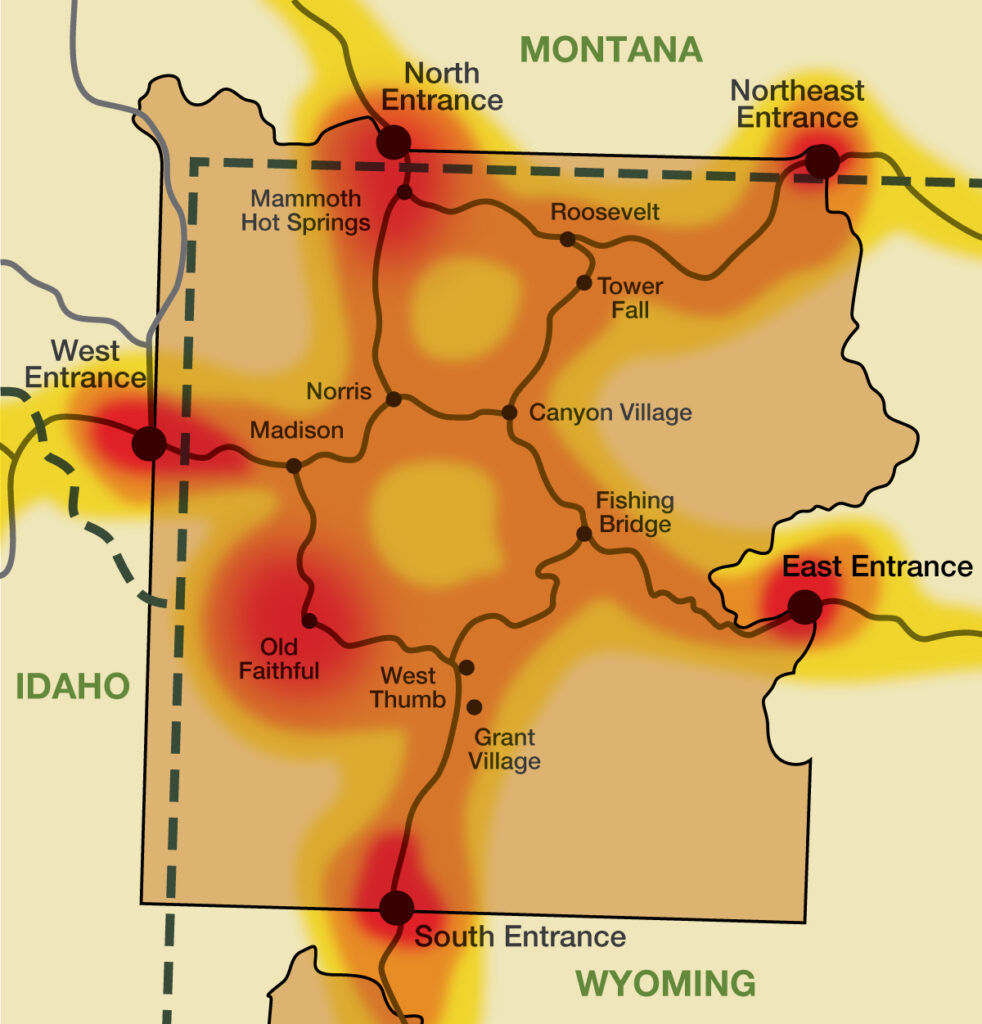
Most people who travel to Yellowstone don’t stray more than a half mile from paved roads, which means the impact of visitation within the vast 2.2 million-acre park is highly concentrated. This concentration accelerates infrastructure deterioration, with foot traffic degrading boardwalks and trailheads, parking lots overflowing with vehicles, and aging septic and wastewater facilities struggling to keep up. A failure in just one of these systems not only inconveniences visitors; it risks polluting the environment that makes Yellowstone so unique.
Yellowstone’s wastewater treatment plant in Grant Village serves as a prime example. Built in the 1980s, this aging facility has struggled to keep up with seasonal demand and ongoing maintenance needs, posing a real risk to the surrounding environment. The facility’s deteriorating condition could result in sewage being discharged into Yellowstone Lake, a critical headwater and habitat for native cutthroat trout. The risk of failure at this plant is well known, and the park service plans to replace it, but the example highlights the scale of the challenge Yellowstone faces with aging infrastructure.
The billion-dollar backlog of deferred maintenance projects at Yellowstone is stark, but it’s only part of a much larger challenge nationwide. Across the National Park System, nearly $23 billion in overdue maintenance projects has piled up. In 2020, Congress devoted $6.5 billion to this problem through the Great American Outdoors Act. At Yellowstone, this funding is helping to improve utility systems across the park, replace the Yellowstone River Bridge, and rehabilitate iconic historical sites like Fort Yellowstone and Old Faithful Inn. Yet despite this investment, the maintenance backlog across national parks has continued to grow, as it has for decades. (For more, see Tate Watkins’ essay.)
Other concerns persist. Headlines about budget cuts and staffing reductions have sparked fears that parks may be unprepared for the demands of the busy summer season. (For more, Summer Bummer.) In Yellowstone, however, much of the concern seems overwrought. To date, only seven out of the park’s 30 probationary hires had been laid off—only to return weeks later after a federal injunction blocked their firing. An additional 13 full-time employees accepted voluntary resignation offers. “Our total staffing numbers are within or above the staffing levels we’ve had in previous years,” Superintendent Sholly said when asked ahead of the peak season, noting that the park had more than 750 staff this year. “It’s going to be an outstanding summer,” he added.
Ultimately, however, the underlying issue persists: Our parks need a more reliable funding stream to stay on top of the mounting costs of increased visitation. Infrastructure repairs may not grab headlines like a bison selfie gone wrong, but they’re critical to the long-term health of places like Yellowstone.
A Smarter Way to Fund the Fix
Meeting Yellowstone’s long-term needs will require more than reactive repairs or one-time funding boosts. It demands a smarter, more sustainable way to pay for the park’s upkeep.
One under-tapped source of potential revenue is international visitors. Roughly 15 percent of visitors to Yellowstone come from abroad, and many of these guests pay top dollar to travel thousands of miles for a once-in-a-lifetime trip. Charging these tourists a modest premium for entry could generate meaningful revenue without burdening domestic families or significantly discouraging international visitation.
New PERC research by University of Wyoming economist Steve Newbold estimates how sensitive visitors are to changes in Yellowstone’s entrance fees. Using travel cost data and visitor surveys, the analysis found that demand for Yellowstone is highly inelastic, meaning that fee increases wouldn’t significantly deter visitation for domestic or international travelers. For example, raising prices by just $5 per person would more than double revenue from entrance fees while reducing visitation by just 2.8 percent.
Infrastructure repairs may not grab headlines like a bison selfie gone wrong, but they’re critical to the long-term health of places like Yellowstone.
Unsurprisingly, those visiting from abroad are the least price-sensitive. When compared to the cost of air travel, rental cars, hotels, and dining out while traveling across the globe, paying an extra $20—or even $100—to enter an iconic national park is truly just a drop in the bucket of travel expenses. The new research estimates that a $100 surcharge for international visitors would raise $55.2 million in new revenue—more than quadrupling total gate-fee receipts—and result in only a 1.3 percent drop in visits. The additional revenue would more than cover the entire park’s annual routine maintenance costs, estimated to be $43 million. And because the vast majority of entry-fee revenue stays in the park where it’s collected, the benefits would be felt on the ground.
Of course, entrance fees alone won’t fill Yellowstone’s $1.5 billion deferred maintenance hole. But they can play a critical role in keeping routine repairs and upkeep on track, helping to make sure the hole doesn’t get any deeper. By applying common-sense, market-based insights, we can harness the park’s popularity and tap a revenue stream that generates millions to help steward this wondrous place.
A Legacy Worth Preserving
Yellowstone’s legacy is rooted in innovation. Long ago, at its founding, it set the global standard for conservation, proving that wild places were worth protecting not just for their ecological value, but for the benefit and enjoyment of people. That founding ethos remains relevant today, but it must be matched with equally innovative stewardship.
The challenges facing Yellowstone are not insurmountable. They’re a call to think smarter and to embrace solutions that reflect the reality of modern visitation. Market-based strategies like targeted entrance fee reforms and international visitor surcharges can help relieve pressure on the park’s infrastructure and provide funding that scales with visitation—ensuring that Yellowstone remains resilient, not only for the next visitor, but for the next generation.
If Yellowstone is to remain the crown jewel of our national parks, we must treat it like the treasure it is. That means investing in its care with the same imagination and commitment that led to its creation more than 150 years ago. Because a park that has inspired the world deserves a future as grand as its past.