

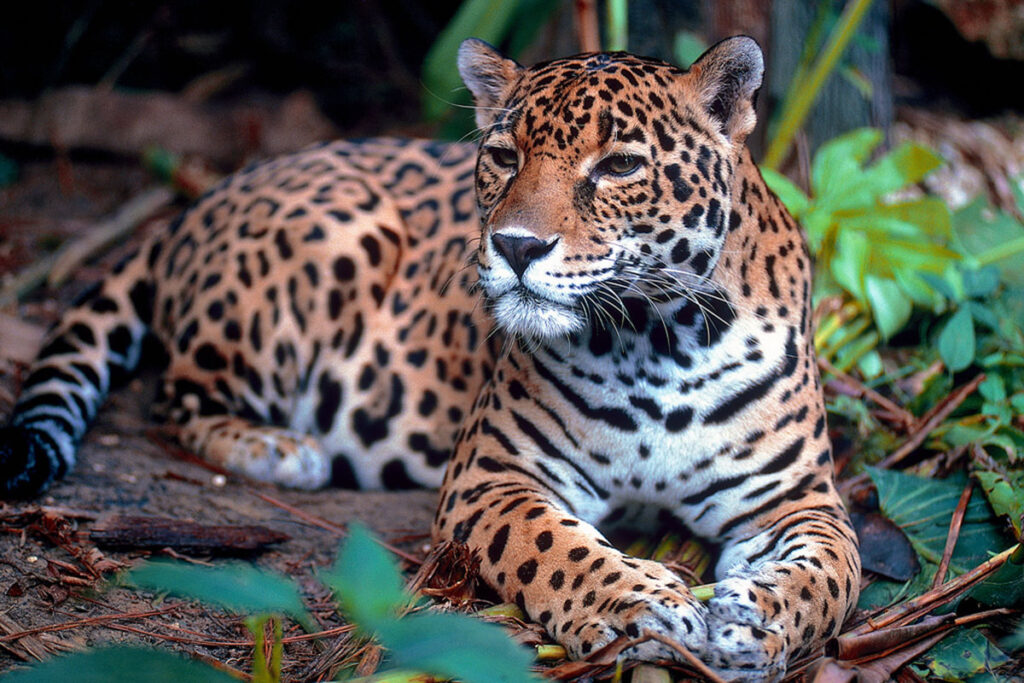
Argentina launches jaguar insurance
In a groundbreaking effort to protect one of Latin America’s most endangered predators, Argentina has launched the world’s first insurance program to safeguard jaguars—while compensating local livestock owners for losses. Developed by the United Nations Development Program, local government agencies, and conservation partners, the policy reimburses farmers for animals lost to predation—aiming to curb retaliatory killings and promote better livestock management. By rewarding stewardship over conflict, this pioneering model could help shape future wildlife conservation efforts across Latin America and beyond.
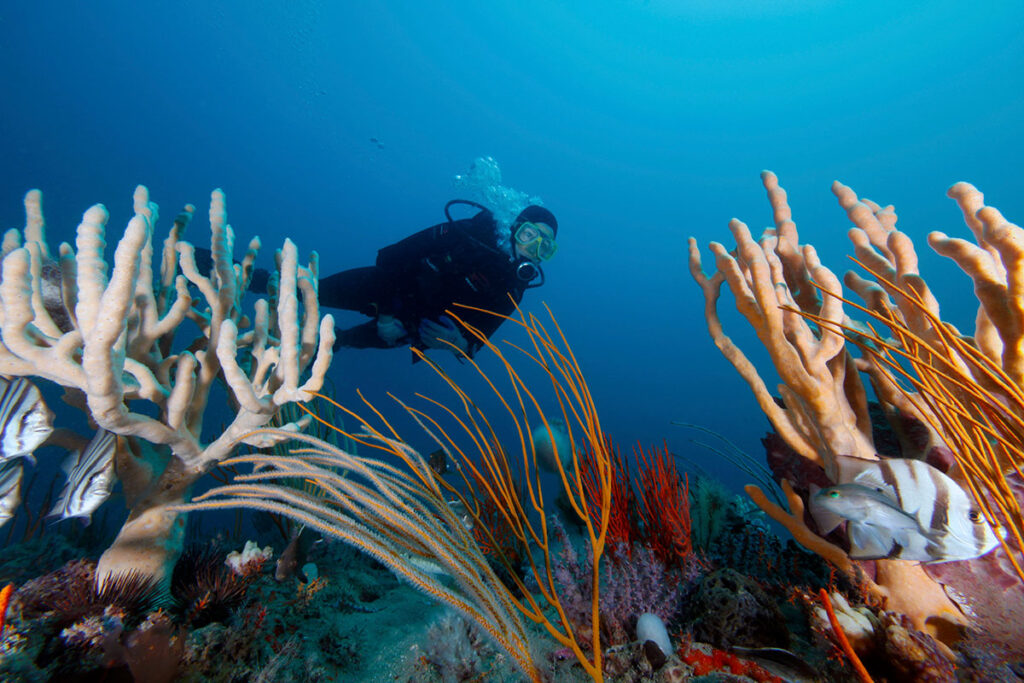
Smelly jelly could help restore coral reefs
Scientists at the Scripps Institution of Oceanography have created a jelly-like gel, dubbed SNAP-X, that mimics the chemical “scent” of healthy reefs, drawing coral larvae to settle and grow in degraded habitats. In lab tests, surfaces treated with the gel attracted up to 20 times more coral recruits than untreated ones, offering a potential boost to reef restoration efforts. Still in early stages, the experimental gel could help restore reefs’ genetic diversity at a time when half of the world’s coral reefs have already been lost or severely damaged.

Woolly mice are here. Are mammoths next?
They’re small, fuzzy, and engineered with Ice Age DNA. Scientists at Colossal Biosciences have created “woolly mice” by inserting mammoth genes into lab mice, giving them long, golden coats and cold-resistant fat. It’s a surreal, and oddly adorable, step toward resurrecting the extinct woolly mammoth. The company aims to birth mammoth-like elephant calves by 2028, arguing that these creatures could help revive Arctic ecosystems. Whether it’s conservation’s next frontier or science fiction creeping into reality, this bold experiment is hard to ignore.
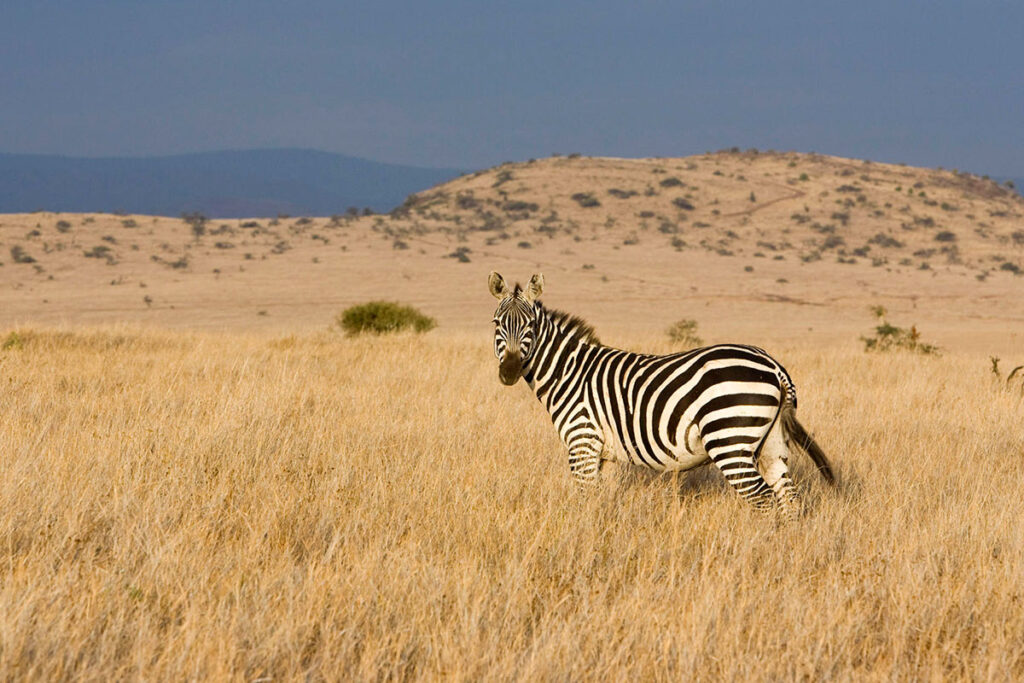
Communal conservation leads the way in Africa
Across Africa, the future of wildlife increasingly depends not on national parks, but on land managed by local communities. A new analysis from Maliasili, a Vermont-based NGO, finds that in Kenya, nearly two-thirds of large mammals live on communal or private lands, and conservancies now span 16 percent of the country—more than its protected parks. In Namibia, community-run conservancies cover a fifth of the nation and have helped triple the elephant population by connecting wildlife corridors. Fueled by ecotourism and carbon credit revenue, these grassroots models are reducing poaching, reviving predators, and proving that the best hope for conservation lies with the people who live alongside the wildlife.
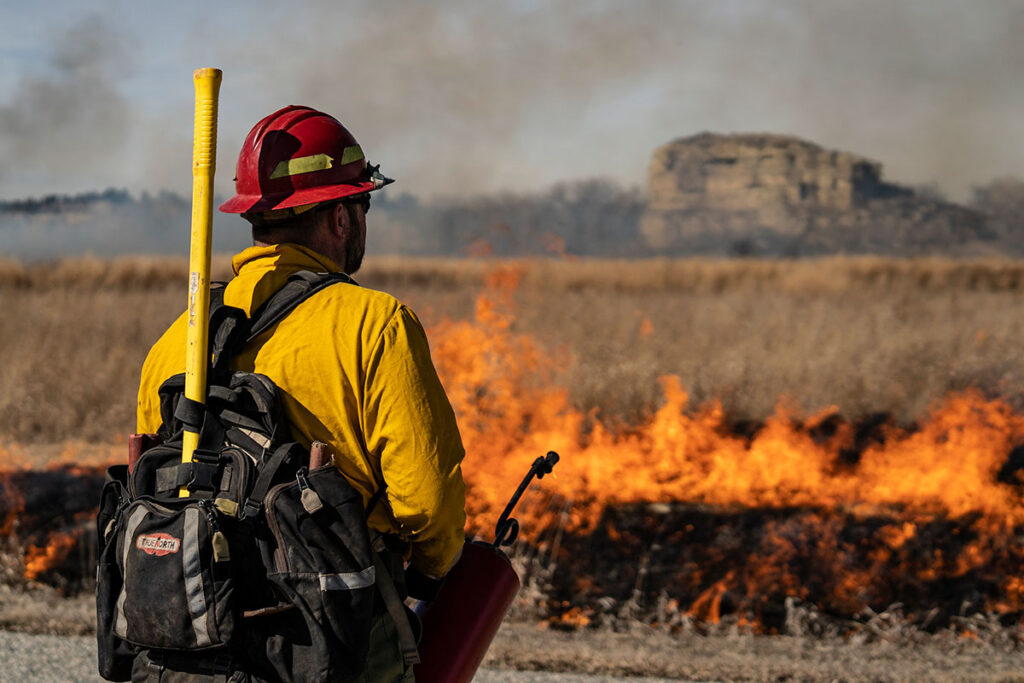
Montana’s new PERC-inspired prescribed fire law
With wildfires growing hotter, faster, and more destructive across the American West, Montana has officially signed into law a forward-looking solution: the Prescribed Fire Manager Certification and Liability Act. Championed by PERC and inspired by our “Burn Back Better” research report, the new law establishes a certification program to train and empower Montanans to use prescribed fire to restore forest health, reduce fuel buildup, and protect communities. As fire seasons intensify, the new law offers a proactive step toward restoring fire-prone landscapes.
You hiked it, now help it
A new app designed to connect hikers with local nonprofits maintaining the paths beneath their boots has launched in Colorado. By using location-based alerts, the Trailfunds platform highlights nearby stewardship efforts and offers users a simple way to donate, volunteer, or learn more, bridging a long-standing gap between trail users and trail crews. As public land agencies face mounting budget cuts, Trailfunds offers a timely, tech-powered boost to help hikers keep our trails open and accessible.